 1-800-656-4211




Blog
The Real Benefit of Black Elderberry: What the Science Says and How to Use It

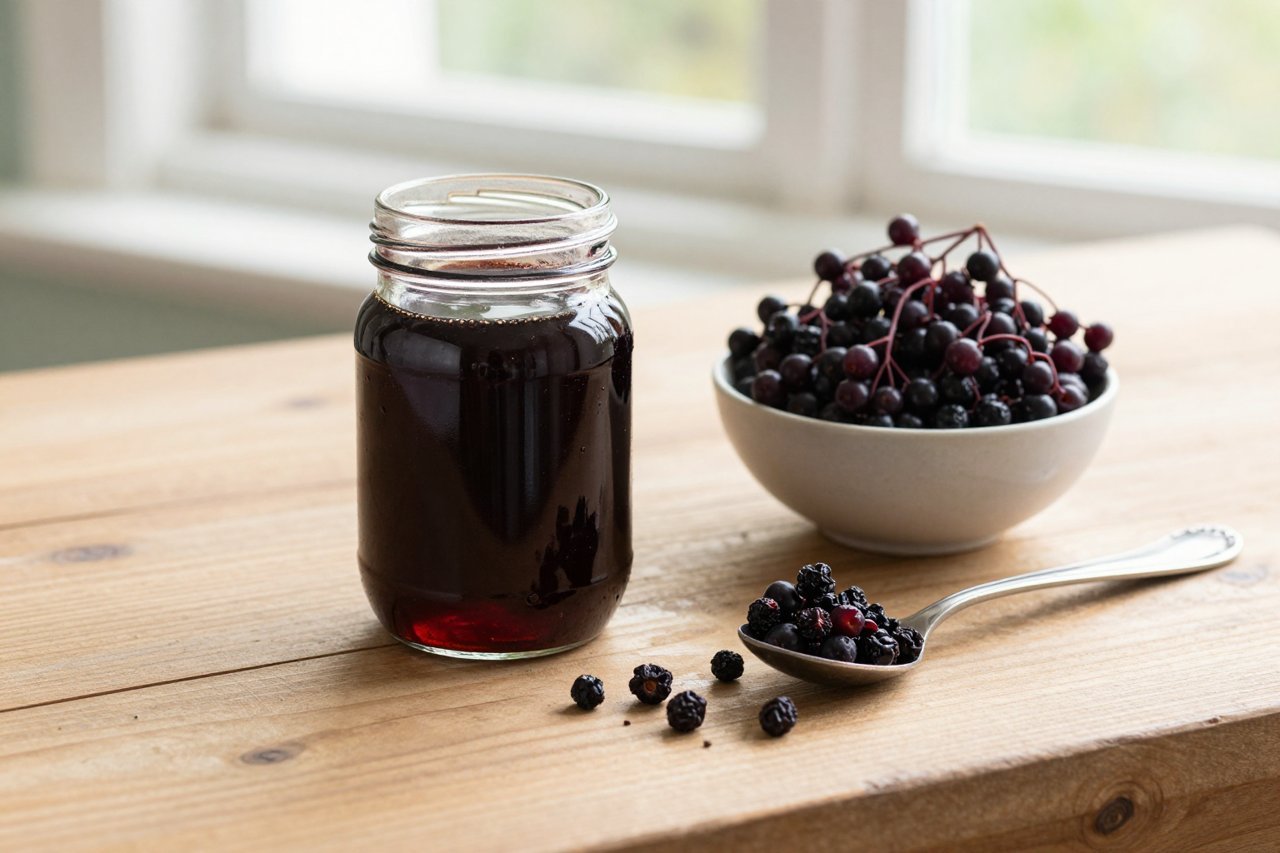
Every autumn, the hedgerows and forest edges fill with clusters of deep purple berries. For centuries, people gathered them not for jam, but for medicine. The benefit of black elderberry has been passed down through folklore, but modern research has started to catch up with what herbalists always knew. If you’ve ever stared at a bottle of elderberry syrup in the pharmacy aisle and wondered whether it actually works, this guide is for you.
What Is Black Elderberry?
Black elderberry refers to the dark berries of the Sambucus nigra plant, a shrub native to Europe, North Africa, and parts of Asia. Unlike its red-berried cousin, black elderberry has a long history as a food and traditional remedy. The berries are tart and mildly sweet once cooked, but they should never be eaten raw — they contain lectins and cyanogenic glycosides that can cause nausea and digestive distress. Heat destroys those compounds, which is why almost every traditional preparation involves simmering, steeping, or fermenting.
The berries themselves are packed with anthocyanins, the same pigments that give blueberries and blackberries their rich color. In elderberries, these compounds are especially abundant, which explains the growing interest from both researchers and supplement manufacturers.
The Most Studied Benefit of Black Elderberry: Immune Support
Ask most people why they take elderberry, and the answer will be the same: colds and flu. The research here is more extensive than for many other herbal remedies, but it’s worth looking at the numbers rather than the marketing claims.
What Clinical Trials Show
A well-cited 2016 randomized, double-blind trial published in Nutrients looked at air travelers — a group with notoriously high exposure to cold viruses. Passengers who took elderberry lozenges from 10 days before departure until several days after arrival reported significantly fewer cold episodes and shorter symptom duration than the placebo group. Specifically, those taking elderberry experienced roughly half the number of sick days.
Another review of four randomized controlled trials, published in 2021, found that elderberry supplementation reduced the duration of the common cold by an average of two to three days. But here’s the nuance: most of those studies used commercial elderberry products, not standardized extracts, and the quality varied. The evidence is promising, but it’s not a miracle cure. Elderberry appears to work best when taken at the very first sign of a scratchy throat — not after symptoms are entrenched.
How It May Work
Researchers have identified a few mechanisms that explain the benefit of black elderberry in immunity. First, the anthocyanins in the berries have been shown in lab studies to inhibit the replication of certain influenza viruses by blocking viral entry into host cells. Second, elderberry appears to stimulate the inflammatory response in a balanced way — increasing the production of cytokines that help the immune system mobilize, but not so much that it causes a dangerous “cytokine storm.”
Perhaps most interesting is the recent research into the gut-immune connection. The fiber and polyphenols in elderberries act as prebiotics, feeding beneficial gut bacteria. Since roughly 70% of the immune system resides in the gut, this may be an indirect but powerful route. If you want a deeper look at how these compounds compare to other dark berries, the science-backed guide to black elderberry benefits offers a clear overview.
Beyond the Common Cold: Other Potential Benefits
Immunity isn’t the only area where elderberry shows promise. While the research is earlier stage, several findings deserve attention.
Heart Health and Metabolic Markers
In a 2020 pilot study, adults with slightly elevated cholesterol took 400 mg of elderberry extract daily for 12 weeks. Their LDL (“bad”) cholesterol levels dropped significantly, and their HDL (“good”) cholesterol increased. The authors suggested that the anthocyanins in elderberry might inhibit cholesterol absorption in the intestines and improve how the liver processes lipids.
Another small study found that drinking elderberry juice for one week improved insulin sensitivity in people with type 2 diabetes. Again, the sample sizes were small, but the direction of the evidence is consistent. For those who want to improve their overall diet with similarly colorful berries, the practical guide to blackberries offers tips that pair well with an elderberry routine.
Antioxidant and Anti-Inflammatory Action
Elderberries contain one of the highest antioxidant capacities of any fruit tested — even higher than cranberries, blueberries, and goji berries in some assays. The ORAC value of raw elderberries is around 14,000 per 100 grams, which is substantial.
Antioxidants help neutralize free radicals that damage cells and accelerate aging. Chronic inflammation, often driven by oxidative stress, underpins many modern diseases. By providing a concentrated dose of anthocyanins, elderberry may help keep that background inflammation in check. Some evidence also suggests it can ease symptoms of arthritis, but human studies are lacking.
Whole-Berry vs. Supplement: Which Is Better?
When you walk into a health food store, the options can be overwhelming: dried berries, liquid extracts, gummies, capsules, and powders. Does the form matter? Yes, but not in the way you might think.
Traditional preparations use the whole berry, either dried and steeped as tea or cooked down into syrup. This approach preserves the natural balance of fiber and polyphenols. Juice concentrates and standardized extracts, on the other hand, pack a more potent dose of anthocyanins per gram, but they may lack the fiber and other co-factors that aid digestion and absorption.
- Dried elderberries: Best for making tea or infusing into homemade syrups. They store well and retain most of their active compounds for up to two years.
- Elderberry syrup: A traditional delivery method. Look for products with minimal added sugar, or make your own at home.
- Capsules and gummies: Convenient, but often contain standardized extracts. They’re fine for daily use, but be mindful of added sweeteners in gummies.
- Tinctures: Alcohol-based extracts that are more concentrated. A few drops under the tongue can be useful at the first sign of illness.
For most people, the best approach is to consume whole elderberries in a cooked or dried form. Not only do you get the benefit of black elderberry’s active compounds, but you also avoid the supplement industry’s inconsistent quality. If you do choose a supplement, look for one that specifies the anthocyanin content on the label rather than simply “elderberry powder.”
How to Incorporate Black Elderberry Into Your Routine
Adding elderberry to your life doesn’t require complicated rituals. Here are a few practical, evidence-aligned ways to use it:
Make a Simple Elderberry Syrup
Simmer ½ cup of dried black elderberries in 3 cups of water for 30 minutes, then strain and stir in ½ cup of raw honey. Take one tablespoon daily during cold season, or two tablespoons at the first sign of illness. The honey adds antibacterial benefits, but children under one year old should not consume honey — use maple syrup or omit the sweetener entirely.
Try Elderberry Tea
Steep a teaspoon of dried elderberries in hot water for 10 minutes for a mild, fruity infusion. It pairs well with ginger and lemon. For a deeper exploration of what current research does and doesn’t support, including how elderberries compare to other remedies, see this honest look at elderberry benefits and uses.
Incorporate It Into Baking
Dried elderberries can be soaked in water or juice and added to muffins, pancakes, or oatmeal. Their tart flavor is similar to currants. Cooking at high temperatures may degrade some heat-sensitive vitamins, but anthocyanins remain relatively stable — a 2021 study found that baking with elderberry powder retained about 70% of its antioxidant activity.
Be Mindful of Serving Sizes
Most human studies use doses equivalent to 15–30 ml of syrup daily, roughly one to two tablespoons. Higher doses haven’t been well studied, and as with all foods, it’s possible to overdo it. Stick to culinary amounts unless you’re following a specific product label.
Who Should Be Cautious?
For all its benefits, black elderberry isn’t universally appropriate. People who are immunocompromised, who have autoimmune diseases like lupus or rheumatoid arthritis, or who are taking immunosuppressant drugs should consult their healthcare provider before using elderberry as a supplement. Its immune-stimulating effects could theoretically worsen an overactive immune system.
Pregnant and nursing women should also be conservative, mainly because large doses haven’t been studied for safety in those populations. And anyone with an allergy to the elder plant family should obviously steer clear.
Finally, don’t confuse black elderberry with the raw elderberry plant. Cooking hours are essential. Store-bought syrups are already processed, but if you gather your own berries, never eat them fresh off the bush.
The benefit of black elderberry is real but often oversimplified. It’s not a cure for everything, and it won’t replace good sleep, regular exercise, and a nutrient-dense diet. But when used thoughtfully — as a whole food or a well-made extract — it offers a genuinely useful way to support your immune system, especially during the winter months. Start small, pay attention to how your body responds, and let the dark purple berry become a regular part of your kitchen rather than just a seasonal afterthought.
