 1-800-656-4211




Blog
Black Elderberry Benefits: A Science-Backed Guide to the Dark Purple Powerhouse

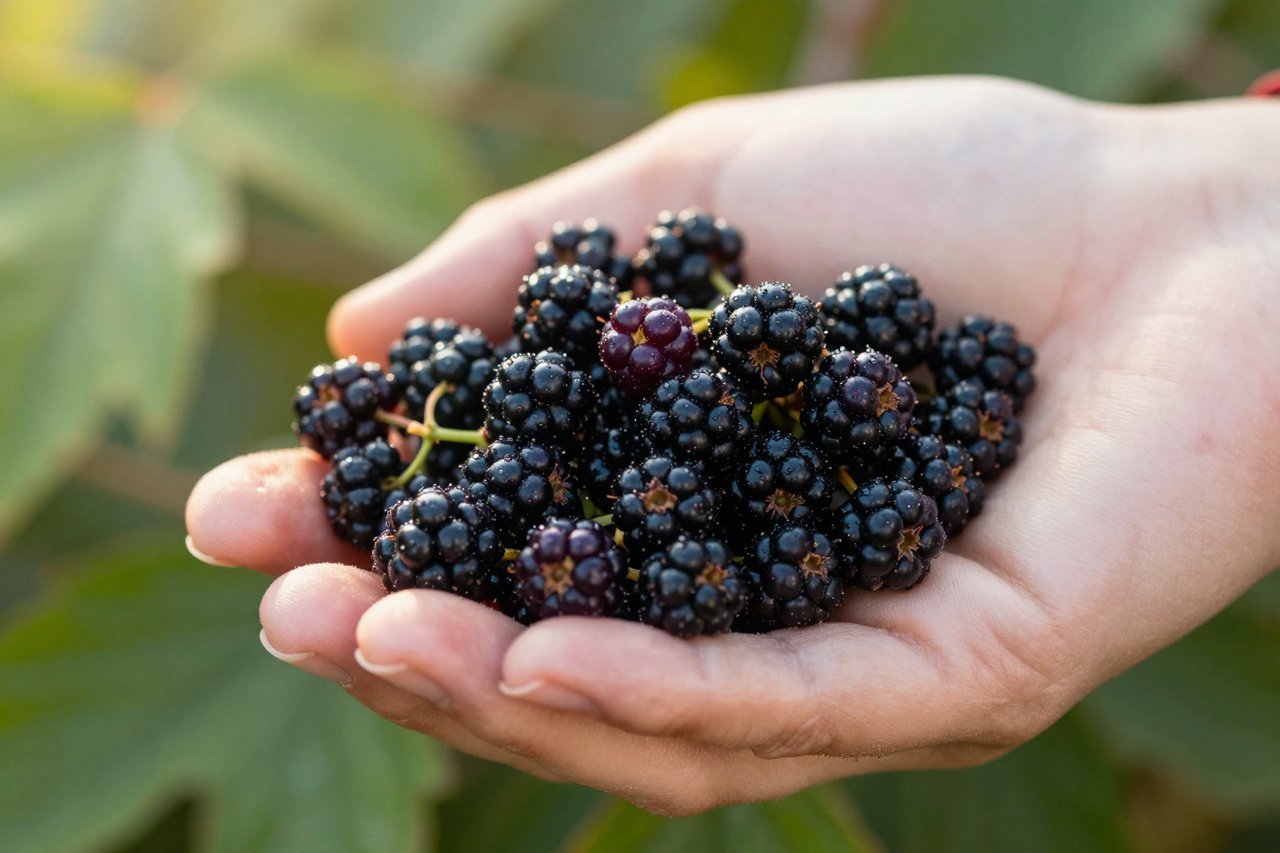
If you’ve ever picked a wild elderberry, you know the dark purple fruit stains your fingers in seconds. Black elderberry (Sambucus nigra) has been used in European herbalism for centuries, and modern research is finally catching up to what many grandmothers knew.
But not all elderberries are the same. Black elderberry is the species most commonly studied for health effects. The berries are smaller than blackberries and usually grow in clusters. The difference matters because many supplements on the market are made from black elderberry extracts, while other varieties may not offer the same benefits.
This guide breaks down the black elderberry benefits that have solid evidence behind them, explains how to use the berry safely, and points out where the science remains uncertain. If you’re looking for a larger overview of elderberry research, check out our elderberries benefits guide for a complete look at what the clinical studies show.
What Makes Black Elderberry Different?
Black elderberry thrives in Europe, North Africa, and parts of Asia. It has also naturalised in many regions. The plant produces creamy white flowers in early summer and heavy clusters of glossy, dark purple berries by late autumn. Those berries contain a complex mix of compounds called anthocyanins, which give them their deep colour and act as antioxidants in the body.
Most elderberry products sold as syrups, lozenges, and capsules use the black variety. The berries have a tart, earthy flavour that most people find too astringent to eat raw. Cooking them lightly or processing them into syrup changes the taste and makes them more palatable.
Black elderberry is not the same as blackberry, even though the names sound alike. Blackberries belong to the Rubus family and grow on thorny bushes. If you want to learn more about that fruit’s nutritional profile, our health benefits of blackberries guide covers its unique properties. For now, stick with the elder relative.
Black Elderberry Benefits Backed by Research
Here’s the short version: the strongest evidence for black elderberry benefits points to immune support during cold and flu season. Other potential benefits involve antioxidant protection, heart health, and skin aging. Let’s walk through each one in detail.
1. Immune Support and Shorter Cold Symptoms
Several clinical trials have looked at whether black elderberry extract can reduce the duration and severity of upper respiratory infections. One often-cited study from 2016 found that travelers taking elderberry capsules had significantly shorter cold episodes after air travel, with symptoms lasting an average of two fewer days compared to placebo.
A 2019 review in the Journal of Functional Foods pooled data from four randomized controlled trials. The authors concluded that supplementation with black elderberry reduced total cold duration by about 1.3 days and lessened symptom intensity, especially when taken in the first 48 hours of illness.
The proposed mechanism involves the anthocyanins interfering with viruses’ ability to invade healthy cells. Some lab studies show that elderberry extracts neutralise influenza viruses, though those results do not always translate to humans. Still, the clinical evidence is promising enough that many practitioners recommend black elderberry at the first sign of a scratchy throat.
2. Antioxidant Load and Inflammatory Response
Black elderberry is packed with polyphenols, particularly cyanidin-3-glucoside. These compounds neutralise free radicals and reduce oxidative stress, which is linked to a host of chronic diseases. A study published in the Journal of Medicinal Food found that black elderberry juice doubled participants’ urinary antioxidant output within just one hour of consumption.
Antioxidants also dampen inflammation. A 2017 trial gave black elderberry extract to players after intense exercise and saw lower markers of muscle damage and inflammation. This effect may help not only athletes but anyone recovering from physical stress.
3. Heart Health and Lipid Metabolism
Rodent studies show that black elderberry extracts can reduce total cholesterol and triglycerides in animals fed a high-fat diet. Human research is thinner but still interesting. One small crossover trial had participants drink 600 ml of elderberry juice daily for two weeks. Their LDL cholesterol fell by 9%, and their HDL cholesterol climbed slightly.
Part of this may be due to anthocyanins, which increase bile acid secretion and help the body clear cholesterol. In cell cultures, elderberry extracts also relax blood vessel walls, which could explain its traditional use for blood pressure support. Do not use it as a substitute for prescribed medication, but these findings explain why the berry keeps showing up in cardioprotective studies.
4. Skin Protection and Collagen Support
Topical application and oral intake of black elderberry might support skin elasticity. The berry’s vitamin C content, along with its anthocyanins, provides building blocks for collagen synthesis. A small human study reported that combined topical and oral application of a black elderberry extract increased skin hydration and smoothness after just two weeks.
A high percentage of the berry’s solids are fibre, which also benefits gut bacteria that influence skin health. While more studies are needed, this aligns with the broader idea that antioxidants from deep-coloured fruits help maintain youthful skin.
How to Use Black Elderberry Safely
Buying plain dried berries from a herbal shop is not the same as taking a standardised extract. The active compounds vary widely by plant, region, and harvest time. For consistent results, look for a product that states the amount of anthocyanins per serving on the label. European elderberry extract is often standardised to 3-4% anthocyanins.
Common forms:
- Syrup: Usually mixed with honey or glycerin. For adults, the standard dose is 1-2 tablespoons once or twice daily during illness, and half that during cold season as a preventive.
- Capsules or gummies: These are extracted powders. A typical capsule contains 500-1,000 mg of juice powder. Check the label for a concentration factor.
- Lozenges: Useful for throat pain. Look for at least 2 mg of anthocyanins per lozenge.
- Loose dried berries: Use these to make tea or cook into sauces, but be careful to simmer or freeze them. Flavour compounds in raw berries can cause mild digestive upset.
Always begin with the smallest dose to gauge your reaction. Some people feel a mild laxative effect when starting, which typically passes after a few days.
Potential Side Effects and Precautions
Raw black elderberries contain cyanogenic glycosides, compounds that can release cyanide when the berries are eaten fresh or unripe. Commercial berries are usually rendered safe by heating or drying, but eating large quantities of raw seeds or leaves is dangerous. Do not eat any part of the elder plant other than ripe, cooked berries. Cooking at a gentle simmer for at least 10 minutes neutralises those compounds.
Children under five years old, pregnant women, and people with autoimmune conditions all have less safety data available on black elderberry supplements. Some practitioners caution against its immune-stimulating effects in autoimmune patients, though the evidence remains incomplete. If you fall into one of these groups, talk to a healthcare provider before taking a concentrated product.
Black elderberry also interacts with certain diuretics, laxatives, and chemotherapy drugs. The berry’s natural sugar content may affect blood sugar control, though extracts generally have little impact.
Black Elderberry Benefits for Daily Wellness
Beyond the research numbers, including black elderberry in your routine is relatively easy. You can make a simple infusion from one part dried elderberries and four parts water. Simmer for twenty minutes, strain, and add lemon juice and honey. That mixture stays fresh in the fridge for about a week and can be taken as a daily tonic in small amounts.
The evidence suggests that the most reliable benefits appear when you take the syrup consistently for several weeks before cold season, not just at the first sign of a sniffle. For illness, starting within 48 hours of symptoms seems to produce the best results.
One myth to avoid is the idea that more is better. Doubling the dose will not double the antiviral effect. It will likely just cause loose stools. The literature points to a dose-response plateau at about 100-300 mg of anthocyanins per day, which is easily reached with a standard tablespoon of peak-season syrup.
Black elderberry is a useful tool in a wellness routine that also includes sleep, hydration, and handwashing. Its stains on your fingers will fade within a day, but the potential immune support lasts longer when you choose the right preparation and stick with it.
