 1-800-656-4211




Blog
The Benefits of the Blueberry: What a Handful a Day Can Do

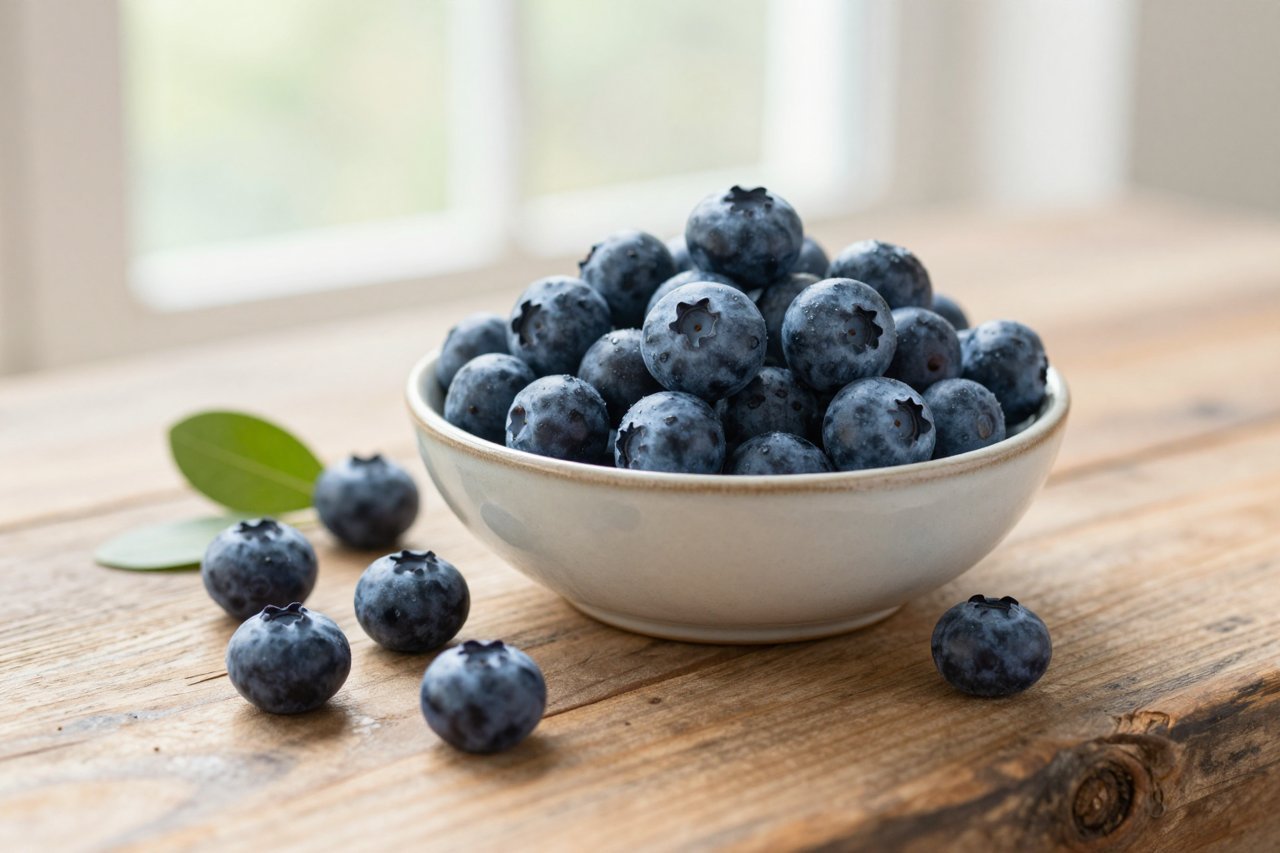
There’s a simple test I use to decide whether a fruit is worth keeping in the fridge: would I eat it before it goes bad? Blueberries are one of the few things that barely get the chance to sit there. A pint of fresh ones disappears fast in my house, either by the handful, thrown into pancakes, or stirred into plain yogurt at breakfast. But it turns out that those tiny blue orbs are doing something much more interesting than satisfying my sugar cravings. The benefits of the blueberry reach deep into your body’s day-to-day operations, from how well you think to how well your blood flows. Here’s what the research actually shows.
I’m not talking about a magic cure pill. Blueberries are just fruit. But they happen to be one of the highest sources of antioxidants among common foods, and their effect on health seems to go far beyond their humble calories.
Why Blueberries Punch Above Their Weight
Most of the health attention around blueberries lands on one ingredient: anthocyanins. These natural pigments are what turn ripe blueberries that deep indigo-blue. In the wild, the plant produces these compounds to protect itself from sun damage, insects, and disease. When you eat them, your body puts those same nutrients to use fighting its own cellular stress.
Compared to other fruits, blueberries are measured in antioxidant capacity tests. On the ORAC scale, which measures how well a food neutralises free radicals, cultivated blueberries score moderately, but wild blueberries score more than double that. Wild berries are what you’ll find in frozen bags labelled ‘wild blueberries’—they’re smaller, more tart, and packed with more intensely coloured skin per gram. If you want to see the complete nutritional breakdown, this detailed guide to the mighty blueberry and its nutrition benefits goes through every important vitamin and mineral.
Blueberries Support Memory and Focus as You Age
It may sound surprising, but one of the strongest research areas for blueberries is the brain. A key study followed over 16,000 women and found that those who ate at least one serving of blueberries or strawberries a week experienced slower cognitive ageing by about two and a half years. That might not sound huge, but in terms of memory decline over time, it’s quite meaningful.
Smaller intervention studies have found similar results. In one trial, people with early memory complaints drank wild-blueberry juice every day for 12 weeks. Their paired-associate learning—a test of memory recall—improved noticeably compared to a placebo group. The leading theory is that anthocyanins cross the blood-brain barrier and lower inflammation inside the hippocampus, a region that shrinks with age. The better news is that these effects don’t require a concentrated supplement. A cup of blueberries a few times a week appears to be enough. For a deeper look at how these results fit together, check out this science-backed summary of blueberry benefits for heart health and brain power.
Blueberries Are Quietly Good for Your Circulation
Your blood vessels are like water pipes. They need to expand and relax in response to changing pressure. Blueberries appear to help. In a randomised controlled trial published in 2019, volunteers who ate frozen blueberries equivalent to about one cup a day had improved function in their brachial artery after only four weeks. That artery stiffness is a predictor of cardiovascular disease.
Part of this comes from anthocyanins triggering the release of nitric oxide, which tells the muscles around the artery to relax. In addition, blueberries are a moderate source of fibre, helping lower LDL cholesterol. They also deliver vitamin K, which is important for blood vessel repair. These effects might sound incremental, but over decades small improvements compound. If you’re curious about the full spectrum of conditions this fruit may touch, this list of 15 health benefits and uses of blueberries is a handy reference.
Even With Their Sweetness, Blueberries Can Help With Blood Sugar
Blueberries are naturally sweet, but they have a relatively low glycaemic index of about 53, which places them in the moderate range. The fibre slows sugar absorption, and the anthocyanins appear to increase insulin sensitivity. In one study of overweight adults with insulin resistance, eating two smoothies each day with 22 grams of freeze-dried blueberry powder for six weeks improved their insulin sensitivity by up to 12%.
Those numbers matter, but the practical point is less complicated: blueberries are one of the most dessert-like things you can eat without pushing your blood sugar into uncomfortable territory. That makes them a smart swap when the after-lunch sugar craving arrives.
Your Gut Bacteria Might Be as Grateful as Your Mouth
When you eat blueberries, a large portion of the polyphenols isn’t absorbed in your stomach or small intestine. It travels down to your colon, where your resident gut bacteria break it into smaller metabolites. In return, it seems to encourage a healthy environment for beneficial bacteria like Bifidobacterium, while making the environment less hospitable for some troublesome ones.
Your gut is connected to nearly every other system in your body, so keeping it balanced pays off far beyond digestion. This is one of the more active areas of berry research, and it’s a reminder that fibre is never just about regularity.
Everyday Ways to Eat More Blueberries
If you want to feel these advantages consistently, the bar isn’t actually all that high: a handful a day (about 80 to 100 grams) is a realistic target. The hard part isn’t eating them; it’s remembering not to hoard them all for a single smoothie.
- Keep a bag of frozen wild blueberries in the freezer for a 30-second fruit sauce: heat them for a minute and drizzle over porridge or ice cream.
- Drop a handful into a glass of cold water with mint or basil for a drink that looks as good as it tastes.
- Fold them into pancake or muffin batter at the last second so they burst as they cook.
- Wash fresh blueberries only when you’re about to eat them; excess moisture makes them turn mouldy fast.
- Pulse them in a food processor with a little lemon juice and maple syrup for a homemade jelly that doesn’t need added pectin.
I keep a bag of frozen wild blueberries in my freezer specifically for cereal or smoothies. But I also leave a bowl of fresh ones on the counter, even though they tend to get eaten while I’m preparing dinner. That isn’t a mistake. Since blueberries work slowly through your body’s systems rather than producing a single immediate effect, the benefits depend on making it a routine. And if you want to switch things up, the health benefits of blackberries come with a completely different set of plant compounds worth exploring. Either way, you’re doing your future self a favour.
