 1-800-656-4211




Blog
Health Benefits of Blackberries: A Practical, Science-Backed Guide

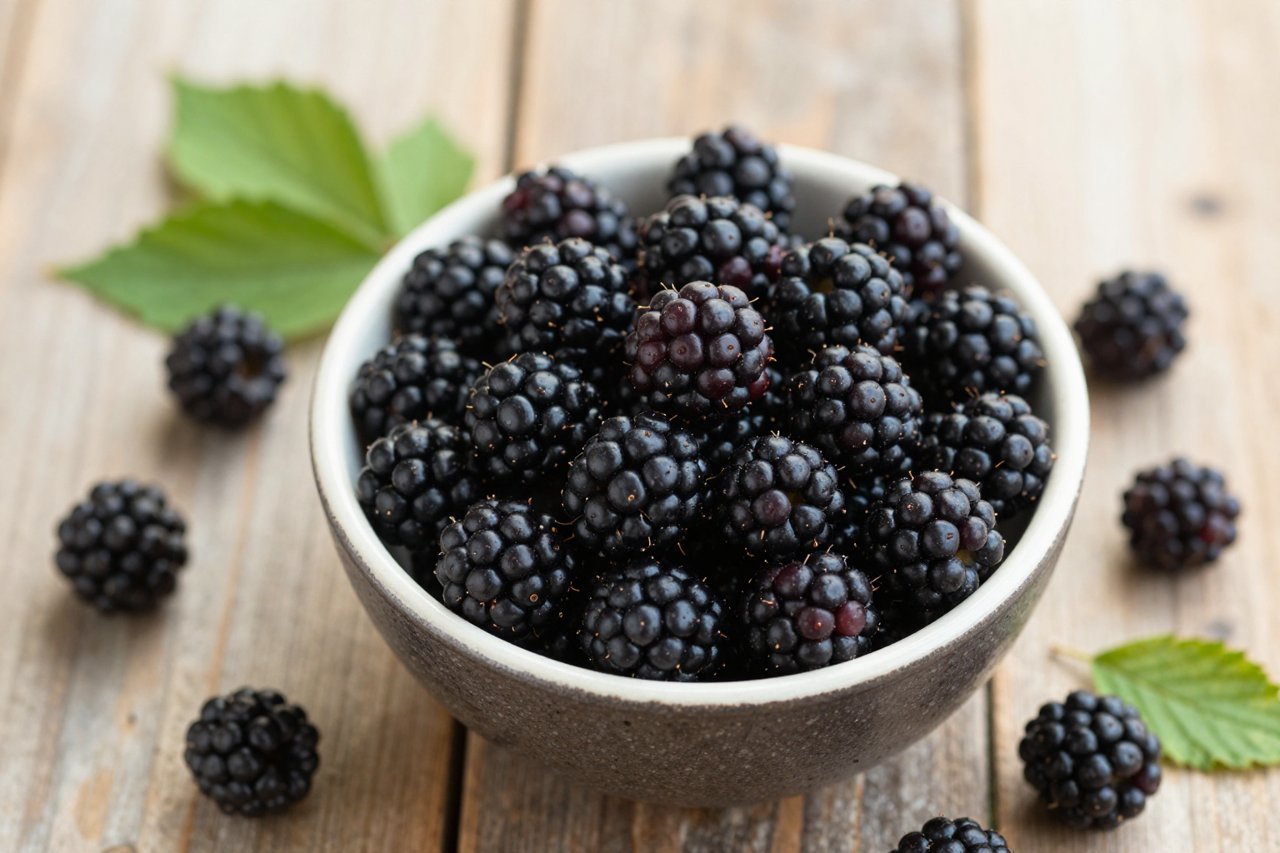
Walk past blackberries in the supermarket and they don’t scream superfood. They sit quietly in their punnet, dark and easily bruised. But beneath that inky exterior is one of the most nutrient-packed fruits you can buy. A single cup of raw blackberries has about 62 calories and close to 8 grams of fibre. It also provides around 30 milligrams of vitamin C, a quarter of your daily vitamin K, and a dense supply of anthocyanins. The health benefits of blackberries aren’t a passing food trend. They show up in blood sugar control, blood vessel flexibility and the health of your gut bacteria.
Why Blackberries Deserve a Seat Beside Blueberries
Blueberries get most of the antioxidant attention. That’s not a bad thing, since they’ve earned it. But blackberries should be standing right next to the mighty blueberry, not behind it. Their total phenolic content is comparable, and their fibre content is higher. A cup of blackberries contains about 7.6 grams of fibre, while a cup of blueberries has roughly 4 grams.
Blackberries also hold a few nutrients that other popular berries don’t give you in the same amount. The 30 milligrams of vitamin C in a cup supports collagen formation and immune cell activity. Then there’s manganese. One cup delivers close to 0.9 milligrams, which is just under half of the recommended daily value. Manganese plays a small but essential role in the antioxidant enzyme superoxide dismutase, the compound that protects mitochondria from oxidative damage.
Dark Colour Means High Anthocyanin Content
The near black colour of a ripe blackberry comes from anthocyanins, specifically one called cyanidin-3-glucoside. When you eat blackberries, anthocyanins don’t just travel through your system as inert pigments. They are absorbed in the upper digestive tract and can be measured in the bloodstream within an hour. Once there, they support the body’s own antioxidant defences and help calm inflammatory signals. Blackberries are not a chemical fairy tale. They are simply a whole food that supplies high volumes of polyphenols.
Eat the Whole Berry Rather Than the Extract
Blackberry capsules and concentrated powders are convenient, but whole fruit gives you more than a single extract. The fibre slows digestion, the vitamin C helps recycle antioxidants, and the berries’ natural polyphenols interact with your gut bacteria. If you want the benefits of blackberries, fresh or frozen berries will almost always be more useful than a supplement.
Elderberries are often held up as the cold-season immune berry because their anthocyanin concentration is so high. That same anthocyanin chemistry exists in blackberries, minus the need to make syrup or dry them into capsules. The elderberry benefits seen in research point to a wider pattern: these dark pigments help the body manage oxidative stress.
Blackberries Are an Unusually Smart Choice for Blood Sugar
They taste sweet, no argument there. But a cup of blackberries contains only about 7 grams of naturally occurring sugar. For comparison, a medium banana pushes 14 grams and a cup of grapes about 23 grams. Combined with 7.6 grams of fibre, blackberries sit very low on the glycemic index scale. The GI is around 25, which puts them in the low range compared with most fruit. The fibre slows the release of sugar into the bloodstream and softens the post-meal glucose spike. If you’re managing prediabetes or Type 2 diabetes, blackberries are one of the fruit choices you don’t have to weigh nervously.
The Heart Benefit Hidden in Their Dark Pigment
The cells lining every artery are remarkably sensitive to diet. When they are healthy, they release nitric oxide, a chemical that relaxes the vessel wall. Anthocyanin-rich foods have a measurable effect on this process. Blackberries make blood vessels more flexible in tests of people with metabolic risk, and researchers see improvement in flow-mediated dilation after regular servings of dark berries.
The most famous examples come from the cherry aisle. Athletes drink tart cherry juice for recovery, and clinical work has linked cherries to lower inflammation and lower uric acid. That may seem like a side note, but the science behind cherries as a functional fruit relies on the same pigments that colour blackberries. When blackberries are tested directly, they show similar vascular effects because the active molecules are almost identical. Potassium makes a small extra contribution: roughly 230 milligrams per cup supports a blood-pressure-friendly eating pattern.
Eight Grams of Fibre? That’s a Quarter of Your Daily Target
Maybe the unsung hero in blackberries is their fibre. Most adults need 28 to 34 grams per day, yet average intake sits closer to 15 or 16 grams. A single cup of blackberries covers around a quarter of your daily target, and it’s one of the easiest ways to get there at breakfast.
Blackberry fibre feeds the beneficial microbes in your colon. In particular, soluble pectin is fermented into short-chain fatty acids such as butyrate. Butyrate is the preferred fuel for colon cells and helps strengthen the gut barrier. That supports healthy digestion and immune signalling. If you tend to feel sluggish or constipated, swapping a pastry for a cup of blackberries is a practical change.
Can Blackberries Keep Your Memory Sharp Longer?
Brain research is complicated, and no single food can prevent dementia. But the long view on berries is encouraging. A well-known Harvard study following older women for many years found that those who ate berries at least once a week showed slower cognitive ageing, equivalent to a memory age roughly 2.5 years younger. The study focused on blueberries and strawberries, not blackberries. Yet blackberries share the same anthocyanin family, and the effect is likely driven by that shared chemistry.
A serving of blackberries also supplies vitamin K, about a quarter of the daily value. Vitamin K is best known for blood clotting, but it also activates proteins that keep calcium in bones and out of artery walls. If you take warfarin or another blood thinner, keep your intake consistent and check with your doctor before making big changes to berry-heavy eating.
Practical Ways to Eat More Blackberries Without Reaching for Sugar
Fresh blackberries are delicate. They soften within two days if they sit in a deep container. Keep them unwashed, cold and spread out on a paper-towel-lined tray. Pick out any bruised berries so they don’t affect the rest, and don’t wash them until just before you use them.
There is no need to turn every punnet into jam loaded with refined sugar. Some of the best ways to use blackberries are savoury, simple and fast:
- Drop a handful into plain Greek yogurt with cinnamon and chopped pecans.
- Spoon them over cottage cheese for a sweet-savoury breakfast.
- Blend them with spinach, unsweetened almond milk and a spoonful of peanut butter.
- Mash blackberries with lemon juice and chia seeds for a no-cook jam that thickens in minutes.
- Add them to a kale salad with goat cheese and toasted walnuts.
If you’re making a smoothie and usually add banana for creaminess, take a look at the surprising research on bananas in smoothies first. Bananas may dampen the polyphenol activity of berry drinks, which means you could be cancelling out some of the very compounds that made you choose blackberries.
Blackberries also freeze beautifully. Rinse them, dry them on a clean tea towel and lay them in a single layer on a baking sheet. Once frozen, tip them into a bag. They will keep for months and retain their colour well for winter smoothies. In season, buy one punnet for the table and one for the freezer. You will get the same nutritional benefits of blackberries when the fresh berries are no longer around.
