 1-800-656-4211


Blog
Quercetin Benefits: What the Research Really Shows, and How to Use It

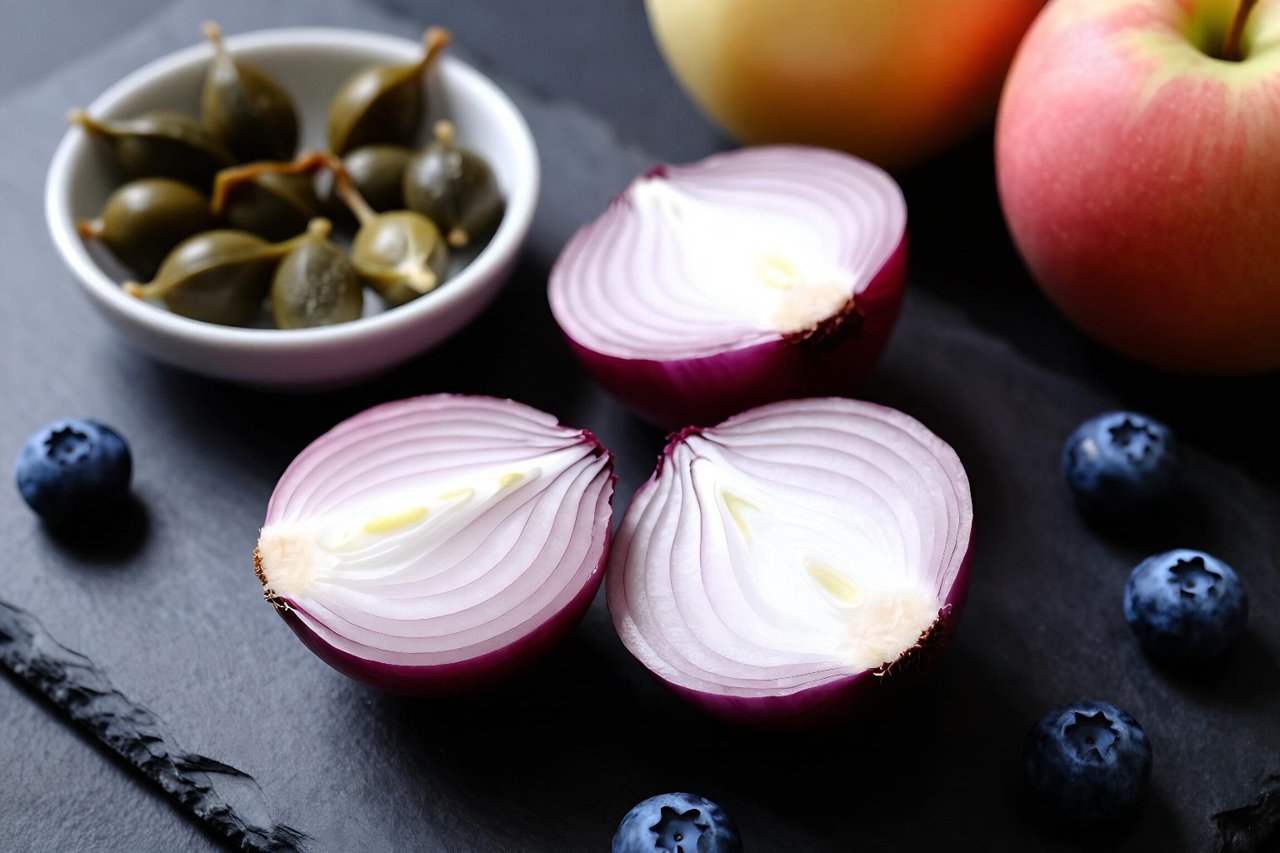
Capers, red onions, apples, green tea, red wine. That list has almost nothing in common except one compound: quercetin, a plant pigment studied for allergies, blood pressure, blood sugar and, more recently, cellular ageing. Search for it and you will find everything from careful clinical trials to breathless claims about slowing the clock.
The reality sits in the middle. Quercetin has some genuinely solid human data behind it, a few areas where the evidence is thin, and one practical problem most articles skip: your body is not very good at absorbing it. Here is what the research actually shows.
What Quercetin Actually Is
Quercetin is a flavonol, part of the same broad family as the compounds in dark chocolate and citrus peel. Plants make it as a defence against UV damage and fungal infection, which is why it concentrates in the outer layers of fruit and in leaves.
Your body cannot produce it, so everything you get comes from food or a capsule. A typical Western diet supplies roughly 10 to 25 mg a day. Most clinical trials use 500 to 1,000 mg. When food studies and supplement studies seem to disagree, that 50-fold gap is usually why.
Allergies and Histamine: The Strongest Case
If quercetin has a headline benefit, this is it. It stabilises mast cells, the immune cells that release histamine when pollen, dust or pet dander shows up. Lab work also shows it dampens other inflammatory messengers such as leukotrienes.
What the human trials suggest
Trial data is smaller but points the same direction. Studies using 500 to 1,000 mg daily in people with seasonal allergic rhinitis generally report less sneezing, reduced nasal congestion and calmer eyes. Most run only a few weeks with modest sample sizes, so treat the effect as helpful rather than dramatic.
Timing matters more than dose
Because quercetin works upstream of histamine release rather than blocking receptors afterwards, it makes more sense as a preventive. Starting two to four weeks before your allergy season tends to help more than reaching for it on the worst day of the year.
It will not replace a nasal steroid spray or a prescription antihistamine if your symptoms are severe. Think of it as background support that might let you lean less on the heavy stuff.
Blood Pressure and Blood Vessel Health
A meta-analysis of seven randomised trials found quercetin lowered systolic blood pressure by roughly 3 mmHg, with doses generally above 500 mg a day. Three points will not take anyone off medication, but across a population it is a similar order of magnitude to cutting back on salt.
The mechanism is reasonably well understood. Quercetin improves nitric oxide availability, which helps blood vessels relax, and it reduces oxidation of LDL cholesterol, the step that makes cholesterol particles more likely to lodge in artery walls.
Blood Sugar and Metabolic Health
Small trials in people with type 2 diabetes, and a few in women with polycystic ovary syndrome, have reported lower fasting glucose after supplementation. Quercetin appears to slow carbohydrate breakdown in the gut and improve insulin sensitivity in muscle tissue.
These are single-digit improvements in blood glucose and small shifts in HbA1c. Useful alongside a decent diet, not a substitute for metformin.
The Senolytic Angle
This is where quercetin picked up its recent buzz. Researchers at the Mayo Clinic found a combination of quercetin and dasatinib cleared senescent cells, the worn-out cells that accumulate with age and pump out inflammatory signals. In mice, that combination improved measures of healthspan.
Two cautions. Dasatinib is a prescription chemotherapy drug with serious side effects, so the protocol is not something to try at home. Quercetin on its own has not reliably replicated those results in humans, and early trial results are mixed.
Immune Support and Antiviral Research
Quercetin shows antiviral activity against influenza and coronaviruses in laboratory dishes, and it acts as a zinc ionophore, helping shuttle zinc into cells where zinc interferes with viral replication. That mechanism drew a lot of attention in 2020. What is still missing is solid human trial evidence that it prevents or shortens respiratory infections.
For immune support with better human data behind it, elderberry is the more studied option, and you can read what the science really says about elderberries and how to use them before deciding which one earns a spot in your cupboard.
Why Absorption Is the Real Bottleneck
Free quercetin is poorly absorbed. Your gut and liver conjugate most of an oral dose into other molecules, so only a fraction circulates as active quercetin. Eating it with fat helps, and splitting the dose across the day beats one large hit.
Supplement form matters a great deal. Quercetin dihydrate is cheap and standard. Quercetin phytosome, bound to sunflower lecithin, is marketed as absorbing several times better, and the studies behind that claim are reasonably convincing. Bromelain, an enzyme from pineapple, is often paired with it and may improve uptake. If you want a fuller breakdown of forms and dosing schedules, this guide to what quercetin supplements actually do and who should take them goes deeper.
Food Sources Worth Prioritising
Dietary quercetin will not match a 1,000 mg capsule, but it arrives packaged with fibre, vitamin C and hundreds of other polyphenols that work together. The best sources:
- Red onions: the highest everyday source, roughly 20 to 50 mg per 100 g. Outer rings hold more than the core, so peel conservatively.
- Capers: about 180 mg per 100 g, making them the richest common food. A tablespoon on a salad is a real contribution.
- Apples: keep the skin on, since most of the quercetin sits right under it.
- Berries: blueberries, cranberries and blackcurrants all contribute. Sea buckthorn is another standout, and its benefits for skin, heart and immune health stretch well beyond quercetin.
- Tea, buckwheat, kale, broccoli, tomatoes: smaller amounts that add up over a day.
- Goji berries: a solid source of quercetin alongside zeaxanthin, and there is real nutrition science behind goji berry benefits if you want to use them more often.
Pairing these with a high-vitamin-C fruit helps, since vitamin C and quercetin protect each other from oxidation. Acerola is one of the densest natural sources of vitamin C, and acerola berries deliver far more of it than an orange does, which makes them a smart partner for a quercetin-rich meal.
Getting the Dose Right in Practice
If you decide to supplement, most research sits in the 500 to 1,000 mg range per day, usually split into two doses with meals that contain some fat. Allergy support often starts at 500 mg twice daily. Blood pressure and metabolic studies have used anywhere from 150 mg to 1,000 mg.
Side effects are uncommon at these doses. Some people report headaches, tingling in the hands or mild stomach upset. Very high intravenous doses have been linked to kidney problems, which is not a concern with normal oral use.
Interactions deserve a conversation with your doctor or pharmacist, particularly if you take warfarin or another blood thinner, certain antibiotics, cyclosporine or chemotherapy drugs. Quercetin affects the same liver enzymes that process many medications, so it can change how quickly they clear.
Buy from a brand that names the form on the label, whether that is dihydrate or phytosome, because the price gap reflects a real difference in how much you actually absorb. And give it four to six weeks before judging whether it is doing anything. Plant compounds tend to work slowly, if they work at all.
