 1-800-656-4211




Blog
Pre Workout Supplements: What Actually Works (And What’s Hype)

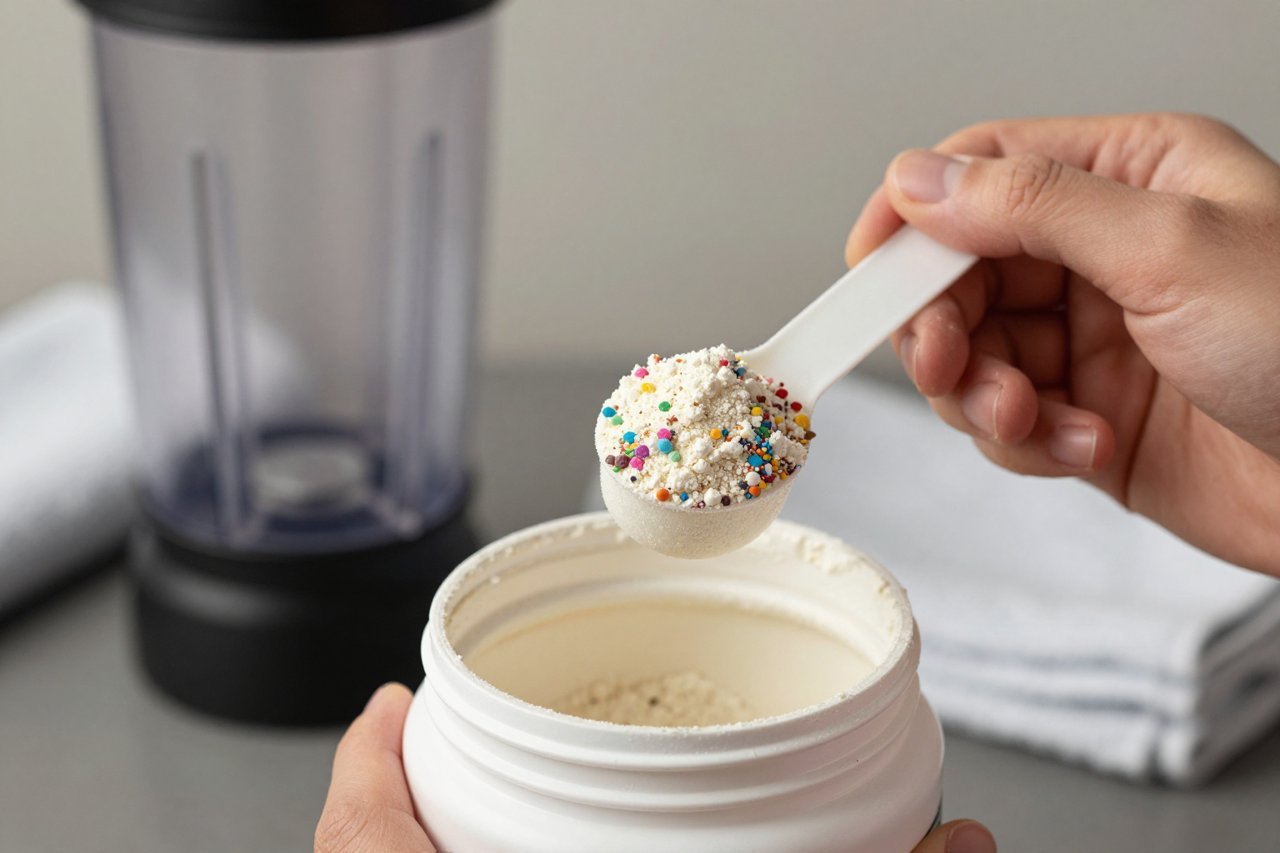
You’ve seen the tubs: bright neon powders with names that sound like heavy metal bands. The guy at the gym tells you he can’t lift without it. Your friend says it makes her heart race in a bad way. So what’s the real story on pre workout supplements? Let’s break down the ingredients, the timing, the stomach issues, and how to pick a product that won’t leave you crashing on the bench.
What Exactly Is a Pre Workout Supplement?
A pre workout is a multi-ingredient formula designed to be taken 15 to 30 minutes before exercise. Most contain a mix of stimulants, amino acids, and compounds that claim to boost energy, focus, and blood flow. Some are excellent. Many are overpriced candy powder.
The key is understanding what’s inside. If you can read a label and know why each ingredient is there, you’re already ahead of most people in the gym.
The Ingredients That Actually Do Something
Not all pre workout ingredients are created equal. Here are the ones with solid research behind them.
Caffeine
Caffeine is the backbone of almost every pre workout. It blocks adenosine receptors in the brain, which keeps you feeling alert and reduces perceived effort. Studies show that a dose of 3 to 6 mg per kilogram of body weight can improve endurance, strength, and power output. For a 70 kg person, that’s 210 to 420 mg. That’s roughly two to four cups of strong coffee. Start on the lower end if you’re not used to it.
Beta-Alanine
That tingling sensation you feel after taking a pre workout? That’s beta-alanine. It buffers acid in your muscles during high-intensity exercise, delaying fatigue. It works best when taken daily over weeks, not just before a session. The typical dose is 3 to 5 grams. The tingling, called paresthesia, is harmless but can be surprising. If it bothers you, split the dose or choose a lower amount.
Citrulline Malate
Citrulline is an amino acid that boosts nitric oxide production, which relaxes blood vessels and improves blood flow. That translates to better pumps and potentially more oxygen delivery to working muscles. Research suggests that 6 to 8 grams of citrulline malate is the effective dose. Many products include it, but often at half that amount. Check the label carefully.
Creatine
Creatine monohydrate is one of the most studied supplements in sports nutrition. It helps regenerate ATP, the energy currency of your cells, during short bursts of intense activity. Some pre workouts include 3 to 5 grams, which is a fine daily dose. If you’re getting creatine from your pre workout, you don’t need to take it separately.
Timing Matters: When Should You Take It?
The standard advice is to take your pre workout 20 to 30 minutes before you start training. That gives the caffeine and other compounds time to peak in your bloodstream. But there’s a catch: if you’re training first thing in the morning on an empty stomach, the effects might hit harder, and not always in a good way. Some people feel nauseous. Others get a crash after.
A better approach is to eat a small meal or snack 60 to 90 minutes before taking your pre workout. That could be a banana with peanut butter or a slice of toast. It stabilises blood sugar and helps your body absorb the ingredients without overwhelming your gut. Then take your pre workout closer to the session.
Why Pre Workout Can Make Your Stomach Churn
If you’ve ever felt a sudden cramp or urgent need to visit the bathroom after a scoop of powder, you’re not alone. Many pre workout formulas contain artificial sweeteners, food dyes, and megadoses of B vitamins that can irritate your digestive system. The high caffeine content also speeds up intestinal motility, which is a polite way of saying it makes you poop.
Your gut microbiome also plays a role in how you metabolise these compounds. If your digestion is already off, a strong pre workout can make things worse. That’s why some athletes take a daily probiotic to keep things running smoothly. If you’re dealing with that problem, a science-backed guide to choosing the right strains might help you understand how gut health ties into everything else.
How to Choose a Pre Workout Without Getting Fooled
The supplement market is full of proprietary blends that hide exact doses. That’s a red flag. If you can’t tell how much caffeine or citrulline you’re getting, you’re flying blind. Here’s what to look for:
- Full disclosure of every ingredient and dose on the label
- Caffeine between 100 mg and 300 mg per scoop
- At least 3 grams of beta-alanine if it’s included
- At least 6 grams of citrulline malate, not just citrulline
- No artificial dyes (you don’t need electric blue powder)
- Third-party testing seals like NSF or Informed Sport
If a product doesn’t list exact amounts, put it back on the shelf. You’re better off buying individual ingredients and mixing your own.
Whole-Food Alternatives That Work
You don’t always need a tub of powder. A piece of fruit 30 minutes before training can give you quick carbs and a bit of natural caffeine if you choose the right one. Dragon fruit, for example, is rich in magnesium and antioxidants, and its natural sugars provide fast energy without the insane spike. The 13 dragon fruit benefits doctors won’t tell you include a surprisingly decent pre workout profile.
Another simple option is a strong cup of coffee with a banana. That gives you caffeine, potassium, and carbs. It’s cheap, effective, and easy on the stomach. Many elite lifters skip the flashy powders and stick to this combo.
Adaptogens and Herbal Boosters: Worth Trying?
Some manufacturers add exotic herbs like ashwagandha, rhodiola, or pine pollen to their formulas. These compounds have been used in traditional medicine for centuries, but the evidence for their performance-enhancing effects is mixed at best. Pine pollen, for instance, gets marketed as a natural testosterone booster, but human studies are scarce. If you’re curious about what the 10 pine pollen benefits and uses actually are, go into it with a skeptical mind. Adaptogens might help with recovery or stress, but they won’t replace the core ingredients that have proven benefits.
If you want to try an adaptogen, do it on a day you’re not testing a new pre workout. Introducing too many variables at once makes it impossible to tell what’s working and what’s not.
The Smartest Way to Use Pre Workout Supplements
The best approach is to treat pre workout as a tool, not a crutch. Use it on days when you need an extra push, but take a break from stimulants every few weeks to reset your tolerance. That means going a week or two without caffeine so your body doesn’t adapt to it.
Start with half a scoop to see how you react. Wait 20 minutes before deciding whether you need more. And always drink plenty of water — pre workouts dehydrate you faster than you think.
Finally, remember that a supplement can’t make up for poor sleep, inconsistent training, or a mediocre diet. The best pre workout in the world won’t help if you’re running on four hours of sleep and a bag of chips. Nail the basics first, and then let a well-formulated pre workout give you that extra edge when you need it most.
