 1-800-656-4211




Blog
Whey Protein Concentrate: The Underrated Protein Powder You Shouldn’t Overlook

What Is Whey Protein Concentrate?
If you’ve ever stood in the protein aisle staring down a row of plastic tubs, you’ve probably noticed the phrase ‘whey protein concentrate’ on more than a few labels. It doesn’t have the sleek ring of ‘isolate’ or the science-lab appeal of ‘hydrolysate,’ but it’s still a staple for a huge number of lifters, endurance athletes, and people just trying to get more protein in their day. So what exactly is it, and should you consider it?
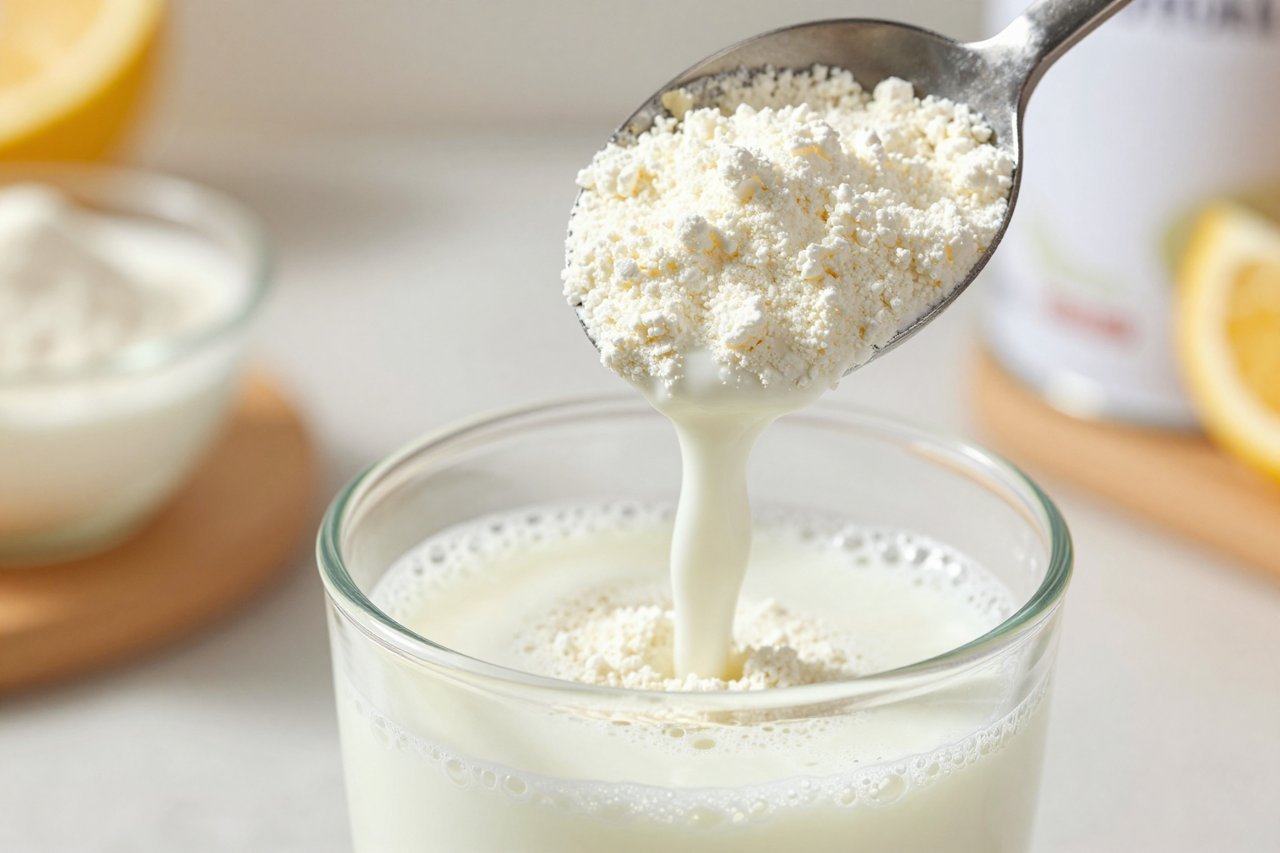
Whey protein concentrate (WPC) is the most ‘whole’ form of whey powder you’ll find in a standard supplement. To understand it, you need to understand where whey comes from. When milk is turned into cheese, the liquid portion that separates from the curds is called whey. That whey is then pasteurized and filtered to remove some water, some lactose, and some fat. What’s left is a dried powder that concentrates the original whey proteins.
The key word is ‘concentrate.’ It’s not the purest form – that would be isolate – but it’s also not the raw liquid whey you might remember from strained yogurt. A typical concentrate runs anywhere from 70% to 80% protein by weight, depending on how much filtering was done.
Concentrate vs. Isolate vs. Hydrolysate: Where Does It Fit?
Whey protein exists on a spectrum of processing. At one end, concentrate is the least processed and often the cheapest. At the other, hydrolysate has been broken down into smaller peptides, which some people claim are absorbed faster. Isolate sits in between, with extra filtration that pushes protein content above 90%.
Here’s the practical difference: concentrate keeps more of the natural milk compounds. That means slightly higher lactose and fat, but also more of the bioactive fractions like immunoglobulins and lactoferrin. For most people, though, the difference in muscle-building outcomes between concentrate and isolate is negligible – what matters more is hitting your daily protein target.
Nutritional Breakdown: What’s in a Scoop?
The Macro Breakdown
Let’s get specific. A standard 30-gram scoop of whey protein concentrate typically provides:
- 20 to 24 grams of protein
- 2 to 4 grams of carbohydrates (mostly lactose)
- 1 to 3 grams of fat
- 110 to 140 calories
That makes it slightly higher in calories and carbohydrates than an isolate, but also a more affordable way to get similar protein volume. If you’re someone who tracks macros closely, the difference can matter, but for the average person it’s usually not a dealbreaker. If you’re comparing products, pay attention to the serving size. Some brands use a 31-gram scoop or even 35 grams, which changes the protein percentage. A quick math check: divide the protein grams by the total scoop weight. That’ll tell you the real concentration.
The Bioactive Extras
Concentrate also carries a few extras. Because it’s less processed, it retains more naturally occurring calcium, phosphorus, and other micronutrients from the milk. Some research also points to the presence of glycomacropeptides, which may help with appetite regulation, though that’s still being studied.
Who Should Choose Whey Protein Concentrate?
The short answer: most people can absolutely use whey protein concentrate. Its affordability and mild flavor make it a no-brainer if you’re mixing protein shakes after a workout or adding protein powder to oatmeal, pancakes, or baked goods. If you tolerate dairy well, concentrate is often the smartest money-for-protein choice on the shelf.
That said, if you’re lactose intolerant or have a severe dairy sensitivity, concentrate could cause bloating, gas, or discomfort. The lactose content can range from 2% to 6%, which is enough to trigger symptoms in some people. In those cases, an isolate or a plant-based protein might be better tolerated. Same goes if you’re following a very low-fat diet for medical reasons – the fat in concentrate, while modest, could add up.
How to Choose a Quality Whey Protein Concentrate
Not all concentrate powders are created equal. Here’s what I look for when checking out a new brand:
- Protein percentage: Aim for at least 70% protein per serving. Some are diluted with fillers or added amino acids to boost the label number.
- Third-party testing: Seals from NSF, Informed Choice, or similar organizations give you peace of mind that what’s on the label is actually in the tub.
- Additive list: Watch out for artificial sweeteners, gums, or fillers that just take up space. A simple ingredient list – whey concentrate, lecithin, flavoring – is often a good sign.
If you want a deeper look at how to read supplement labels, our guide on protein powder for muscle gain breaks down exactly what the label won’t tell you – and it has saved me from buying a few overhyped tubs.
Simple Ways to Use Whey Protein Concentrate in Your Day
Finally, let’s talk about real-world usage. Whey protein concentrate works beautifully in a basic shake, but it also shines in recipes. Its slightly higher lactose and fat content actually helps it blend more smoothly and add a touch of creaminess.
Try adding a scoop to your morning oatmeal, mix it into Greek yogurt for a thicker treat, or blend it into pancake batter for a protein-packed weekend breakfast. You can even stir a little into soups or sauces to thicken them – just don’t add it to boiling liquids or it might clump.
If you’re someone who prefers a less processed option but doesn’t want to pay isolate prices, concentrate is a solid middle ground that gets the job done.
