 1-800-656-4211




Blog
Best Probiotics for Vaginal Health: A Science-Backed Guide to Choosing the Right Strains

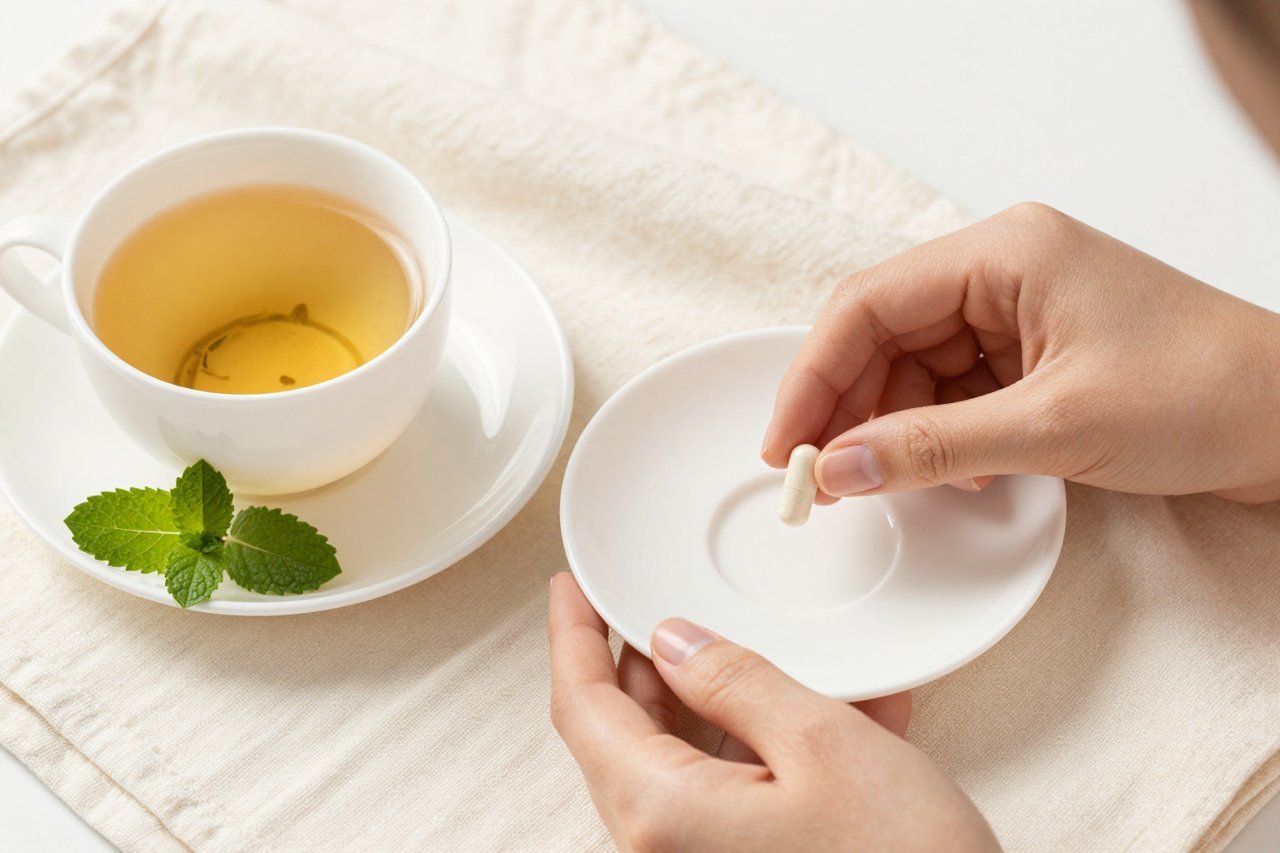
If you’ve ever finished a round of antibiotics only to find yourself on the itchy, uncomfortable path toward a yeast infection, you know the frustration. The vaginal microbiome is a delicate balance, and when it tips, it can feel like an endless cycle. Probiotics have rightfully become a go-to for supporting vaginal health, yet the supplement shelf is packed with options that all look similar. So which bottle is actually worth your money? The answer comes down to specific strains, clinical research, and how you use them. In this guide, we’ll decode the science and help you choose the best probiotics for vaginal health.
Your Vaginal Microbiome: Why Lactobacillus Rules
Your vagina is not a sterile environment. It’s a dynamic ecosystem, and in a healthy state, Lactobacillus bacteria are the gatekeepers. They produce lactic acid, which keeps the pH level around 3.8 to 4.5. That acidity stops pathogens like Gardnerella vaginalis and Candida yeast from taking over. When Lactobacillus numbers drop—from antibiotics, hormonal shifts, even stress—the pH rises, and you might notice unusual discharge, odor, or that all-too-familiar burning. If you’re new to this concept, you might find our complete guide to vaginal probiotics helpful.
The Strains That Make a Real Difference
Not all lactobacilli are created equal. Many studies focus on a pair of superstars: Lactobacillus rhamnosus GR-1 and Lactobacillus reuteri RC-14. These strains were originally isolated from healthy female urinary tracts, and they’re proven to travel from your gastrointestinal tract and colonise the vaginal region after oral intake. In a randomised controlled trial, women taking GR-1 and RC-14 for 12 weeks showed significantly lower recurrence of bacterial vaginosis—from 40% down to 15%, compared to a placebo at 58%. That’s not a small win.
Lactobacillus crispatus: The Native Powerhouse
Another strain worth watching is L. crispatus. It’s often the dominant species in women who never experience vaginal issues, but it’s notoriously difficult to manufacture in supplements. New vaginal tablets using this strain are showing promise, but oral capsules rarely contain it. If you find a product with L. crispatus alongside rhamnosus and reuteri, it’s likely top-notch.
The acidophilus Oversell
Walk into any pharmacy and you’ll see ‘Lactobacillus acidophilus’ plastered on probiotics for women. While acidophilus is fantastic for digestion, studies have been mixed about its ability to colonise the vagina. One study even found that L. acidophilus often gets flushed out within a couple of weeks. That doesn’t mean it’s useless, but don’t rely on it alone for vaginal support.
How to Pick the Right Probiotic: A Label Reading Cheat Sheet
Instead of trusting ‘women’s formula,’ look for these specifics on the label.
- Strain names, not just species. A label should say Lactobacillus rhamnosus GR-1 or L. reuteri RC-14, not just ‘Lactobacillus’. The strain code is key.
- A CFU count that actually matters. Look for at least 1 billion colony-forming units (CFU) per dose, and 10-50 billion for more therapeutic use. Higher isn’t always better if the strain is wrong, but too low is usually a waste.
- Delivery format. Oral capsules are convenient, but if you’re dealing with recurrent issues, a vaginal suppository might target the problem directly. Both can work; it just depends on preference.
- Minimal fillers. Some products add prebiotics like FOS, which is good for gut bacteria but can cause bloating in some people. Choose accordingly.
Oral vs. Vaginal: What the Research Says
Oral probiotics need to survive stomach acid, so look for enteric-coated capsules or those that promise high bio-survivability. Studies show GR-1 and RC-14 do make it to the vagina intact. Vaginal suppositories, on the other hand, deliver the bacteria directly to the target site, which might be quicker for acute imbalances. For everyday maintenance, an oral probiotic is easier and still effective. For a more detailed breakdown, our guide to a healthier balance covers the comparison plus real-world tips.
Our Picks: Best Probiotics for Vaginal Health
These aren’t the only good options, but they’re the ones that have research backing or well-reviewed formulas.
- Jarrow Formulas Fem-Dophilus. Contains 5 billion CFU of the exact GR-1 and RC-14 strains used in clinical trials. The enteric coating ensures the bacteria reach your intestine alive. This is a no-nonsense choice.
- Renew Life Women’s Probiotic. This offers 35 to 50 billion CFU with L. rhamnosus, L. reuteri, and L. acidophilus, plus prebiotic fiber for extra support. The higher CFU can be helpful if you’ve just finished a course of antibiotics.
- Garden of Life RAW Women’s. A raw, organic formula with 34 billion CFU and a diverse blend including L. rhamnosus and L. crispatus. It requires no refrigeration, which makes it travel-friendly.
- RepHresh Pro-B Chewable. A chewable who knows a thing or two about staying consistent. It targets the urogenital tract with L. rhamnosus and L. reuteri, and it’s a good option if swallowing pills isn’t your thing.
Remember, the best product is one you’ll actually take every day. A low-CFU supplement taken consistently often outperforms a high-CFU bottle left in a drawer.
Match Your Probiotic with These Lifestyle Habits
A probiotic is a tool, not a magic pill. To truly support your vaginal microbiome, pair it with habits that keep the environment happy.
- Wear cotton, breathable underwear and avoid tight workout gear for extended hours.
- Skip scented wipes, sprays, and douching – warm water plus a gentle, unscented soap on the outer area is all you need.
- Eat a low-sugar diet or cut back on refined sweets, since yeast thrives on sugar.
- Manage stress with walking, stretching, or simply checking in with yourself. Stress triggers hormonal changes that can tip the pH balance.
- Take your probiotic at the same time each day, with a meal that includes some fat to help coat the bacteria against stomach acid.
Patience Is Part of the Formula
There’s no overnight fix. A course of a good vaginal probiotic should last at least 4 to 8 weeks before you judge the results. Many women see improvements in discharge, itchiness, and odour within that window, but the microbiome takes time to rebuild. If you have recurring issues, keep a log of symptoms and discuss the timing with your healthcare provider.
That’s the real answer to finding the best probiotics for vaginal health: understanding that the right strain, taken consistently, in a body that supports balance, is what makes the difference.
