 1-800-656-4211




Blog
Health Benefits of a Cherry: What a Handful Can Do for Sleep, Muscles and Heart

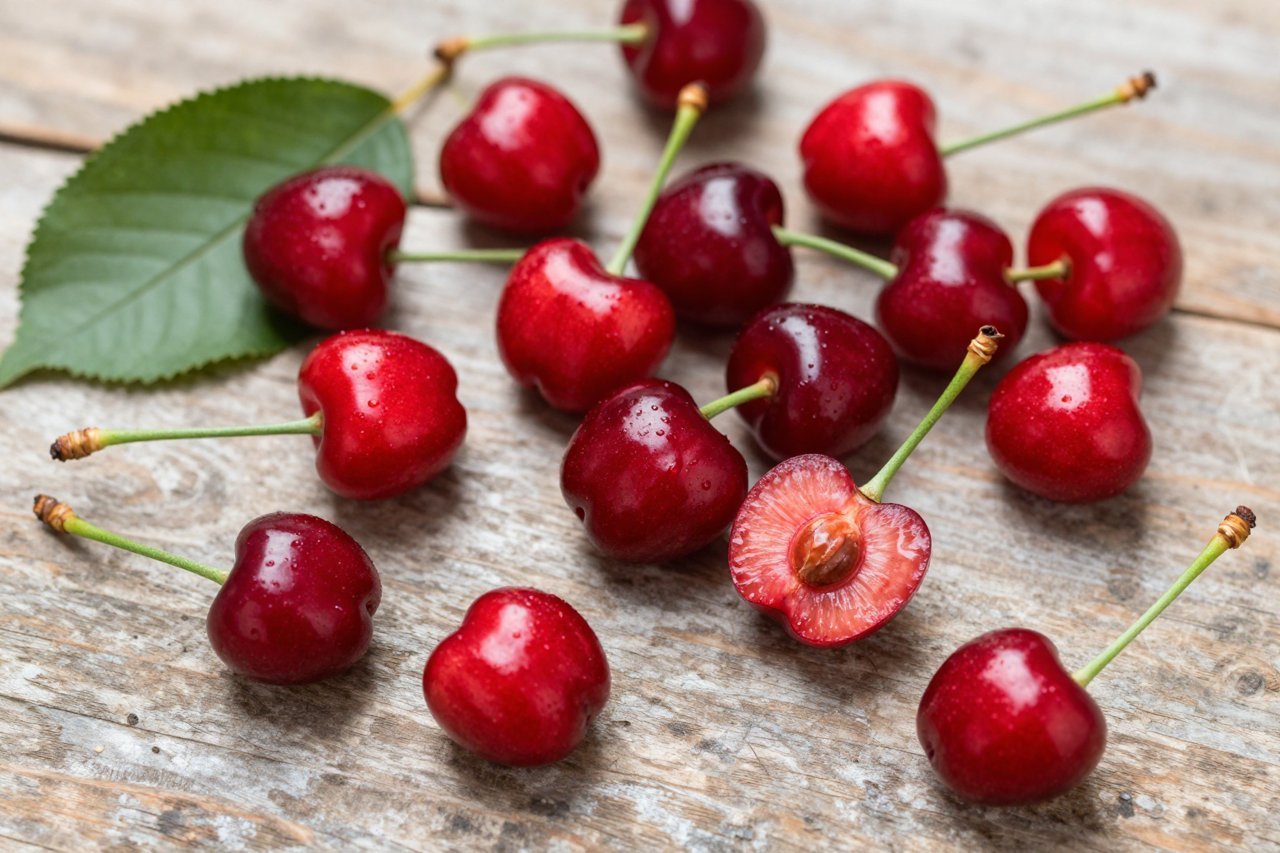
When you bite into a ripe cherry, the pop of juice hides a surprisingly complex nutritional story. This fruit carries antioxidants, sleep-supporting melatonin, potassium, and compounds that calm irritated tissues. Here, we’ll untangle the main health benefits of a cherry, without overhyping a single superfruit.
The Antioxidant Edge: What the Red Colour Really Means
The rich colour of cherries comes from anthocyanins, plant pigments that work as antioxidants in your body. A cup of sweet cherries provides around 19 milligrams of anthocyanins, but tart cherries and darker varieties can contain almost twice that. Cherries also add quercetin and other polyphenols that appear in studies linked to lower inflammatory markers.
Sweet or Sour: Which Cherry Is a Better All-Rounder?
Sweet cherries (Bing, Rainier) are snack-friendly but carry about 13 grams of sugar per 100 grams. Tart cherries have roughly 11 grams and more anthocyanins, which is why they are used in most juice and dried products. Both deliver useful fibre and potassium. If you need help choosing, this guide unpacks the sweet and sour truth about cherries and how to match a variety to your goals.
Does a Cherry Help You Sleep Longer and Better?
Cherries are one of the few food sources of melatonin, the hormone that regulates your internal clock. Tart cherries contain more of it than sweet ones. They also provide tryptophan, which your body turns into serotonin.
In older adults with insomnia, a study found that drinking tart cherry juice for two weeks increased sleep time by about 84 minutes a night compared with a placebo. Other trials have reported shorter sleep onset and fewer night-time awakenings. For practical tips on dosage and timing, see our article on tart cherry juice and sleep. Sour cherry varieties are your best bet.
Muscle Recovery: A Useful Post-Workout Snack
Physical activity creates inflammation in muscle fibres. Cherries’ anti-inflammatory compounds may help lower that reaction and return muscles to normal more quickly.
In one study, marathon runners who drank tart cherry juice before and after a race reported significantly less muscle pain than a placebo group. A separate trial with cyclists saw better maintenance of power output after a few days of hard intervals. A post-training serving of cherries or tart cherry juice within the hour might give your recovery the same gentle support.
Friendlier Joints: Fewer Uric Acid Flares
For people with gout, a build-up of uric acid crystals in joints causes sudden episodes of searing pain. Anthocyanins in cherries appear to lower uric acid and dampen the inflammatory response.
In a study of 633 people with gout, eating roughly 10 cherries daily was connected to a 35% lower risk of gout flare-ups compared with eating none. The effect remained even among those on standard medication. A six-week trial also suggested modest improvements in knee pain and stiffness in people with osteoarthritis. For a broader view of the evidence, read our guide to cherry fruit health benefits, from better sleep to less joint pain.
A Balanced Snack for Blood Sugar and Weight Management
Sweet cherries have a glycemic index around 54, so their natural sugar enters your bloodstream gently, especially thanks to their fibre. One cup has around 90 calories and 3 grams of fibre. Dried cherry portions still count, though; keep those small and look for unsweetened labels.
Here are a few realistic ways to manage portions:
- For a snack, aim for about 150 grams, roughly 21 cherries.
- Keep frozen pitted cherries on hand for smoothies or yoghurt.
- If you choose dried, measure a 40-gram portion, about four tablespoons.
- Dilute 30 millilitres of tart cherry concentrate in water as a low-sugar evening drink.
The key is to eat the fruit whole, not concentrated sweetened forms.
Circulation and Heart Health: More Than Potassium
Cherries provide roughly 340 milligrams of potassium per cup, which helps balance sodium and supports healthy blood pressure. Polyphenols in the fruit also encourage the release of nitric oxide, relaxing blood vessel walls.
A small pilot study found that older adults with early hypertension lowered systolic blood pressure by drinking tart cherry juice for six weeks, and a later crossover trial saw a reduction in LDL cholesterol. This is not a cure for heart disease, but your cardiovascular system does appreciate a bag of cherries. For more on regular use, we explain why this summer fruit deserves a full-time spot in your weekly routine.
What to Watch Out For When You Eat More Cherries
Cherries are safe, but the packaging matters. Dried cherries often hide added sugar, and tart cherry juice can be acidic enough to irritate enamel. Cherry pits contain traces of amygdalin; teach children not to chew them. If you have kidney disease or take blood thinners, check with your doctor before using concentrated cherry products because of their potassium and vitamin K content.
Simple Ways to Enjoy Cherries From Spring Through Winter
Fresh cherries seem to disappear by mid-summer, but frozen cherries preserve most of their nutrients. Thaw a handful for porridge, use them in a wholegrain pancake batter, or warm them with orange zest for a quick compote. Dried cherries work in salads and trail mixes, and do not toss out the ruby juice that gathers when they thaw; stir it into vinaigrette or yoghurt.
You do not need an elaborate wellness routine to benefit. A small bowl of cherries a few times a week can make a difference to your sleep, recovery, and long-term health. Add them to your basket as a normal fruit, and let this small ruby package prove its worth.
