 1-800-656-4211




Blog
Acerola Cherry Benefits: The Vitamin C Superfruit You’re Missing

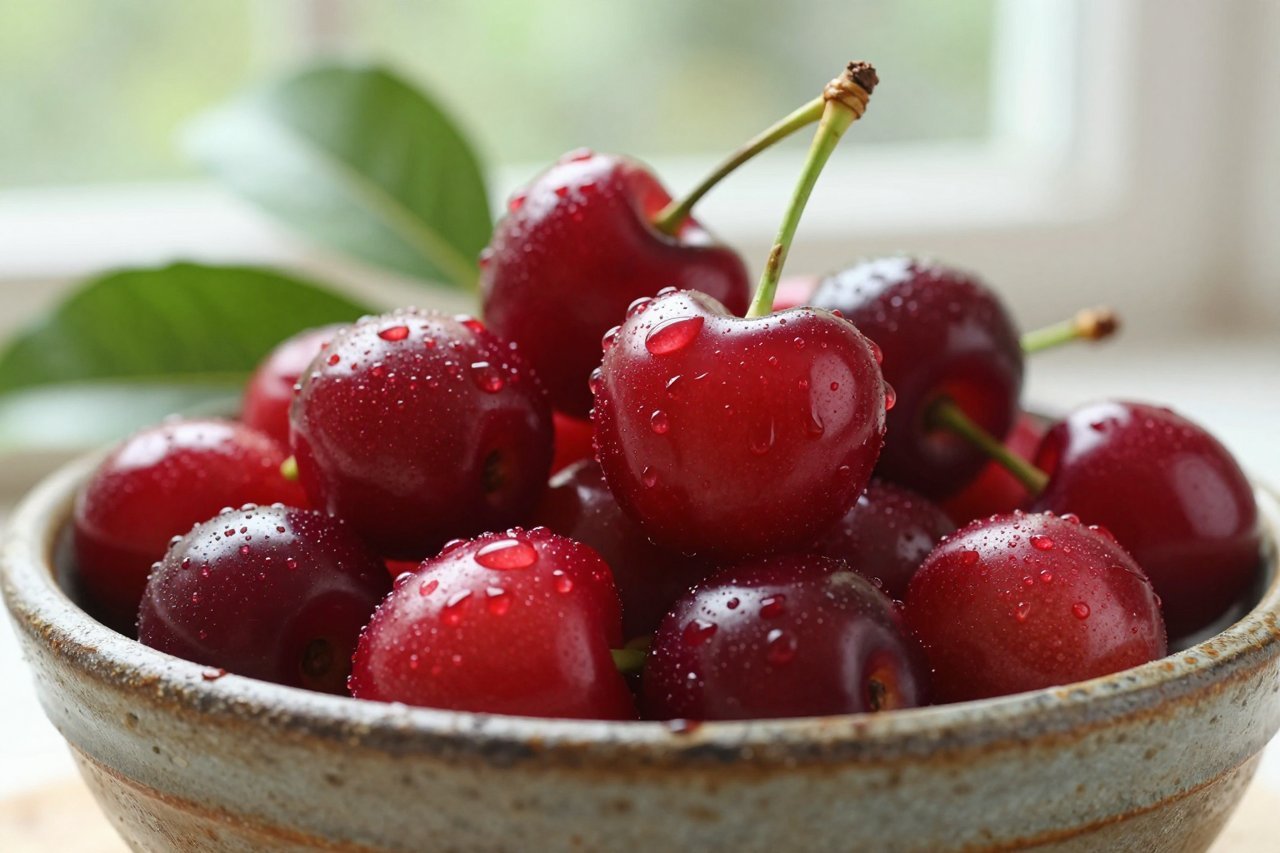
The acerola cherry is the forgotten MVP of the superfruit aisle. It looks like something a child would draw on a tropical postcard, and yet this small berry carries more vitamin C per bite than almost anything else on earth. If you are searching for natural immune support, healthy skin, or a vitamin C food source that does not taste like a cup of sugar, this tropical fruit deserves a serious look.
What Is Acerola Cherry?
Acerola is known botanically as Malpighia emarginata, but you might also hear it called Barbados cherry, West Indian cherry, or wild crepe myrtle. The native plant grows in warm places, from Brazil to Central America and the southern United States. The small drupe looks like a cross between a cherry and a gooseberry, with thin skin and a bright red colour when ripe.
What makes acerola stand out is its extraordinary vitamin C concentration. A 100-gram serving of raw fruit provides roughly 1,600 milligrams of vitamin C, which is around 30 times more than the same amount of fresh orange. The taste is tart and slightly floral, with sour notes similar to cranberry and hints of apple and strawberry. Because the fresh fruit is highly perishable, most people enjoy it as freeze-dried powder, juice, or supplement capsules.
Acerola Cherry Benefits: What Makes It So Special
Here is a quick snapshot of the health upside shown by research and nutritional chemistry.
- Massive vitamin C content per serving compared with oranges or kiwis.
- Naturally low sugar for a fruit, at about 4 grams per 100 grams.
- Rich in antioxidant plant compounds such as anthocyanins and phenolic acids.
- Dense source of provitamin A, including beta-carotene, lutein and zeaxanthin.
- Contains key minerals like potassium, magnesium, iron and manganese.
Immune Support Straight from the Source
Vitamin C gets plenty of headlines when cold season arrives, and for good reason. Your immune cells use vitamin C to protect themselves from oxidative damage while they fight pathogens. Neutrophils and natural killer cells need a steady supply to work properly. Even the blood-brain barrier benefits from vitamin C, which helps regulate immune responses in the brain.
Acerola offers a way to hit high vitamin C levels without overloading your palate with sugar. One small study that measured human bioavailability found that vitamin C from acerola extract is absorbed just as well as synthetic ascorbic acid. So whether you are facing a stuffy office or a packed marathon schedule, a daily teaspoon of acerola powder can be a simple habit.
Skin Health and the Collagen Boost
Collagen is the structural protein underneath your skin. It is also present in your tendons, ligaments and gums. Your body cannot make collagen properly without vitamin C, because that nutrient is needed for the enzyme that stabilises the collagen molecule. When vitamin C levels are low, collagen production slows down and existing collagen becomes fragile.
Acerola’s vitamin C joins forces with its polyphenols to defend skin against ultraviolet light and pollution. One 2020 review highlighted acerola’s potential for use in anti-ageing skincare due to its antioxidant capacity. While no powder erases sun damage, adding vitamin C-rich food can help your skin repair itself from within. A small daily amount may keep your skin looking springy and bright.
Better Iron Absorption from Plant Meals
Non-heme iron is the kind found in lentils, beans, spinach, and fortified cereals. The problem is that your digestive tract only absorbs around 2 to 20 percent of the non-heme iron you eat. Compounds like tannins in tea and oxalic acid in spinach can bind iron and make it even harder to absorb. That is where vitamin C shines. It keeps iron in its reduced ferrous state, making it more soluble and easy for your gut cells to take up.
Eating acerola powder with an iron-rich meal can significantly improve iron status over time. For vegetarians and vegans, this is especially valuable. Try sprinkling a small amount of powder over a lentil curry or blending it into a green smoothie with spinach and almonds. The tartness complements savoury and tropical flavours nicely.
A Rich Antioxidant Buffet
Vitamin C is not the only nutritional trick up acerola’s sleeve. The fruit contains a wide variety of polyphenols, including cyanidin-3-glucoside, ellagic acid, ferulic acid, caffeic acid and chlorogenic acid. These compounds help neutralise free radicals, which are unstable molecules that can damage proteins, lipids and DNA. In test tubes, acerola extracts show strong free radical scavenging activity, often scoring higher than more famous berries.
That antioxidant blend may also help your cardiovascular system. Oxidised LDL cholesterol is one of the drivers of plaque formation in arteries. In a laboratory study of human cells, acerola polyphenols reduced LDL oxidation and improved inflammatory markers. Whole-food evidence remains thin, but having several servings of high-polyphenol fruit each week is a sensible move for heart health.
Blood Sugar Management Potential
With only 4 grams of sugar per 100 grams of fruit, acerola fits well into low-sugar or diabetic-friendly diets. Yet there is more to the story. Some animal research suggests that acerola compounds may influence carbohydrate metabolism. In a study on diabetic mice, acerola polyphenol extract lowered blood glucose and increased the activity of antioxidant enzymes in the liver. Researchers believe that quercetin and chlorogenic acid help modulate insulin signalling. Human trials are missing, so treat that finding as preliminary but promising.
Eye-Friendly Carotenoid Support
Acerola is loaded with provitamin A compounds, especially beta-carotene. It also contains lutein and zeaxanthin, which accumulate in the retina and lens. These two carotenoids are known to filter high-energy blue light and protect against oxidative stress in the eyes. Getting a combined dose of vitamin C and carotenoids is a useful way to look after your long-term vision. Most vitamin C pills cannot give you that synergistic mix.
How to Eat Acerola Cherry Every Day
Fresh acerola is hard to find outside the tropics because it bruises and ferments quickly after harvest. The freeze-dried powder is more stable and just as potent if stored in a cool, dark place. A quarter to half a teaspoon of pure acerola powder can provide 150 to 300 milligrams of vitamin C, which is enough for most adults.
- Smoothies: add half a teaspoon of acerola powder to a mango, banana and coconut water smoothie for a bright tropical flavour.
- Yoghurt and overnight oats: fold a little powder into yoghurt with granola and berries for a morning antioxidant kick.
- Salad dressings: whisk it into lime juice and olive oil for an unexpectedly tart, nutritious dressing.
- Homemade fruit leather: blend acerola with pineapple and apple, then dehydrate for a vitamin-rich snack.
- Capsules and supplements: those who dislike the sour taste can choose a capsule. Look for brands using freeze-dried fruit without fillers.
Because acerola retains much of its natural vitamin C when gently dried, you are not trading off nutrition for convenience.
Dosage, Safety and Precautions
Vitamin C is water-soluble, so your body does not store it. That means regular consumption matters more than occasional megadoses. The recommended daily intake is around 75 milligrams for women and 90 milligrams for men, but smokers need about 35 milligrams more. For therapeutic benefits beyond deficiency prevention, doses between 200 and 500 milligrams per day are common. A half-teaspoon of acerola powder fits neatly into that range.
Who Should Be Careful?
Even though acerola is a natural food, its high vitamin C content deserves some caution. People with hereditary hemochromatosis absorb too much iron, and taking extra vitamin C can make iron absorption even more problematic. If you have a history of kidney stones made of calcium oxalate, speak with a doctor. Vitamin C can be metabolised to oxalate, and very high daily intakes might increase the risk in susceptible individuals. You would have to eat a particularly large amount of acerola repeatedly, but supplements can push you into that zone.
Large excesses of vitamin C may cause stomach cramps, nausea, or loose stools. That usually happens at intakes above 2,000 milligrams daily, which would be far more than the amount in a typical acerola serving. If you are taking medication, particularly blood thinners or oestrogen therapy, ask a healthcare professional before using concentrated supplements.
Simple Tip for Long-Term Use
Store acerola powder in a tightly sealed jar away from light and heat, and always use a dry spoon so moisture does not clump it. Mornings are a good time to consume it because vitamin C can increase alertness and feeds into your circadian energy rhythm. You might also take it with an iron-rich breakfast like fortified cereal or oatmeal.
The best way to enjoy acerola is as a food, not a last-ditch cold remedy. Small daily amounts let your body keep a steady supply of vitamin C, collagen support, and gut-friendly polyphenols. Those bright red berries, whether fresh or freeze-dried, are an elegant pocket of tropical nutrition. Once you find a way to incorporate them into your routine, you might wonder why oranges got all the press in the first place.
