 1-800-656-4211




Blog
Antioxidant Supplements: What Actually Works, What Doesn’t, and How to Choose

Walk into any pharmacy and you’ll see whole shelves of antioxidant supplements promising everything from younger-looking skin to a lower risk of chronic disease. The label looks scientific, and the logic seems obvious: if free radicals damage cells, and antioxidants neutralise them, then taking extra antioxidants should be a no-brainer. But the research tells a quieter, more complicated story.
What are antioxidant supplements anyway?
Antioxidant supplements are concentrated doses of vitamins, minerals, or plant-derived compounds that help neutralise free radicals — unstable molecules produced naturally when your body converts food into energy. They also come from external sources like air pollution, cigarette smoke, and UV radiation. Over time, if free radicals outnumber antioxidants, oxidative stress builds up. That stress is linked to aging, heart disease, and cognitive decline.
Your body already runs a complex antioxidant defense system. Glutathione, produced in the liver, is the master protector. Nutrients like selenium, vitamin C, and vitamin E support its function. Supplements aim to give that system extra backup. Whether that backup actually pays off depends on your diet, your health status, and the specific antioxidant in question.
Do you actually need one? Targeted reasons to consider them
Most healthy adults don’t need a general antioxidant supplement. But there are specific situations where it deserves a spot in your routine. People with chronic inflammatory conditions such as rheumatoid arthritis often have higher oxidative stress. Older adults may absorb nutrients less efficiently. Smokers and heavy drinkers burn through antioxidants quickly. Athletes in intense training produce more free radicals than sedentary people — though whether that is a problem is debatable.
Skin health and collagen support
Oxidative stress is a key driver of photoaging. UV exposure generates free radicals in your skin, which is why many anti-aging creams contain antioxidants. One of the most effective is vitamin C, which also boosts collagen synthesis. A daily vitamin C supplement plus a targeted collagen supplement has more direct evidence than a random antioxidant blend. If you’re trying to decide between the two, my collagen supplement for skin guide might help.
Athletic performance and recovery
High-intensity exercise increases free radical production, but that doesn’t mean you should scramble for a pill. Some studies show that taking antioxidants too close to training can blunt the muscle adaptations you’re working for. If you use a pre-workout, look closely at the label — many add antioxidants as a marketing bonus. I’ve gone through the pre-workout supplement ingredients that actually work and those are mostly performance boosters, not antioxidant formulas.
Hair and follicle health
You might also notice antioxidant claims in the hair supplement aisle. Some research links oxidative stress to follicle aging, and it’s common to see vitamin E or vitamin C in hair growth formulas. If you’re already exploring those, it helps to understand how antioxidants fit in. I’ve broken down the ingredients that actually work in hair growth supplements for women if you want to dig deeper.
The antioxidant supplements with real science behind them
Not all antioxidants are created equal. Some have years of human trials behind them. Others are fuelled by animal studies and marketing budgets. Here’s a closer look at the ones worth considering.
Vitamin C
Vitamin C is the most-studied water-soluble antioxidant. It helps regenerate vitamin E, supports immune cells, and is a required cofactor for collagen production. Ordinary doses of 250–500 mg daily are safe for most people. Doses over 2,000 mg can cause stomach cramps and increase kidney stone risk. Ascorbic acid is fine, though mineral ascorbates are gentler on the stomach. I’ve written a separate guide on which vitamin C supplements actually work and which are just hype.
Selenium
Selenium is a trace mineral embedded in glutathione peroxidase, a key antioxidant enzyme. It also plays a role in thyroid function. A 55–200 mcg daily dose is usually recommended. Brazil nuts are the richest food source — two nuts provide about 100–200 mcg. But don’t eat them by the handful; selenium toxicity can cause brittle hair and nails.
N-acetylcysteine (NAC)
NAC is a modified amino acid that helps your body replenish glutathione. It’s well known in hospitals for treating acetaminophen overdose. Clinically, it shows promise for chronic bronchitis, PCOS, and oxidative stress from heavy metals. It’s usually taken in 600–1,200 mg daily doses. If you take multiple antioxidant supplements, NAC is a smarter base than a generic ‘antioxidant blend’.
Coenzyme Q10 (CoQ10)
CoQ10 is produced naturally in mitochondria and acts as both an energy shuttle and a fat-soluble antioxidant. Levels decline with age and with statin use. Supplementation has evidence for migraines and for reducing statin-related muscle pain. Typical doses are 100–200 mg per day of ubiquinone or the better-absorbed ubiquinol. It takes several weeks to build up in tissues.
When high-dose antioxidants do more harm than good
Here’s where the logic falls apart. Oxidative stress isn’t purely bad — low levels act as signals that make your body stronger. Rapidly dividing cancer cells also rely on antioxidants to survive. Clinical trials have delivered some surprises:
- Beta-carotene supplements increased lung cancer risk by 18% in heavy smokers.
- High-dose vitamin E was linked to a small but real increase in all-cause mortality.
- Antioxidant pills taken around workouts can decrease the training response in skeletal muscles.
These findings are a reminder that antioxidant supplements should be treated like medicine, not a treat.
How to choose a quality antioxidant supplement
If you do decide to take one, here are a few steps to separate a solid product from a cleverly marketed one.
Look for third-party testing
Brands like USP, NSF, and ConsumerLab test products for purity and label accuracy. If a brand doesn’t mention third-party testing, assume the dose on the bottle might not match what’s inside.
Check the dosage and form
You want explicit amounts per serving, not just percentages of daily values. For vitamin E, mixed tocopherols are better than synthetic dl-alpha-tocopherol. For selenium, selenium methionate is more bioavailable than sodium selenite. If a label lists an ingredient but no dose, that’s a red flag.
Avoid proprietary blends
When you see a ‘proprietary blend’ on a supplement label, it means the company doesn’t have to tell you how much of each ingredient is in the mix. That’s a problem with antioxidants, because the dose matters. Here’s a quick checklist:
- The label doesn’t list exact amounts for each ingredient.
- It uses a proprietary blend without a breakdown.
- It promises to ‘restore youth’ or ‘cure disease’.
- It contains tiny doses of many ingredients just so it can call itself ‘antioxidant-rich’.
Food first, supplements second
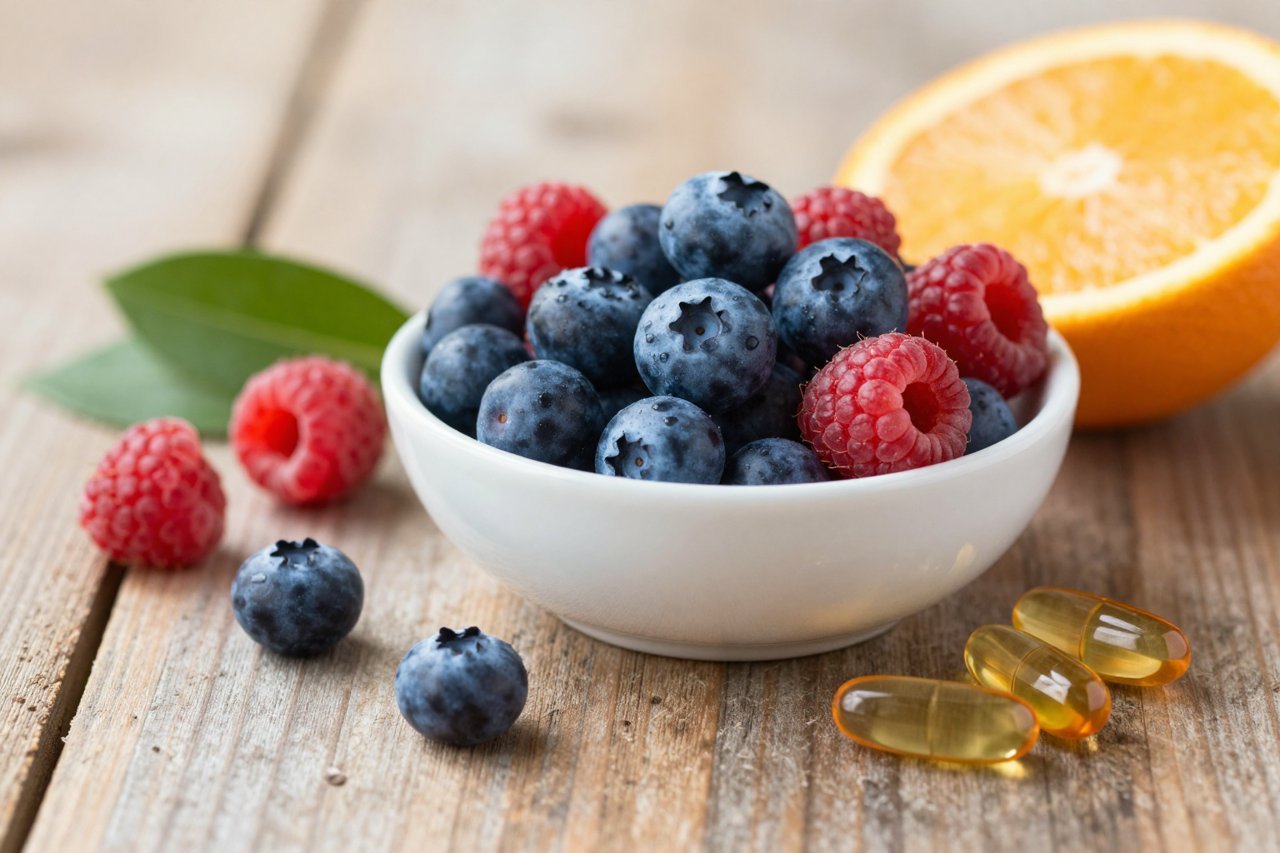
Supplements fill gaps; they don’t replace a good diet. A half-cup of blueberries delivers more antioxidant power than most pills, plus fiber and polyphenols. Tomatoes cooked with olive oil offer lycopene in a form fat helps you absorb. Black beans, spinach, green tea, dark chocolate, and turmeric all contribute antioxidants through everyday meals. You also get dietary fiber, which supports digestion in a way no capsule can.
If you’re considering an antioxidant supplement, start with a nutrient-dense diet and use a targeted product to cover a specific gap — whether that’s vitamin C in the winter, NAC for oxidative stress, or CoQ10 if you’re on statins. Skip the giant ‘mega-antioxidant’ pills that promise everything to everyone. The right antioxidant, at the right dose, for the right reason — that’s where the real value lives.
