 1-800-656-4211




Blog
Electrolyte Powder: The Full-Body Guide to Smart Hydration

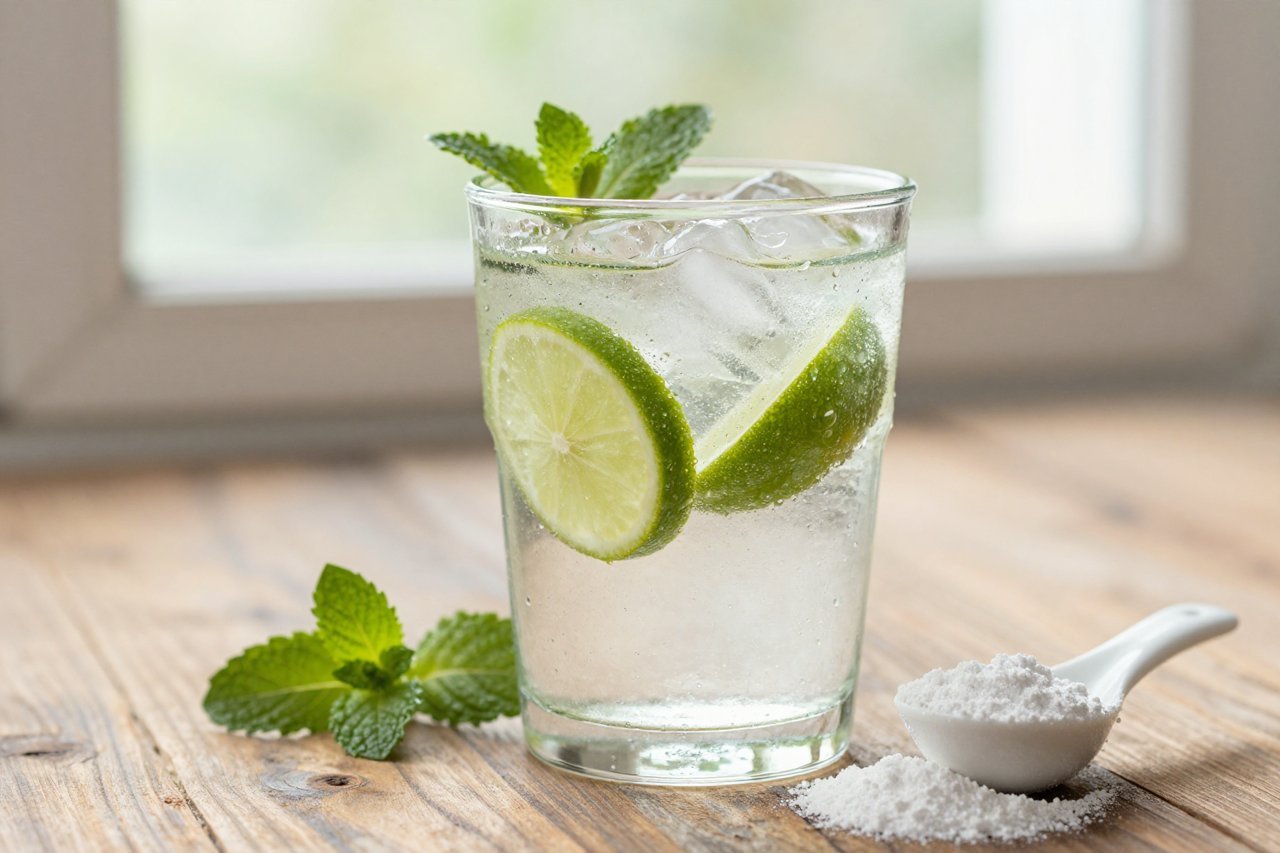
The day I stopped drinking plain water before my long runs was the day I stopped hitting that dreaded wall at mile eight. A friend handed me a small scoop of chalky powder, said “trust me,” and within twenty minutes my legs felt heavy in a different way—less like dead weight, more like they actually had something left.
Electrolyte powder has gone from niche endurance gear to a staple in office drawers, travel bags, and morning routines. But with so many brands, claims, and formulas out there, it’s worth slowing down to understand what it really does, whether you need it, and how to pick one without falling for marketing fluff.
What Exactly Are Electrolytes?
Electrolytes are minerals that carry an electrical charge when dissolved in water. That charge is what your cells use to move fluid, fire nerves, and contract muscles. The big four are:
- Sodium – the main player in fluid balance. It helps you retain water and keeps your blood pressure stable.
- Potassium – works with sodium to regulate heartbeat and muscle function. Low potassium feels like cramping and weakness.
- Magnesium – involved in over 300 enzyme reactions, including energy production and muscle relaxation.
- Calcium – not just for bones. It triggers muscle contractions and supports nerve signalling.
When you sweat, you lose sodium and chloride most heavily, but you also lose potassium and magnesium in smaller amounts. If you’re just drinking plain water after heavy sweating, you dilute the electrolytes you have left, which can actually make things worse. That’s why those cloying sports drinks exist—but many of them are loaded with sugar and artificial colors. Electrolyte powder offers the same benefit without the gimmicks, if you choose wisely.
Do You Actually Need It?
Here’s the honest answer: It depends. If you’re sitting at a desk all day and drinking enough water to hit pale-yellow urine, you probably don’t need to be chugging electrolytes. Your kidneys are masters at holding onto what you need.
When Electrolytes Become Non-Negotiable
- Endurance exercise over 60–90 minutes: A 2019 study in the Journal of the International Society of Sports Nutrition found that sodium added to fluid during long sessions improves hydration status and reduces cramping risk. One hour of intense running can cost you 800–1,200 mg of sodium.
- Hot, humid environments: When it’s 32°C (90°F) and muggy, sweat rates climb. A construction worker in Phoenix or a trail runner in Florida loses far more than the average gym-goer.
- Illness with vomiting or diarrhea: This depletes electrolytes rapidly. Oral rehydration solutions have been a lifesaver during stomach bugs for decades.
- Low-carb or keto diets: When insulin drops, the kidneys excrete more sodium. Many keto flu symptoms—fatigue, headaches, dizziness—are actually electrolyte deficits.
- Heavy alcohol consumption: The dehydration and cramping you feel the morning after? Partly electrolyte imbalance.
If none of these apply to you, a balanced diet with fruit, vegetables, and salty foods probably covers your needs. But if you’re active, prone to migraines, or live in a hot climate, a targeted serving can change how you feel in a way that’s hard to overstate.
How to Choose an Electrolyte Powder That’s Worth Your Money
Not all powders are created equal. Some are glorified sugar packets with a pinch of salt. Here’s what to look for on the label.
Check the Sodium Amount
Look for 300–500 mg of sodium per serving. That’s the range shown to improve hydration without causing stomach sloshing. Many brands skimp and give you 100 mg, which is basically useless. Others go high, like 1,000 mg per serving—fine for a three-hour marathon, overkill for a forty-minute spin class.
Sugar Is Not the Enemy, But It Shouldn’t Be #1
Your body actually absorbs water and sodium better with a little carbohydrate. That’s why old-school sports drinks have glucose. But you don’t need 30 grams per serving. The best products have 2–5 grams of sugar, or none if you’re using them during fasting or keto. If you want carbs for long rides, add your own quickly digestible snack on the side.
Check the Magnesium Source
Magnesium oxide is cheap but poorly absorbed. Magnesium citrate, malate, or glycinate are better options. If a powder lists “magnesium oxide” and not much else, keep walking.
Avoid the Artificial Rainbow
FD&C Blue No. 1 doesn’t hydrate you. Neither does sucralose, aspartame, or aerosols of “natural flavors” that mean nothing. Buy unsweetened or lightly sweetened with monk fruit or stevia. Lime and salt taste just fine once your body actually needs it.
When and How to Use It
Timing isn’t complicated, but it matters. Here’s a practical way to think about it.
Daily Hydration
If you’re someone who drinks coffee all day and forgets water, a single serving in the morning with your first glass of water can help you start balanced. It’s also useful on travel days—airplane cabin air is dehydrating, and that dry mouth feeling isn’t just from the peanuts.
Before or During Exercise
For sessions over an hour, mix half a serving with 500 ml (about 17 oz) of water and sip steadily. Start in the first twenty minutes, not at minute fifty when you’re already cramping. For shorter workouts, plain water and a post-workout meal with salted food is enough.
After Sweating Heavily
Post-workout, you don’t need a whole packet. A half-serving with your usual food intake does the job. If you’ve sweated through a hot yoga class, that 500 mg of sodium you just lost needs replacing—not doubling.
One practical tip: Don’t slam a full serving on an empty stomach. Sodium in high concentration can trigger nausea. Sip it. Your body can only absorb so much water at once anyway.
The Dark Side: When Electrolyte Powder Is Too Much of a Good Thing
More is not better. Taking high-dose electrolyte drinks every day when you’re not losing much salt can push your blood pressure up, especially if you’re already sodium-sensitive. People with hypertension, kidney disease, or heart failure need to talk to a doctor before adding concentrated electrolytes to their routine.
Hyperkalemia (too much potassium) is also a real risk if you’re sipping mineral-heavy mixes alongside a diet full of bananas, avocados, and sweet potatoes. It’s rare in healthy people, but it can cause heart palpitations. Stick to recommended serving sizes and don’t double up “just because.”
DIY Electrolyte Drink: Is It Cheaper?
You can absolutely make a drink with orange juice, salt, and a splash of magnesium supplement, but you’ll spend more time and end up with a less precise dose. A generic recipe: 1 liter of water, 1/2 teaspoon sea salt (about 1 g sodium), 1 tablespoon lemon juice, and a touch of honey. That works for casual hikes, but it doesn’t give you potassium or magnesium in meaningful amounts.
Good commercial powders cost about $0.50 to $1.50 per serving. For that price, you get exactly measured electrolytes, no sugar crash, and flavors that don’t taste like a melted popsicle. In my experience, the convenience of a scoop in a pouch beats mixing your own in the morning when you’re rushing out the door. But if you’re on a tight budget, the DIY version is better than nothing.
Listen to the Signals
Your body already talks to you. Cramps? Thirst? Dizziness? Dark urine? These are clues. Electrolyte powder isn’t a magic pill—it’s a tool. Use it when you sweat, when you’re sick, when you’re fasting, or when you’re traveling. Skip it on lazy Sundays. And always remember: the best hydration strategy is the one you actually sustain. If that means a midmorning glass of salted watermelon water, go for it. If it means a high-quality strawberry-lime electrolyte mix after your morning run, even better.
Just make sure the label doesn’t hide a laundry list of artificial junk behind a “clean” marketing facade. A good electrolyte powder should taste lightly salty, dissolve cleanly, and make you feel better within twenty minutes. If it doesn’t, ditch it.
