 1-800-656-4211


Blog
Hair Growth Supplements for Women: The Ingredients That Actually Work

Why Women’s Hair Needs a Different Approach
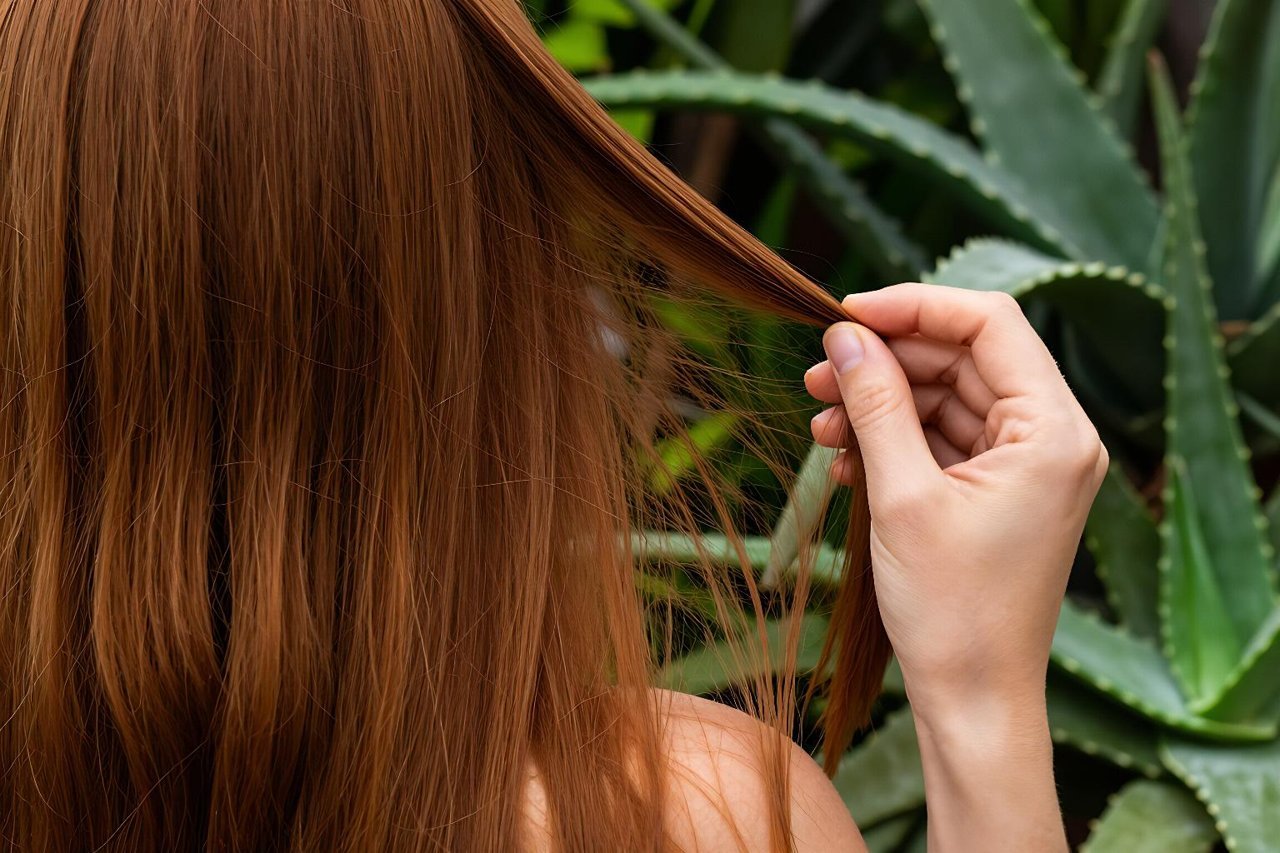
If you’ve noticed extra strands in the shower drain or a wider part in your ponytail, you’re not alone. Up to 50% of women experience noticeable hair loss at some point, yet most formulas on the market are still designed with men in mind. Female hair has its own rhythmic cycle, influenced by hormones, iron stores, and even thyroid function.
Women’s hair loss is rarely a single-fix problem. It’s often a slow, diffuse thinning across the crown, not a classic receding hairline. That means the supplement that works for your husband or your brother may not address what’s actually driving your shedding. A targeted hair growth supplement for women needs to factor in lower iron stores, oestrogen fluctuations, and the harsh reality that pregnancy and perimenopause change how your body uses nutrients.
Before you buy anything, it helps to learn exactly which ingredients have credible evidence behind them. A good formula combines vitamins, minerals, and botanicals that work together to extend the growth phase and strengthen the hair shaft itself.
Key Nutrients That Deserve a Spot in Your Routine
Iron and Ferritin
Iron deficiency is one of the most common causes of hair shedding in women, especially if your periods are heavy or you follow a plant-based diet. Your hair follicles are metabolically hungry, and when iron levels drop, your body prioritises organs over non-essential tissues like hair.
Ask your doctor for a ferritin test, not just a basic blood count. Many dermatologists recommend a ferritin level above 40 ng/mL for optimal hair growth, while routine labs often flag “normal” at anything above 12. That’s a huge gap. A targeted supplement with a moderate dose of iron, say 18 mg, can help if you test low. Don’t take iron blindly though, because excess iron has its own problems.
Vitamin D
Vitamin D receptors are present in the hair follicle, and low levels have been linked to several forms of hair loss. This is one nutrient where a surprisingly large number of women come up short. If you spend most of the day indoors or live in a gloomy climate, a supplement with 1,000 to 2,000 IU per day is a sensible baseline.
Unlike iron, you can’t get vitamin D in meaningful amounts from food alone. A supplement is often the most reliable way to maintain a level that supports healthy follicle cycling.
Omega-3 Fatty Acids
Inflammation is a silent saboteur of hair growth. Omega-3s, particularly EPA and DHA, help calm the inflammatory response that can push follicles into a resting phase. One study on women with thinning hair found measurable improvements in hair density after six months of fish oil supplementation. Aim for a formula that provides at least 1,000 mg of combined EPA and DHA, and look for something that also pairs it with antioxidants.
Zinc and Selenium
Zinc supports protein synthesis and tissue repair, two processes your hair leans on heavily. Selenium works together with zinc to protect the hair follicle from oxidative stress. In one clinical trial, a formula combining zinc, selenium, and other trace minerals was shown to increase hair strength in women with temporary shedding. Just don’t go overboard: too much zinc can trigger nausea and actually worsen hair loss, so stick close to the recommended daily value.
Collagen Peptides
Collagen is not a quick fix, but it provides the amino acids your body uses to build keratin, the protein your hair is made of. Research has shown that oral collagen supplements can boost hair thickness and shine after around 12 weeks. The key is choosing hydrolysed collagen, which is easier for your body to absorb. Some hair supplements include 2.5 to 5 grams of collagen alongside vitamins, which can be helpful if you don’t want to take a separate powder.
Botanical Extracts That Go Beyond the Basics
Beyond vitamins and minerals, certain plant extracts have earned a reputable spot in hair care. The best ones work with hormonal pathways rather than drowning you in synthetic chemicals.
Pumpkin Seed Extract
Pumpkin seed oil has genuine research behind it for female-pattern hair loss. One randomised trial showed that women taking pumpkin seed oil for four months experienced a 17% increase in hair count, likely due to its effect on the enzyme 5-alpha-reductase, which converts testosterone into the inflammatory DHT. If you’re curious how the compounds in these seeds work, this breakdown of pumpkin seed benefits explains the full picture.
Pine Pollen
Pine pollen is less studied but increasingly popular among women in perimenopause. It contains natural phytoandrogens that may help balance oestrogen and testosterone levels as your own hormones start to fluctuate. The research on pine pollen benefits is still early, but many women report less shedding when they add it to their routine. Look for a product that specifies the species of pine and whether the pollen has been cracked or fermented for better absorption.
Pygeum Bark
Pygeum africanum is sometimes thought of as a men’s supplement because it’s often used for prostate health, but it has anti-inflammatory properties that can benefit women too. It works by reducing androgen sensitivity in tissues, which may help stem hair fall in women with hormonal sensitivity. For a closer look at its active compounds and uses, check out these pygeum benefits.
Biotin: The Big Exception
Every hair supplement on the shelf seems to be stuffed with biotin, and for good reason: it is essential for keratin production. But here’s the catch: true biotin deficiency is rare, and taking a 10,000 mcg powerhouse dose won’t make your hair grow faster if your body already has enough. In fact, megadoses can interfere with lab tests for thyroid function and cardiac markers.
A sensible dose is 30 to 100 mcg if you want to cover a gap, plus a good multivitamin base. What you actually need, far more than biotin, is a spectrum of nutrients that work together. The magic is in the team, not the superstar.
How to Choose a Women’s Hair Supplement That Isn’t Trash
- Third-party tested: Check for labels from NSF International, USP, or Informed Choice so you know what’s in the bottle is actually what’s on the label.
- Appropriate dosages: Compare the amounts to clinical doses, not just the % Daily Value. Some vitamins (like vitamin D) have outdated RDA values.
- Bioavailable forms: Look for methylated B vitamins, chelated minerals, and marine or food-based ingredients rather than cheap synthetic compounds.
- Clear allergen and filler list: Avoid proprietary blends that hide exact doses and steer clear of unnecessary cellulose binders.
- Women-specific formula: It should include at least some iron, vitamin D, and omega-3s, which are the consistent deficiencies in female hair fall.
Price alone doesn’t indicate quality, but the very cheapest bottles often cut corners on ingredient forms and independent testing. That doesn’t mean you need to spend £60 a month either. Find a reputable mid-range brand that publishes its certificates of analysis.
Why Supplements Only Work If You Fix the Rest
A great hair growth supplement for women cannot out-supplement a daily diet of processed food, chronic sleep deprivation, or a crushing cortisol load. Stress is one of the greatest drivers of telogen effluvium, the kind of hair loss that comes on suddenly a few months after a stressful event or illness. Prioritising sleep, eating enough protein (at least 60 grams a day), and managing stress will multiply the benefits of anything you’re taking.
Gentle scalp massage has also shown potential to increase hair thickness. A daily five-minute massage stimulates blood flow and stretches the dermal papilla cells, which mechanical stress can actually promote in healthy directions. It’s not a substitute for a supplement, but it’s an easy addition to your bedtime routine.
What a Realistic Timeline Looks Like
Hair grows about a third of an inch per month, and the cycle from start of growth to shedding lasts two to six years. That means you cannot expect a brand new head of hair in two weeks, no matter what the advertising promises. If you’ve corrected a deficiency or started a promising botanical, the earliest signs of improvement typically appear at three months. Shedding often slows first, then new baby hairs appear along the hairline, and thickness builds gradually after six to twelve months.
Photographing your scalp in the same lighting each month is far more reliable than trying to judge in the mirror. If you notice a porthole-like bald spot, sudden shedding accompanied by itching, or a rash, that’s not a supplement issue. See a dermatologist to rule out alopecia areata or traction alopecia before spending more money.
In the end, the best hair growth supplement is a well-formulated women’s blend you’re actually willing to take daily, alongside a diet that isn’t fighting against it. Consistency beats intensity. Choose a formula with credible dosages, run your iron and vitamin D labs, and give it a good, uninterrupted season of your time.
