 1-800-656-4211




Blog
Whey Protein Powder for Muscle Gain: The Practical Guide to Getting It Right

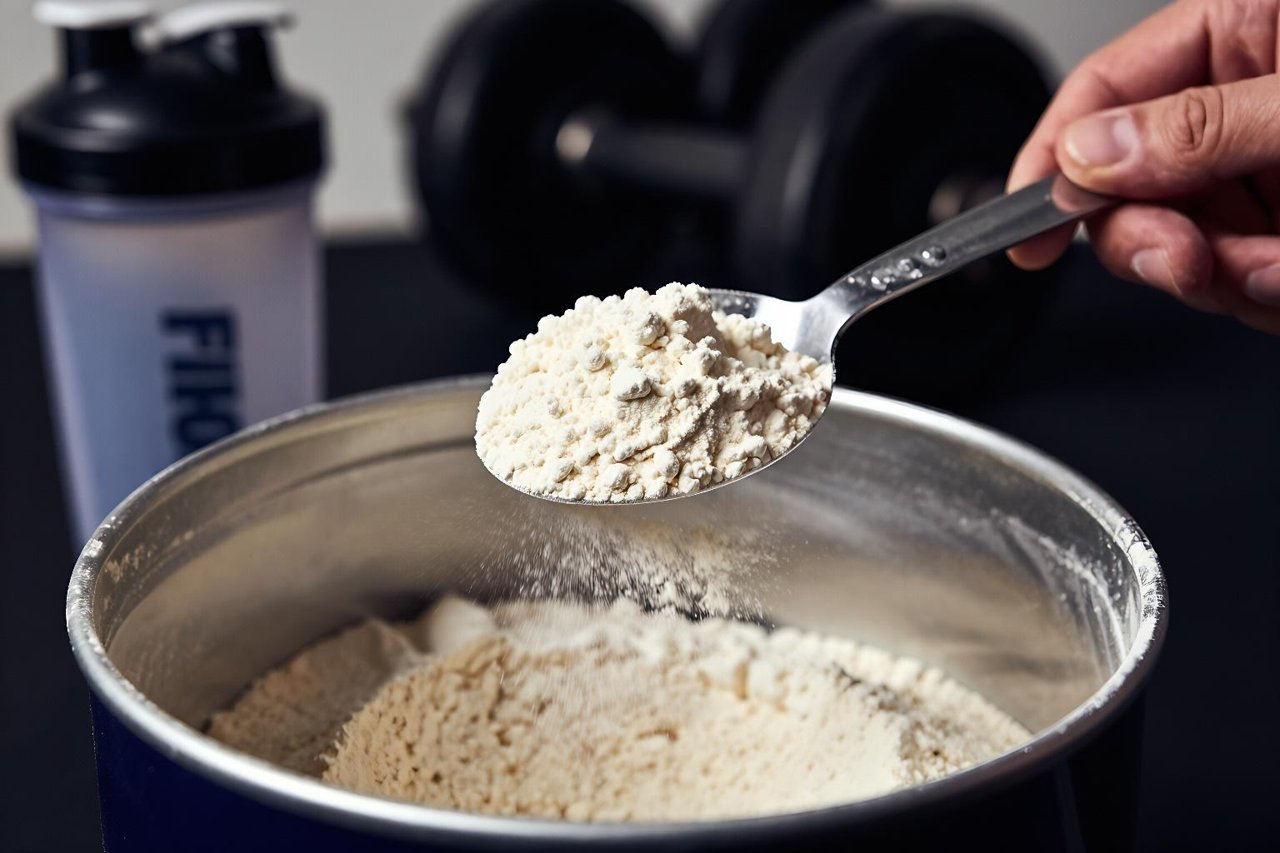
Most gym bags have a tub of whey protein powder in them. It’s been a staple for lifters for decades, and for good reason. Whey is a complete protein that’s easy to mix, tastes decent, and has a well-earned reputation for supporting muscle gain. Yet the way most people use it is often based on habit, not evidence. The difference between a shake that helps you grow and one that just wastes money comes down to a few key details — the type of whey, the dose, the timing, and the quality of the product.
This guide walks you through each of those factors, so you can stop guessing and start building. No fluff, no marketing talk — just what the research and real-world experience say about using whey protein powder for muscle gain.
What Makes Whey Protein So Effective for Muscle Gain?
Whey is a complete protein, meaning it contains all nine essential amino acids that your body can’t produce on its own. More importantly, it’s particularly high in leucine, the amino acid that acts as the main trigger for muscle protein synthesis. That’s why whey is often considered the gold standard for muscle building.
The Leucine Trigger
Think of leucine as the switch for muscle growth. Research shows that to maximise the muscle-building response from a meal, you need around 2 to 3 grams of leucine. A typical 30-gram scoop of whey delivers about 2.5 grams, which means one shake is enough to flip that switch. This is one of the main reasons whey is so effective compared to lower-quality proteins.
Fast Absorption and Convenience
Whey digests quickly, so it raises blood amino acid levels within 30 minutes. That makes it a practical choice when you need protein fast, like after training, in the morning, or whenever you’re too busy to sit down for a meal. But speed alone doesn’t build muscle; it just makes hitting your total protein target easier.
Types of Whey: Which One Should You Choose?
Not all whey protein powders are the same. Depending on how the milk protein is processed, you get three main types: concentrate, isolate, and hydrolysate. Each has a different protein content, digestion speed, and price point.
Whey Protein Concentrate
Concentrate is the least processed form and typically contains 70 to 80 percent protein, with the rest coming from lactose, fat, and beneficial compounds called bioactive peptides. If you’re not lactose intolerant and you’re not cutting every last gram of fat, whey protein concentrate is often the underrated option that saves you money without sacrificing results.
Whey Protein Isolate
Isolate goes through extra filtering to remove most of the fat and lactose, which pushes the protein content above 90 percent. It’s the right choice if milk proteins upset your stomach or if you need an extremely low-carb, low-fat protein source. The trade-off is that isolate costs significantly more per serving, and that extra cost doesn’t automatically mean more muscle.
Whey Protein Hydrolysate
Hydrolysate is pre-digested with enzymes to break protein chains into smaller fragments. It absorbs faster than even isolate and can cause a modest increase in insulin release. But for most lifters, the real-world difference in muscle gain is negligible. You’re paying a premium for a marginal speed advantage that likely won’t affect your long-term progress.
How Much Whey Protein Do You Actually Need for Muscle Gain?
Your body needs a certain amount of total protein each day to maintain and build muscle. The scientific consensus for muscle gain is roughly 1.6 to 2.2 grams per kilogram of body weight. For a 75-kilogram person, that’s 120 to 165 grams of protein spread across the day. Whey should be used to fill the gaps in your diet, not to replace real food.
- Calculate your daily protein target: 1.6–2.2 g/kg of body weight.
- Track your meals for a few days to see your baseline protein intake.
- Add one or two scoops of whey when you come up short.
- Spread protein evenly across 3–5 meals or snacks.
- Don’t rely on whey for more than 30–40% of your daily protein.
Taking more whey than you actually need doesn’t automatically build more muscle. Once your protein requirement is met, the excess is either oxidised for energy or stored. Consistency over weeks and months matters far more than any single mega-dose shake.
When to Take Whey Protein: The Anabolic Window Myth
You’ve probably heard that you have a 30-minute post-workout window during which you need to chug a shake or you lose your gains. This is one of the most persistent myths in the fitness industry. The so-called anabolic window is actually much wider, anywhere from a few hours before training to a few hours after, depending on when you last ate. What truly matters is your total protein intake for the day.
That said, whey is still a convenient choice after training because it’s fast to mix and easy to take with you. Just don’t become a slave to the clock. If you’ve had a solid meal with protein a couple of hours before lifting, the post-workout shake isn’t urgent.
Whey Protein vs. Whole Food: Which Is Better for Muscle Gain?
Whey protein is convenient, but it’s still a supplement. Whole foods like chicken, beef, eggs, fish, and dairy provide protein along with other nutrients: iron, zinc, B vitamins, and healthy fats that support overall health and performance. You can’t get those from a scoop of powder. For muscle gain, your meals should be built around whole proteins, with whey used to hit your daily target when real food isn’t practical.
Another thing to consider is satiety. Whole food proteins take longer to digest and keep you feeling full longer, which can help you control your appetite while eating a calorie surplus. Liquid calories from whey pass through the stomach quickly, which is great post-workout but less useful if you’re trying to feel satisfied between meals.
Common Mistakes That Sabotage Your Muscle Gains
Even with a high-quality whey powder, you can miss your goals if you fall into common traps. Here are the biggest ones to avoid:
- Using whey shakes to make up for a poor overall diet that’s not in a calorie surplus.
- Buying the cheapest powder without reading the label, which often means low-quality filler.
- Only having one shake per day and missing your total protein target.
- Replacing whole meals with whey, which lacks the fibre, micronutrients, and thermic effect of real food.
The most expensive mistake is trusting the front of the label without understanding what’s actually inside. That’s exactly why what the label won’t tell you about your protein powder can explain a stall in progress. Some products use amino acid spiking to inflate the crude protein number, leaving you with a powder that delivers less usable whey than you think.
How to Choose a Quality Whey Protein Powder
You don’t need a chemistry degree to find a good product. Start by looking for third-party certifications such as Informed Choice or NSF Certified for Sport. These ensure the product has been tested for banned substances and that the protein content matches the label. It’s a simple step that filters out a lot of junk.
Read the ingredient list and be wary of words like ‘proprietary protein blend’, as they let brands hide cheap amino acids and fillers. If you’re on a budget, whey protein concentrate deserves another look because it costs less per gram of protein than isolate, and the small amount of extra lactose and fat won’t hurt progress for most people.
Finally, compare products by the grams of protein per serving, not the size of the scoop. And learn to read past the label when evaluating brands. A simple ingredient list with whey concentrate or isolate as the only protein source is usually the safest bet.
