 1-800-656-4211




Blog
Grass Fed Whey Protein Powder: What the Label Really Gets You

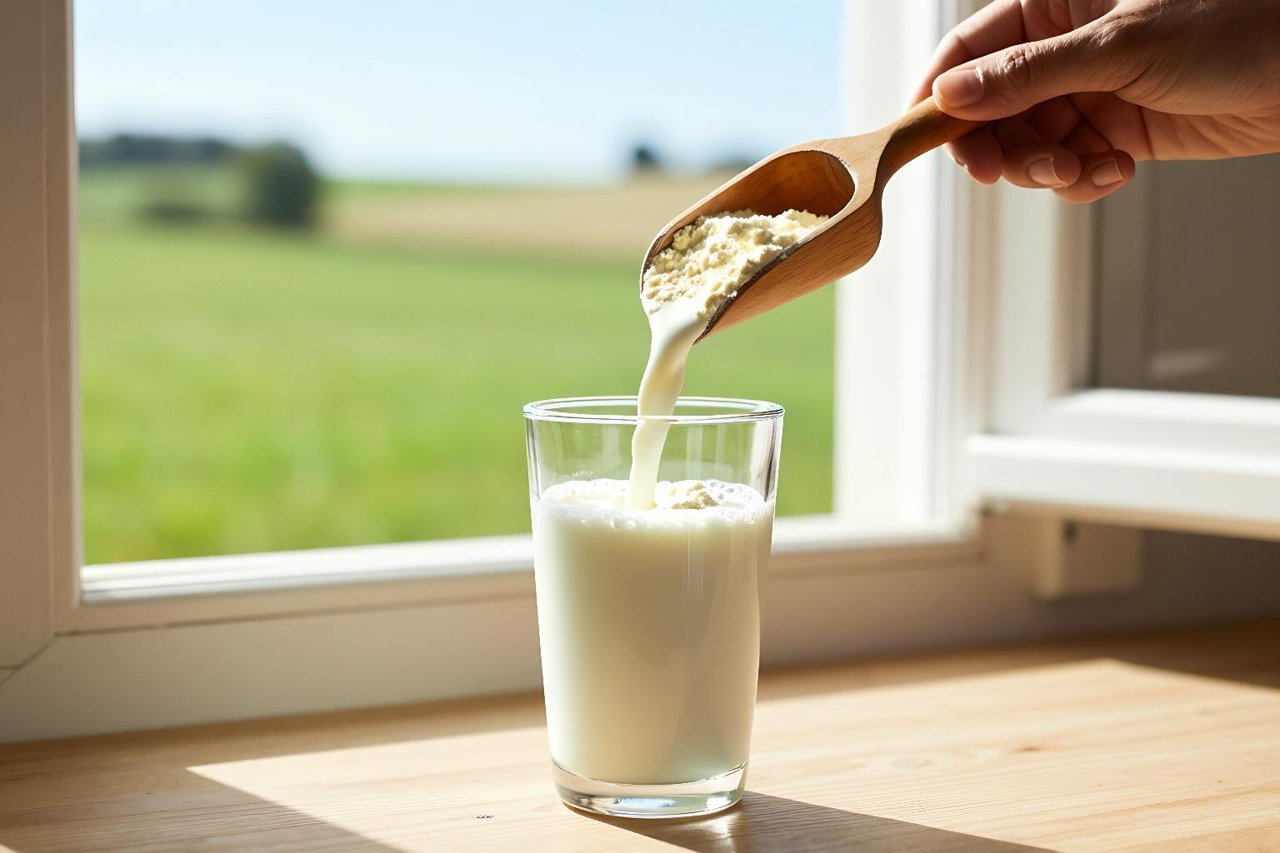
Pick up two tubs of whey protein and you might find a $30 difference in price. One is standard whey, the other is grass fed whey protein powder. For anyone who just wants to hit their daily protein target, that extra cost feels unnecessary. But for many people, it’s about more than amino acids. Cows that live on grass produce milk with a different nutritional profile—and they’re also raised with different practices. Let’s unpack the real differences, the claims, and the times when grass fed is worth the extra cash.
What Does Grass Fed Actually Mean?
On a food label, “grass fed” refers to what an animal ate, not how old it was or how much time it spent outside. For milk cows, a grass-fed diet usually means pasture or preserved grass (hay, silage) as the main source of energy. Many dairy cows in conventional systems eat corn, soy and grain to increase milk yield. Grass fed cows may still get some grain in winter or early lactation, but the focus is on forage. That difference changes the chemistry of the milk.
Take New Zealand as an example. Most dairy herds there are pasture-fed year round because the climate allows it. In the US, pasture feeding happens mainly during warmer months. That’s why you’ll see a range of “grass fed” standards.
What’s Actually Different Inside the Scoop?
The most studied difference between grass fed and grain fed milk is its fat. Grazing on fresh grass raises levels of omega-3s and conjugated linoleic acid (CLA). Research in the Journal of Dairy Science found pasture-fed milk can have up to twice the CLA and around 50% more omega-3s compared to milk from cows fed a grain-based diet.
But here’s where it gets tricky. Whey protein powder is a byproduct of cheese-making. Milk is separated into curds and liquid whey. The fat is largely removed during processing. That means most of those omega-3s and CLAs—which are carried in butterfat—never make it into the final powder. You’ll only get a meaningful fatty acid edge if the whey retains some milk fat, which is more common in whey protein concentrate than isolate.
What about the protein itself? The protein structures in milk are largely the same regardless of cow diet. Casein, alpha-lactalbumin, and beta-lactoglobulin are not affected by grazing. So gram for gram, grass fed whey protein powder delivers an equivalent amino acid profile to regular whey.
Some grass-fed brands do test for higher glycomacropeptide (GMP) levels because of the way cheese is made, but that’s more about processing than pasture.
Hormones, Antibiotics, and Clean Label
The bigger argument for grass fed whey might be what’s absent. In the US, conventional dairy farms can use recombinant bovine growth hormone (rBST) to boost milk production. Grass-fed dairy farms almost never use it. They also tend to use antibiotics more carefully, since healthy cows on pasture don’t need them as often.
If you look at a grass fed whey tub, the ingredient list is usually shorter: whey protein, sunflower lecithin for mixability, and some natural flavouring. No artificial colours, no sucralose, no maltodextrin. For people who are sensitive to sweeteners or just prefer less processed food, that alone can justify the price.
Does Grass Fed Whey Taste Different?
It can. Not because grass adds a flavour, but because how the whey is processed matters. Many grass-fed brands use low-heat filtration and avoid harsh chemical de-mineralisation. That can result in a milder, less “farmy” taste. Some also use stevia or coconut sugar instead of artificial sweeteners, so the mouthfeel and aftertaste are different.
That said, the cheaper commodity whey isn’t necessarily bad. It just often contains more processing aids. If you do a blind taste test between an unflavoured grass fed whey and an unflavoured conventional whey, most people will notice the grass-fed one tastes cleaner and less sour. The difference is small in chocolate or vanilla, though.
The Ethical and Environmental Trade-Offs
Grass fed dairy is generally better for the soil than concentrated animal feeding operations (CAFOs). Rotational grazing lets pasture regrow, improves water retention, and stores carbon in the soil. Cows that are on pasture also show more natural behaviors—grazing, walking, lying down in open shade.
But it’s not a perfect system. Pasture-raised cows still emit methane. A grass-fed cow can actually produce more milk over its lifetime than a confined cow, but the per-gallon environmental footprint varies. If animal welfare is your main concern, grass fed whey from a certified farm is a step up. If you’re driven purely by environmental footprint, look for brands that practice regenerative grazing, not just pasture access.
How to Choose a Grass Fed Whey Protein Powder
Not every product that says “grass fed” is created equal. You need to verify the source. Here are the things that matter most:
- Third-party certification: Look for an official grass fed label like the American Grassfed Association (AGA), or a farm that publicly states its grazing year-round. If a brand only has “grass fed” in the product name, email them and ask for their standards.
- Protein per scoop: Most grass-fed whey isolates deliver 22–25 grams of protein per 30-gram scoop. Avoid products with amino spiking, where they add cheap free-form amino acids to pad the nitrogen count.
- Processing method: Look for “cold processed” or “low temperature” labels if you want more intact peptides. Also check whether it’s a concentrate or isolate; isolate is lower in lactose and fat.
- Source country: Whey from New Zealand or Ireland usually comes from herds that are predominantly pasture-raised due to climate, so it’s more likely to meet the grass-fed standard than whey from the US Corn Belt.
- Ingredients: Choose a product with minimal ingredients. If you see “natural flavouring” and not much else, that’s a good sign.
How Much Should You Expect to Pay?
A 5-pound tub of grass fed whey protein powder typically costs between $65 and $90, while a conventional tub of similar size is often $40–$60. If you use one scoop per day, the premium works out to under a dollar a day. That’s less than a cup of coffee.
If you’re training seriously and eating enough protein, a premium of that size is manageable. But if you’re on a tight budget, regular whey isolate will still get you the same leucine content and muscle-building response. The grass fed version is a “nice to have,” not a must-have.
So which one should you choose? Both options will help you hit your protein goals. The difference is in how the milk was produced and what’s left out of the tub. If you care about clean labels, better farming conditions, and a slightly different fatty acid profile, grass fed whey protein powder is worth the premium. If you just need protein on a budget, conventional whey will still get the job done. Whichever you pick, choose a brand that’s honest about its sourcing.
