 1-800-656-4211




Blog
Iron Pills for Anemia: What Actually Works, What Doesn’t, and What to Know Before You Start

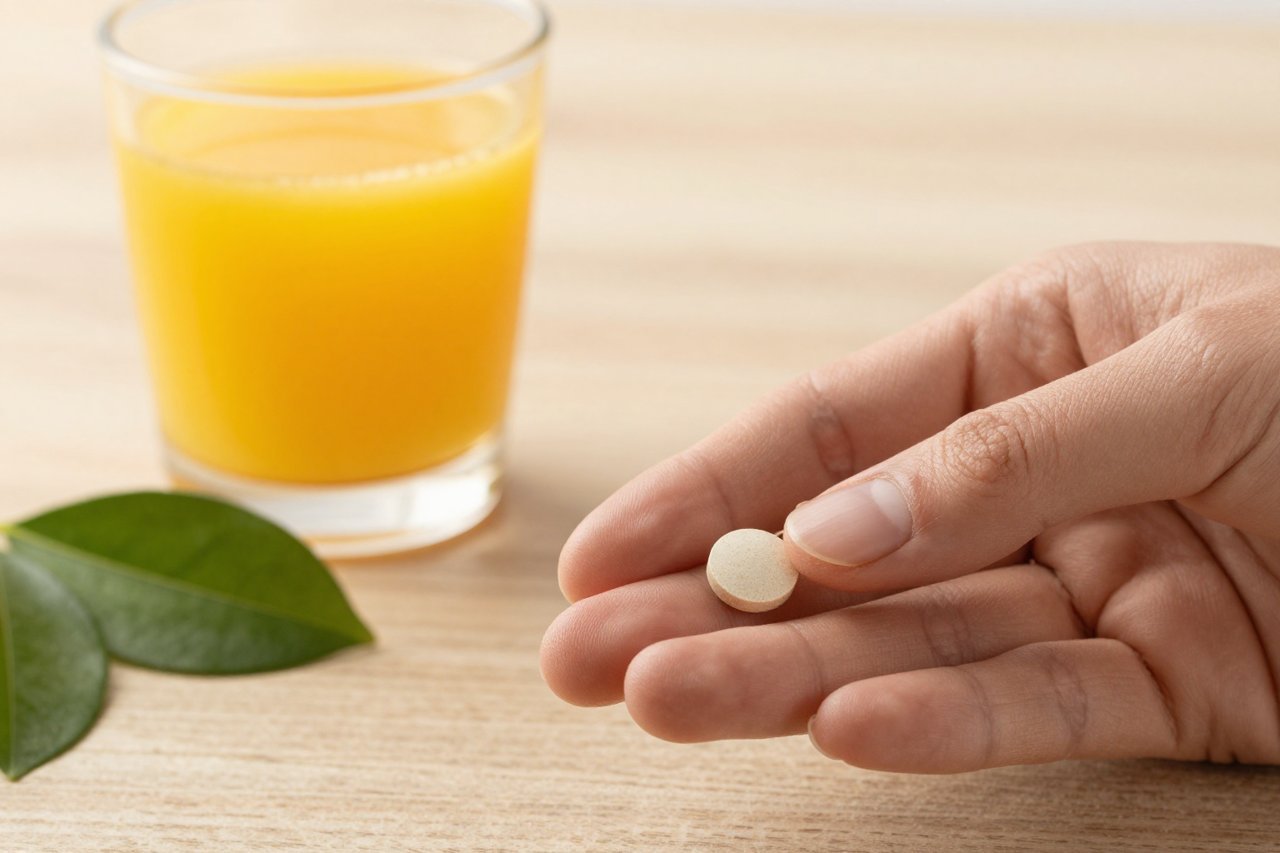
If you’ve just been told your hemoglobin is low, your doctor likely scribbled a prescription for iron pills and sent you on your way. But iron pills for anemia aren’t as simple as popping a tablet and waiting for the color to return to your cheeks. The type of iron, the dose, the timing, and even the food on your plate can change whether you actually absorb the iron or just end up with constipation and no improvement. Here’s a realistic look at how to make iron supplements work for you.
What Is Iron Deficiency Anemia, Exactly?
Anemia happens when your body doesn’t have enough healthy red blood cells to carry oxygen to your tissues. Iron deficiency is the most common cause, because iron is a core building block of hemoglobin – the protein inside red blood cells that grabs oxygen in your lungs and releases it into your body. Without enough iron, your bone marrow can’t produce enough hemoglobin, and every cell in your body ends up running on fumes.
Iron pills work by topping up that raw material supply. When you swallow iron, your small intestine absorbs what it can and sends it into the blood, where it binds to transferrin and gets carried to the bone marrow. The rub? Absorption rates are notoriously low – typically 10% to 30% of the iron you swallow, depending on the form, your current iron levels, and what you eat alongside it.
Choosing an Iron Supplement That Isn’t a Waste of Money
The pharmacy shelf is crowded. Ferrous sulfate, ferrous fumarate, ferrous gluconate, iron bisglycinate, heme iron, carbonyl iron. It’s tempting to grab the cheapest bottle, but the differences matter.
Ferrous Sulfate – The Standard
Most doctors start with ferrous sulfate because it’s cheap, widely available, and contains a generous amount of elemental iron. A typical 325 mg tablet contains 65 mg of elemental iron, and that’s often enough. The catch? Up to one in four people gets nausea, stomach pain, or constipation from it. If you’ve had trouble with it, that doesn’t mean iron pills are off the table – it means you should look at a different form.
Iron Bisglycinate – Easier on the Stomach
Iron bisglycinate (sometimes called ferrous bisglycinate) is chelated, meaning the iron is bonded to an amino acid. This keeps it from breaking down in the stomach as aggressively, which lowers the rate of gastrointestinal side effects. Absorption is also less affected by food and other minerals. It’s a bit more expensive, but for many people it’s the difference between giving up and successfully treating anemia.
Slow-Release and Enteric-Coated – Not Always Better
Slow-release iron pills are designed to release iron further down the digestive tract to reduce stomach upset. The problem is that the part of the small intestine that absorbs iron best is the very first section, the duodenum. If the iron doesn’t dissolve until the lower small intestine, you might bypass that prime absorption real estate. A study in the Journal of Nutrition found that some slow-release products result in significantly lower iron absorption compared to plain ferrous sulfate. Not always, but it’s worth knowing.
Liquid Iron – A Different Route
Liquid iron is absorbed quickly and can be gentler, but it stains teeth and tastes like metal. You can use a straw and rinse afterward, but if you’re sensitive to taste, it’s not a fun journey.
How Much Iron Should You Take?
Too little won’t fix anemia. Too much can cause iron overload, which damages your liver and heart. Your daily dose depends on your age, sex, and how deficient you are. For an adult with iron deficiency anemia, a common dose is 100 to 200 mg of elemental iron per day, often split into two or three smaller doses. For context, the Recommended Dietary Allowance for iron in healthy premenopausal women is 18 mg – but that’s for maintenance, not correction of an existing deficiency. A doctor might order testing to tailor the dose. A complete blood count plus ferritin (your stored iron) gives a clear picture. Never guess.
The Right Way to Take Iron Pills for Anemia
Timing and pairing can make a dramatic difference between absorbing 8% of the iron and absorbing 25%.
Take Iron on an Empty Stomach or With Vitamin C
On an empty stomach, iron absorbs best. Wait 30 minutes before or one hour after a meal. If that’s too harsh, eat a small amount of food – but avoid dairy, tea, coffee, and whole grains in that meal. Vitamin C enhances absorption, so take it with a glass of orange juice or a vitamin C supplement. A 2015 study showed that 250 mg of vitamin C increased iron absorption from a meal by about 30%.
Space Out Doses a Few Hours Apart
If you’re taking 200 mg total, don’t swallow it all at once – not only will it be harder on your stomach, but your intestine absorbs less when the dose is large. Split it into two or three doses spaced two to three hours apart. Your body simply has a limited amount of transferrin to carry iron.
What to Avoid at the Same Time
Calcium, tannins, and phytates all interfere with absorption. That means don’t take iron within two hours of:
- Milk, yogurt, cheese
- Antacids or calcium supplements
- Tea and coffee
- High-fiber grains like bran and whole-grain bread
- Foods high in oxalates like spinach
It’s not that those foods are bad – it’s that they shouldn’t be in your stomach at the same time as your iron pill.
Side Effects You’ll Probably Experience (and What to Do)
Let’s be honest – iron pills cause side effects. Stomach cramps, nausea, and constipation are the most common. And here’s the one that might freak you out: your stools can turn dark green or black. That’s completely harmless – it’s just the unabsorbed iron passing through. Don’t stop taking the pill because of it.
To reduce nausea, try taking the pill with a small piece of food, even if it’s just a spoonful of applesauce. Constipation can be addressed with fiber-rich foods, but be careful not to take iron within two hours of that fiber. Consider a stool softener if needed. If you absolutely can’t tolerate the side effects, tell your doctor. Switching to iron bisglycinate or reducing the dose often solves the problem.
How Long Do Iron Pills Take to Work?
Some people start feeling better within a few days, but that’s not the norm. Your body needs to absorb enough iron to make new red blood cells, and red blood cells take about two weeks to mature. A common timeline:
- 3-7 days: Some people notice increased energy, but not reliable.
- 2-3 weeks: Hb levels start, and you usually feel a clear lift in energy and focus.
- 4-8 weeks: Hb levels should return to normal if the dose is adequate.
- 8-12 weeks: Ferritin – your stored iron – starts to rebuild.
Even if your blood counts look normal by two months, don’t stop taking the iron unless your doctor says to. Your ferritin might still be low, and stopping early can cause anemia to rebound. Typical treatment lasts at least three to six months.
Who Should Be Cautious About Iron Pills?
Iron isn’t a harmless vitamin. Extra iron can be dangerous, so certain people need close monitoring.
- Men and postmenopausal women don’t need iron as readily, so anemia in these groups often signals bleeding from the GI tract, and iron pills mask the real problem. A doctor should always investigate.
- People with hemochromatosis (iron overload) should never take iron without medical supervision.
- People with Crohn’s disease, ulcerative colitis, or other GI disorders may absorb iron differently and might need IV iron instead of pills.
- People on thyroid medication or certain antibiotics, because iron alters their absorption.
When Iron Pills Aren’t Enough
Iron tablets work about 80% to 90% of the time for uncomplicated iron deficiency. But if you’ve been taking them consistently and your Hb hasn’t budged after two to three weeks, your doctor may consider other options.
IV iron is given for people with moderate to severe anemia who can’t tolerate oral iron, have malabsorption issues, or need rapid correction before surgery. It’s more expensive and carries a small risk of allergic reaction, but it bypasses the digestive tract entirely, giving immediate improvement.
Dietary changes alone rarely fix iron deficiency anemia, but a whole-foods diet rich in heme iron (meat, fish, poultry) and non-heme iron (beans, lentils, dark leafy greens) can help maintain healthy stores once your blood levels are back to normal.
Above all, treat iron pills as a tool, not a fad. Check your ferritin after treatment, get in the habit of taking them correctly, and don’t be afraid to ask for a different formulation if your current one isn’t cutting it. The right iron pill should be a quiet signal to your body that things are back on track – not a screaming battle between you and your stomach.
