 1-800-656-4211




Blog
Akkermansia Probiotics: The Gut Mucus Microbe That’s Shaking Up the Supplement World

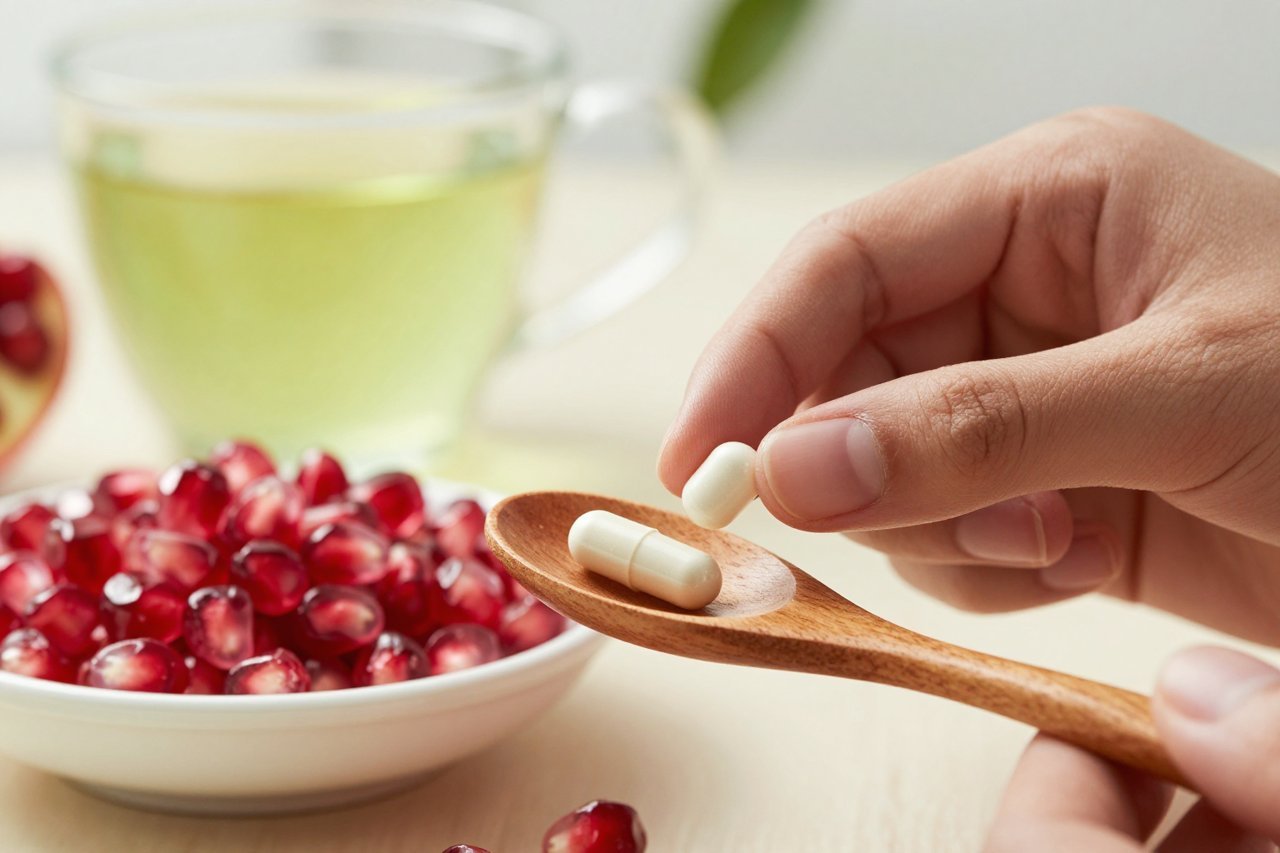
Walk down the supplement aisle at any big pharmacy and you’ll see the usual suspects: Lactobacillus, Bifidobacterium, and Saccharomyces boulardii. Akkermansia probiotics are a newer, more unusual addition.
Akkermansia muciniphila is an anaerobic bacterium that lives in the mucus lining of your intestine. It’s been part of the human gut for millions of years and typically makes up about 3% of a healthy adult’s gut microbes. But unlike familiar yogurt strains, it’s oxygen-sensitive and notoriously hard to grow. That’s why it only reached the supplement market in the last few years.
What Exactly Is Akkermansia muciniphila?
Discovered in 2004 by a Dutch team at Wageningen University, Akkermansia muciniphila is named after microbiologist Antoon Akkermans. The species name means “mucus-loving” because it feeds on mucin, the gel-like protein that makes up your intestinal mucus. Rather than breaking down dietary fibre, it lives in the mucus layer and uses that gel as a food source.
A resident of the gut’s frontier
Your gut lining secretes a protective mucus barrier, and Akkermansia makes its home right inside it. As it digests mucin, it releases acetate and propionate, short-chain fatty acids that feed other microbes and send signals to your immune system. It also encourages your gut to make more mucin, which keeps the barrier thick and resilient. This careful balance is one reason researchers call it a keystone species.
Why Akkermansia Probiotics Matter
The 2019 human trial
Akkermansia impressed scientists in animal studies for years, but the real turning point came in 2019. A randomised, controlled human study published in Nature Medicine gave 32 overweight, insulin-resistant adults either live Akkermansia, pasteurised Akkermansia, or a placebo for 12 weeks. The pasteurised group experienced better insulin sensitivity, lower LDL cholesterol, and reduced inflammation markers. The live group showed smaller benefits, and the placebo group stayed the same.
That trial used Akkermansia muciniphila strain DSM 33459 at a daily dose of 10 billion cells. Those details matter because strain and form influence results.
Metabolic health and blood sugar
People with type 2 diabetes and obesity tend to have very low Akkermansia levels. When researchers transplant the microbe into obese mice, the mice gain less weight and handle glucose better. The human data is early, but it has turned Akkermansia into one of the most promising next-generation probiotics.
Intestinal barrier and immunity
Akkermansia sits exactly where the gut meets the immune system. Its metabolites support regulatory T cells, which help dampen chronic inflammation. By shaping the mucus layer, it may also prevent bacteria and food fragments from leaking into the bloodstream. That helps explain why low Akkermansia numbers are tied to systemic inflammation.
Pasteurised vs Live Akkermansia
Most Akkermansia products sold today are pasteurised, meaning the bacteria are heat-killed. That seems odd for a probiotic, but it may be an advantage. Pasteurised cells don’t need to survive stomach acid or colonise the gut. Instead, their cell-wall components act like signalling molecules that interact with receptors in the gut lining.
The 2019 trial found pasteurised Akkermansia worked better than live on several markers. Heat-killed bacteria are also easier to store and manufacture consistently. Some brands still offer live Akkermansia in delayed-release capsules, but the strongest clinical evidence currently sits with the pasteurised form.
What to Look for in an Akkermansia Probiotic
- A named strain. Look for DSM 33459 or another strain with published human research. A label that says only “Akkermansia muciniphila” doesn’t guarantee the same effects.
- A real dose. The studied dose is 10 billion cells per day, often written as 1 × 10^10. If you only see “proprietary blend,” you don’t know what you’re getting.
- Pasteurised or live, indicated. Both are sold, but they’re not interchangeable. Know which one you’re buying.
- Third-party testing. Growing Akkermansia is expensive, so cheap products may be underdosed. Look for a certificate of analysis from an independent lab.
How to Support Akkermansia Naturally
If you don’t want to take a supplement, you can still encourage the Akkermansia you already have. Diet appears to play a large role in how much of it your gut hosts.
Polyphenol-rich foods
Pomegranate juice, red grapes, cranberries, green tea, and dark chocolate are full of polyphenols. Several human studies have found that polyphenol intake corresponds with higher Akkermansia abundance. A small 2012 study in Spain, for instance, saw Akkermansia levels rise after eight weeks of a polyphenol-rich diet.
Resistant starch
Cooked and cooled potatoes, greenish bananas, and uncooked oats supply resistant starch. Animal studies show it increases Akkermansia. Human results are more inconsistent, but resistant starch is a versatile gut-friendly carb anyway.
Time-restricted eating
Fasting gives your gut a break, and some clinical trials on fasting-mimicking diets have reported increased Akkermansia. The effect isn’t guaranteed, but eating within a 10 to 12-hour window is a reasonable habit to test.
Safety, Side Effects, and a Realistic Timeline
Akkermansia is a normal resident of the human gut, so supplements aren’t introducing a foreign species. Human trials so far have reported no serious adverse events. The most common side effect is temporary bloating in the first week or two.
The evidence base is much smaller than it is for traditional probiotics. If you’re immunocompromised, pregnant, or managing a chronic condition, discuss it with your doctor first.
If you do start an Akkermansia product, plan to take it for at least eight weeks. Changes in the gut microbiota happen slowly, and you may never feel a dramatic effect. The benefits are metabolic and structural, not stomach-churning. Pair the supplement with a fibre- and polyphenol-rich diet, and you’re giving your gut lining the best chance to maintain a strong barrier and a calm immune response. Whether that’s worth the price is your call, but the science is genuinely more interesting than most probiotic marketing you’ll see.
