 1-800-656-4211




Blog
Iron Pills for Anemia: The Side Effects Nobody Warns You About (And What to Do About Them)

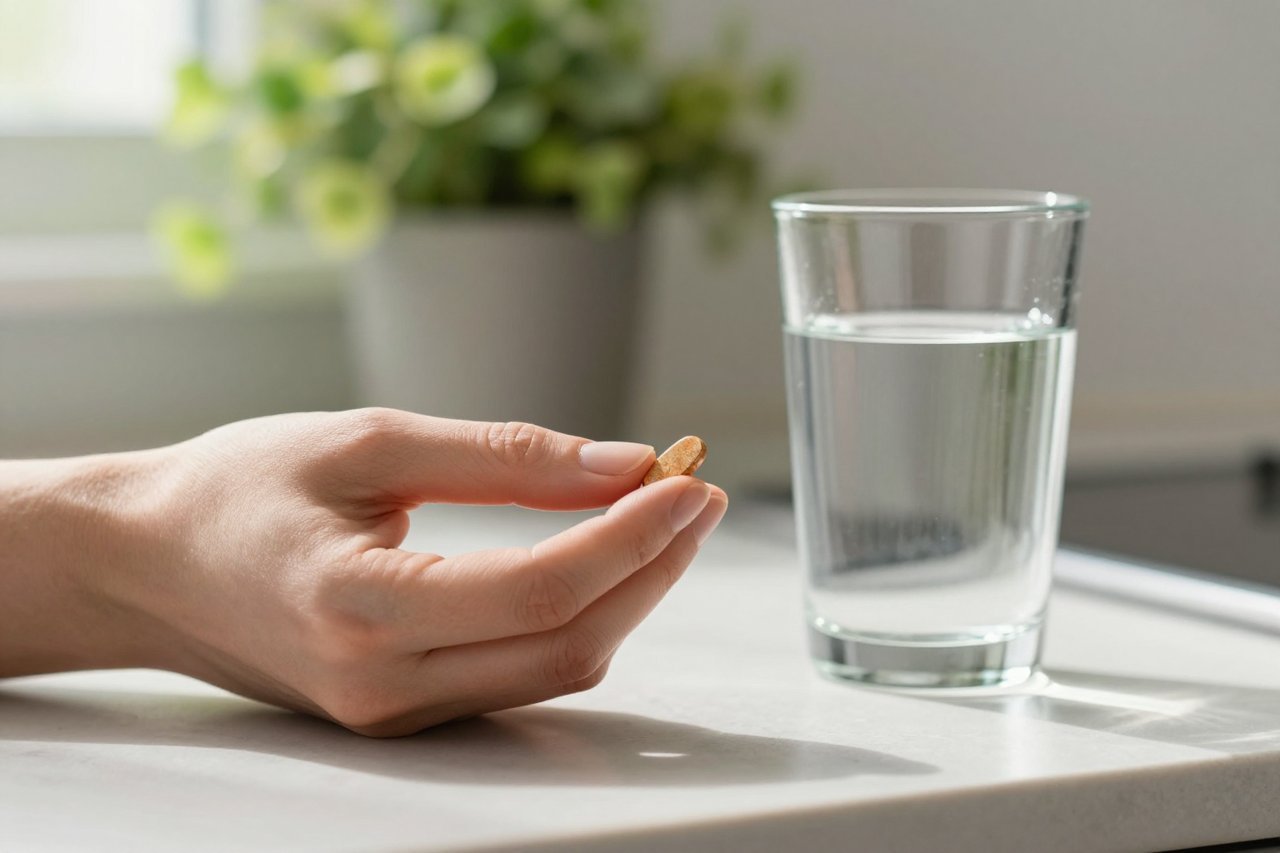
Day four is usually when it hits. The constipation first, then the low-grade nausea that sits just under your ribs, then a stool color that makes you genuinely consider calling someone. You started a pill to fix your hemoglobin and now you’re wondering whether it’s quietly wrecking your digestive tract instead.
You’re not being dramatic. The side effects of iron pills for anemia are the single biggest reason people abandon them — studies put non-adherence somewhere between 20% and 40%, and it’s almost never because someone forgot. It’s because the pill made them miserable and nobody explained what was normal, what was fixable, and what needed a phone call.
Here’s the practical version.
Why iron pills hit your gut so hard
A standard ferrous sulfate tablet is 325 mg, but only 65 mg of that is elemental iron. Of those 65 mg, you’ll absorb somewhere between 10% and 25% depending on how depleted you are, what you ate, and how much you’d already taken recently. The rest — the large majority — keeps travelling through your stomach and intestines.
That leftover iron is chemically reactive. It irritates the stomach lining, and in the colon it interferes with how your gut bacteria and bowel muscle behave. Iron also triggers a hormone called hepcidin, which rises after you swallow a dose and stays elevated for roughly 24 hours, blocking further absorption. Take a pill every single day and you keep the door shut on yourself — which means more unabsorbed iron sitting in the gut, and more side effects.
The side effects most people get
Constipation
This is the big one, reported by roughly a quarter to a third of people on oral iron. Stools get hard, less frequent, and genuinely uncomfortable to pass. For some it tips into actual impaction territory within a couple of weeks.
Nausea and stomach cramps
Worse on an empty stomach, which is unfortunately how the pill is usually recommended. The cramping tends to sit high, in the upper abdomen, and often eases if you take the tablet mid-meal instead — at some cost to absorption.
Dark, greenish-black stools
Almost universal, and completely expected. It’s unabsorbed iron oxidizing, not blood. The thing to watch for is a sticky, tar-like texture and a genuinely foul smell, which is different from the flat, dark-grey color iron produces.
Heartburn and reflux
Iron tablets can loosen the valve at the top of the stomach slightly. If you already take a proton pump inhibitor for reflux, you’re in a double bind — those drugs reduce acid, and you need acid to absorb iron properly.
The ones that catch people off guard
- Metallic taste. Usually fades within 20 minutes but is enough to put some people off eating.
- Stained teeth. Liquid iron supplements can leave grey-brown marks on enamel. Drinking through a straw and rinsing afterwards prevents most of it.
- Diarrhea. Less common than constipation but very real, particularly with higher doses or iron taken alongside magnesium.
- A false positive on a stool blood test. Iron can skew older guaiac-based screening tests. Tell your doctor you’re taking it before any bowel cancer screening.
- Headache and mild dizziness. Often a sign the dose is too high for you, not that iron is wrong for you.
Symptoms that mean you should stop and call someone
Most iron side effects are unpleasant but harmless. A small number aren’t. Get medical advice the same day if you notice:
- Black, tarry stools paired with dizziness, weakness, or a racing heart
- Severe abdominal pain, or vomiting that looks like coffee grounds
- Hives, facial swelling, wheezing, or a tight throat after a dose
- Joint pain, unusual fatigue, darkened skin, or an irregular heartbeat — particularly if you have hemochromatosis in the family or receive blood transfusions
That last group is worth taking seriously. Iron overload is rare in people treating straightforward iron-deficiency anemia, but it does happen, and the early signs are easy to write off as stress.
Fixes that actually make a difference
Before you give up on oral iron entirely, work through these. Most people find a combination that gets side effects down to a tolerable level within two weeks.
- Switch to alternate-day dosing. One tablet every other day often absorbs better than a daily dose, and causes noticeably less constipation. This has become standard practice in hematology.
- Cut the dose, not the supplement. Half a tablet daily frequently beats a whole tablet every other day for tolerability.
- Take 100 mg of vitamin C with the tablet. It helps absorption, which means less unabsorbed iron in the colon.
- Separate iron from tea, coffee, calcium, and antacids by at least two hours. A cup of tea with breakfast can wipe out most of a dose.
- Build a stool routine. Increase fluid and fiber, and add a stool softener for the first month rather than waiting for a problem.
- Stay upright for 30 minutes after swallowing the tablet if reflux is your main complaint.
Sometimes the answer is a different formulation
Ferrous sulfate is cheap and well-studied, but it isn’t the only option. Ferrous gluconate carries less elemental iron per tablet, which makes it gentler. Iron bisglycinate is a chelated form many people tolerate far better, though the evidence for superior absorption is mixed. Carbonyl iron releases more slowly. Heme iron polypeptide is derived from animal blood and behaves differently again.
If you’ve tried two formulations and still can’t function, it’s worth reading up on which iron supplements actually work and which ones are mostly marketing before you spend money on a third.
What the first month realistically looks like
Days one to three are usually the worst — nausea peaks, and stools start changing. By the end of week one, most people have found a timing and dose that works. Constipation is the symptom most likely to persist, so treat it proactively instead of reactively.
Expect a repeat hemoglobin check around four weeks. A rise of 1 g/dL or more means the iron is working, even if you feel only marginally better. Retinol levels aside, the fatigue often lags behind the numbers by several weeks. Once your hemoglobin normalizes, most guidelines recommend continuing for another three months to refill your ferritin stores — which is exactly the period when people quit, because they feel fine and the pills are annoying. Stopping early is the most common route back to anemia within a year.
If your numbers haven’t budged after four weeks of consistent dosing, the problem isn’t your tolerance — it’s that something else is going on, whether that’s ongoing blood loss, malabsorption, or a dose that’s simply too low. That’s a conversation to have with your doctor rather than a reason to buy a stronger supplement. The guide to choosing and timing iron pills for anemia covers what to ask at that appointment.
Iron pills are unforgiving, but they’re also adjustable. Very few people genuinely cannot tolerate oral iron — most just haven’t found the right dose, form, and schedule yet.
