 1-800-656-4211




Blog
Electrolyte Powder Side Effects: Bloating, Cramps, and When to Worry

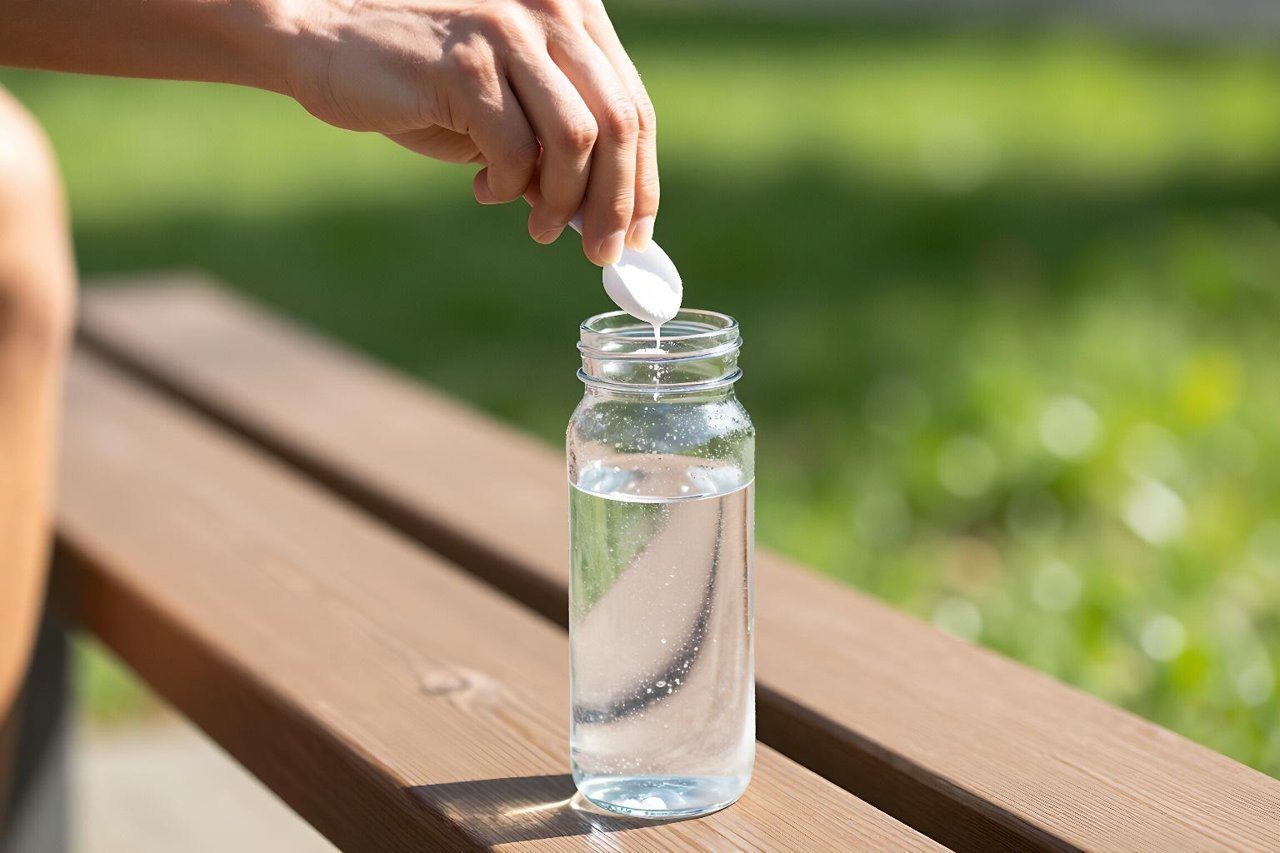
Electrolyte powder side effects do not usually arrive with drama. They show up as a swollen belly after a long run, a salty aftertaste that will not quit, a headache two hours after a bright-blue drink, or a 2 a.m. wake-up after an evening scoop. The products promise simple hydration. The reality is a packet of minerals, sweeteners, and sometimes stimulants that can push your body in directions you did not plan for.
None of this means electrolyte powders are bad. For a marathon runner sweating through a hot afternoon or someone recovering from a stomach bug, they can be genuinely useful. The trick is knowing which ingredients cause trouble, how much is too much, and when a formula is working against you.
What Is Actually in the Scoop
Most electrolyte powders combine sodium, potassium, magnesium, and calcium with sugar, sweeteners, flavoring, and citric acid. Amounts vary wildly. One popular packet may deliver 500 mg sodium and 200 mg potassium. Another may hit 1,000 mg sodium and 500 mg potassium. A few ‘energy’ versions add caffeine, taurine, or B vitamins. That variability explains why two people can have completely different reactions to the same product.
Common Electrolyte Powder Side Effects
Bloating and stomach discomfort
Bloating is the most common complaint. Sodium pulls water into the gut, and a concentrated mix can sit in the stomach like a salty brick. Magnesium citrate and magnesium oxide are notorious for loose stools; 350 mg of supplemental magnesium is enough to send some people running for the bathroom. Sugar alcohols such as sorbitol and maltitol can do the same, especially in sugar-free powders.
Nausea and a salty aftertaste
A powder designed for 16 ounces of water will taste harsh and may trigger nausea if you mix it into 8 ounces. Strong saltiness can also make you gulp more water afterward, which helps, but chugging a concentrated drink is a recipe for a sloshy stomach. Sip slowly, use the full water volume on the label, and give your gut 15 to 20 minutes to settle.
Headaches and blood pressure shifts
Sodium can raise blood pressure in salt-sensitive people, and some folks notice headaches or puffiness after a high-sodium packet. Caffeine in ‘energy’ electrolyte powders can trigger jitters, insomnia, and a racing heart. If you are used to plain water and suddenly take 1,000 mg sodium on a rest day, your body may register the shift in ways you feel by evening.
Cramps that do not ease
Electrolytes help with some cramps, but they are not a cure-all. Persistent cramps can come from muscle fatigue, nerve irritation, medication, or dehydration from plain water overconsumption. Downing more sodium is not always the answer. If cramps keep coming back despite steady hydration, look at training load, sleep, and a clinician’s opinion before adding another scoop.
Too Much of a Good Mineral
Sodium
The FDA daily value for sodium is 2,300 mg. Three packets at 1,000 mg each put you at 3,000 mg before food. Endurance athletes who sweat heavily may lose a lot of salt, but a desk worker in air conditioning does not need the same hit. Signs of too much sodium include swelling in the fingers or ankles, bloating, thirst, and a higher blood pressure reading.
Potassium
Healthy kidneys handle extra potassium, but kidney disease, ACE inhibitors, ARBs, potassium-sparing diuretics, and trimethoprim can raise the risk of hyperkalemia. Symptoms include muscle weakness, numbness, and palpitations. A 500 mg packet is unlikely to harm a healthy person, but stacking powders, salt substitutes, and potassium pills is a different story.
Magnesium
The tolerable upper limit for supplemental magnesium is 350 mg per day for adults. More than that can cause diarrhea, nausea, low blood pressure, and drowsiness. People with kidney disease should be especially cautious. Check the label for magnesium oxide or citrate if you have a sensitive stomach; glycinate tends to be gentler for many people.
Sugar, Sweeteners, and Additives
Some electrolyte powders carry 10 to 30 grams of sugar per scoop. That can spike blood sugar, add calories, and leave you hungrier later. Sugar-free versions often use erythritol, sucralose, stevia, or sugar alcohols. Erythritol can cause gas and bloating in larger amounts; sugar alcohols are worse for some guts. Artificial colors rarely cause true allergies, but they are a reasonable thing to avoid if you have reacted to them before. Citric acid can soften tooth enamel if you sip a tart drink all day, so rinse with plain water afterward.
Who Should Be Extra Careful?
Electrolyte powder side effects are more likely, and more serious, in certain groups:
- People with kidney disease or a history of kidney stones, because potassium, magnesium, and calcium balance can be fragile.
- Anyone taking ACE inhibitors, ARBs, potassium-sparing diuretics, or potassium supplements, due to hyperkalemia risk.
- People with high blood pressure, heart failure, or swelling who need to watch sodium.
- People with diabetes using sugar-sweetened powders; check the carbohydrate count per serving.
- Pregnant women and children, who have different fluid and mineral needs and should ask a clinician first.
- Endurance athletes who use multiple servings per day; total sodium and potassium add up fast.
How to Spot a Formula That Does Not Agree With You
Keep a simple log for a week. Note the product, serving size, water volume, time of day, and symptoms. If bloating starts 20 minutes after a 1,000 mg sodium packet, you have a clue. If diarrhea follows magnesium citrate, switch to a lower dose or a different form. If you feel jittery, check for caffeine. If your rings feel tight by evening, sodium may be high. Try half a scoop in the full water volume before committing to a whole serving.
Practical Ways to Reduce Side Effects
Start with a moderate formula rather than the most aggressive one on the shelf. A serving with 300 to 600 mg sodium, 100 to 300 mg potassium, and no more than 100 to 200 mg magnesium suits many everyday situations. Drink the amount of water listed on the packet. Space servings at least a few hours apart. Skip caffeinated blends if you are sensitive. And remember that food counts: a banana, a baked potato, and a cup of yogurt deliver potassium and calcium without another scoop.
If you are training hard in heat, weigh yourself before and after a long session. A drop of 2 pounds or more suggests meaningful fluid loss, but it does not automatically mean you need a high-sodium packet. Sweat rate and sweat saltiness vary enormously from person to person.
When to Stop Sipping and Call a Doctor
Stop using the powder and seek medical advice if you notice swelling in the legs or face, a racing or irregular heartbeat, muscle weakness, confusion, severe diarrhea, or a blood pressure reading that is unusually high for you. For people with kidney or heart disease, these symptoms warrant a call sooner rather than later. If you are unsure whether a powder is safe with your medications, ask a pharmacist. Bring the container or a photo of the label; the ingredient panel tells the real story.
