 1-800-656-4211




Blog
Anti Inflammatory Supplements: A No-Nonsense Guide to What Actually Works

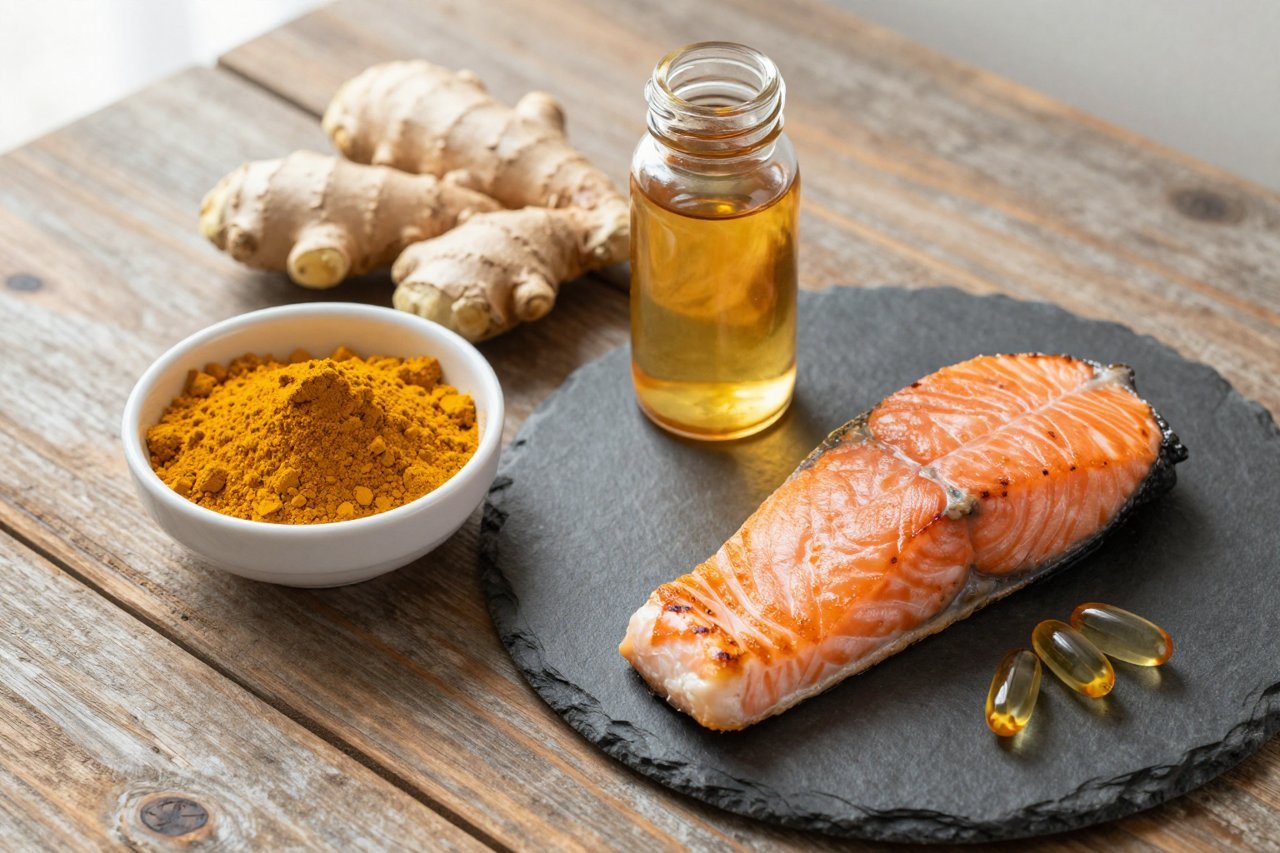
Inflammation gets a bad rap, but it’s not the enemy. Without it, you wouldn’t be able to heal a cut or fight off a cold. The trouble starts when low-grade inflammation becomes a permanent state.
This chronic, invisible inflammation is now linked to joint pain, fatigue, and even conditions like heart disease and diabetes. So it’s no wonder that anti inflammatory supplements have become a massive industry.
But the truth is, most of what’s sold on Amazon is a waste of money. Some formulas are underdosed, others use the wrong forms of ingredients, and many just ride the buzzword wave. This guide breaks down which anti inflammatory supplements are actually backed by solid human research, how to take them, and what to avoid.
Why the Supplement Aisle Won’t Stop Growing
Chronic inflammation isn’t a medical diagnosis you’ll see on a lab report, but it’s a central theme in nearly every modern disease. The average person doesn’t need a doctor to tell them they’re inflamed. They feel it in their creaky knees, their constant brain fog, or their stubborn belly fat. And when doctors suggest that diet and lifestyle changes are the answer, many people want a pill instead.
That’s where supplements come in. When you walk into a health food store, you’ll see bottle after bottle promising to “balance your immune response” or “support healthy cytokines.” But the term “anti inflammatory” isn’t regulated. So a supplement can slap that label on the front even if the research is thin.
The key is to look past the marketing and focus on the compounds with a track record.
The Supplements With Real Evidence Behind Them
Omega-3 Fatty Acids: Your Cellular Fire Extinguisher
Omega-3s, specifically EPA and DHA, are the most thoroughly studied anti inflammatory supplements on the market. They work by being incorporated into your cell membranes, where they outcompete inflammatory molecules called arachidonic acid. The result is a calmer, more flexible cell membrane that produces fewer pro-inflammatory signaling molecules.
Clinical research backs this up. A meta-analysis of 68 randomized controlled trials found that omega-3 supplementation significantly reduced inflammatory markers like CRP, IL-6, and TNF-alpha in adults. One striking trial showed that omega-3 fish oil supplementation reduced systemic inflammation in people with type 2 diabetes. It’s a strong reason to keep your omega-3 intake adequate.
The caveat is that doses matter. Many studies use 2,000 to 3,000 mg of combined EPA and DHA, not the flimsy 300 mg capsules most people buy. Look for a supplement that contains at least 1,000 mg of combined EPA and DHA per serving. That usually means two to three capsules.
Freshness also matters. Fish oil oxidizes quickly, which turns it rancid. That rancid oil is not only useless but can actually promote inflammation. So check for certifications like IFOS (International Fish Oil Standards) or buy from a brand that publishes third-party oxidation test results.
Curcumin: Turmeric’s Powerhouse (But There’s a Catch)
Curcumin is the active polyphenol in turmeric, and it’s arguably the most potent plant-based anti inflammatory compound we know. Research confirms that it can block inflammation at the molecular level, particularly in the NF-kB pathway.
In human trials, standardized curcumin extracts have outperformed ibuprofen for knee osteoarthritis pain in some head-to-head comparisons. But there’s a problem: curcumin is notoriously poorly absorbed. Your body metabolizes it so quickly that barely any reaches your bloodstream.
That’s why most effective supplements use enhanced formulations like Meriva or BCM-95, or they add piperine, a black pepper extract. Piperine helps bypass the liver’s fast clearance, making the curcumin linger in your system. The effect is dramatic. Scientists have identified a spice synergy that boosts anti-inflammation 100x by combining these two ingredients. But here’s the practical takeaway: don’t buy cheap turmeric powder and expect results. Look for a curcumin extract standardized to at least 95% curcuminoids and combined with a bioavailability enhancer.
Vitamin D: The Overlooked Anti Inflammatory Supplement
When you think of vitamin D, you think of bones. But your immune cells are loaded with vitamin D receptors. This nutrient acts more like a hormone than a vitamin, and it plays a direct role in tamping down excessive inflammation.
Observational studies find that people with low vitamin D levels are much more likely to have chronic pain and autoimmune conditions. Interventional research shows that correcting a deficiency can lower inflammatory markers like CRP and IL-6.
Even more intriguing, scientists have uncovered a strange link between vitamin D and pain. The same receptors that help vitamin D regulate inflammation also appear in pain pathways, which may explain why supplementing eases aches for some people.
But unlike the other supplements here, vitamin D isn’t something to guess at. Get your blood level checked. Aim for between 30 and 50 ng/mL. That might mean taking 1,000 to 5,000 IU daily depending on your baseline.
How to Spot a Low-Quality Supplement Quickly
You don’t need a degree in chemistry to evaluate supplement quality. Look for four things:
1. Visible label transparency. Avoid proprietary blends that hide the individual ingredient doses.
2. Third-party testing. Look for certifications like USP, NSF, or Informed Choice. These ensure the product actually contains what’s on the label and is free of contaminants.
3. Extraction type. Many herbal extracts are made using harsh solvents. Ethanol or water extraction is generally safer.
4. Doses that match research. A supplement with 50 mg of curcumin won’t do anything. The only thing it’ll do is waste your money.
The protein powder industry offers a useful lesson here. You might assume all protein powders are the same, but labels can be incredibly misleading. A deeper look at what the label won’t tell you reveals added fillers, low-quality amino acids, and hidden sweeteners. The same problems plague the supplement world. So don’t just grab a bottle with a pretty label. Do a quick search for the brand’s third-party testing and batch-specific certificates.
Lifestyle Levers That Make Supplements Work Harder
Supplements are not a magic eraser. They work by supporting your body’s natural anti-inflammatory systems. If you’re simultaneously piling on inflammatory inputs, you’ll be fighting an uphill battle. The following habits have a direct impact on your inflammatory tone:
- Prioritize sleep. Even one night of short sleep raises IL-6 and TNF-alpha.
- Strength train regularly. Muscle contraction releases myokines that lower inflammation.
- Cut down on ultra-processed foods. They often contain refined seed oils and emulsifiers that drive up inflammatory markers.
- Manage stress. Stress hormones activate NF-kB, the same pathway curcumin tries to block.
Get those dialed in and your supplements will have a much easier time moving the needle.
Your Simple Starting Plan
If you’re unsure where to begin, here’s a sensible framework. Don’t add seven supplements at once. Start with the ones that have the best ratio of evidence to risk.
First, get your omega-3 status in order. Eat fatty fish like salmon, sardines, or mackerel twice a week. Then supplement with 1,000 to 2,000 mg of combined EPA and DHA daily.
Second, consider a high-absorption curcumin product if you have joint stiffness or digestive issues. Look for 500 to 1,000 mg with piperine or a phytosome technology, and take it with a meal that contains fat.
Third, get your vitamin D level checked. If it’s low, fix it with a D3 supplement and retest after three months.
Finally, remember that consistency beats intensity. Inflammation develops silently over years, and reversing it takes time too. Most people notice a difference in joint comfort and energy after six to eight weeks of consistent use.
Pair these changes with a diet rich in vegetables and a weekly dose of moderate exercise, and you’ll be doing more for your inflammatory profile than most pill-popping optimists ever will.
