 1-800-656-4211




Blog
Cherries Are Good for You: What Research Says About Sleep, Recovery, and Nutrition

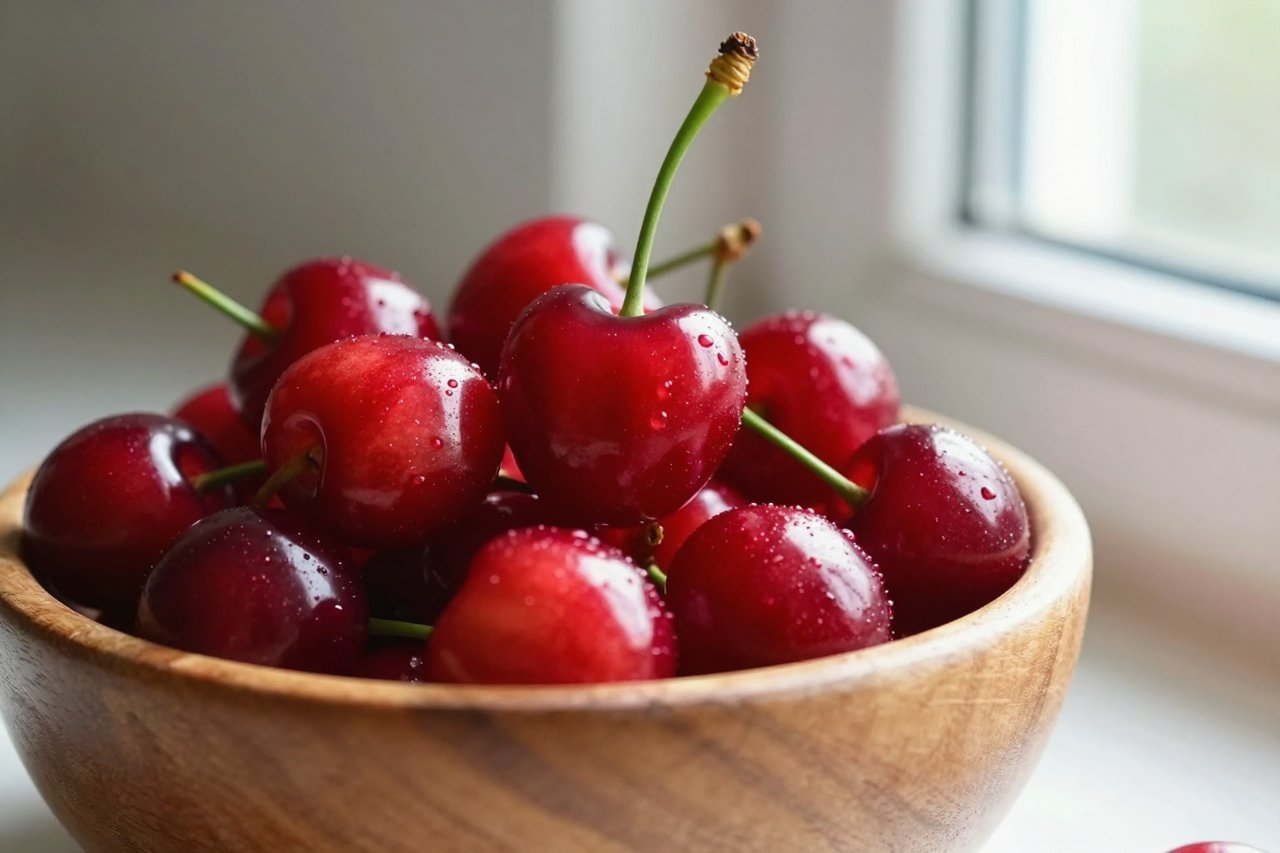
There are some foods that make health claims worth taking seriously. Cherries are good for you – and not in a vague eat-your-fruit way. The bright red orbs contain a set of natural compounds that can support sleep, calm post-workout soreness, and deliver a surprising number of vitamins per calorie. Whether you prefer fresh sweet cherries or tart cherry juice, there is a form that fits your palate and your health needs.
A Cherry Nutritional Profile: Big Benefits in a Small Fruit
Let’s look at what’s actually in a bowl of cherries. A cup of pitted sweet cherries (about 150 grams) comes in under 100 calories, yet it delivers a decent chunk of your daily nutrient needs.
- About 3 grams of fibre
- Around 10 mg of vitamin C
- More than 250 mg of potassium
- A lesser-known mineral called copper, which the body uses for red blood cell formation
- Small amounts of magnesium and vitamin K
That list is solid, but it doesn’t explain all the hype. The true star is the pigment that gives cherries their colour.
Anthocyanins: The Pigment Doing the Heavy Lifting
The deep red hue comes from anthocyanins, a family of antioxidant flavonoids. Tart cherries are especially rich in these compounds, and sweet cherries still hold their own. Anthocyanins help neutralise the oxidative stress that accumulates during normal metabolism, which is one of the main reasons cherries appear in chronic disease research again and again.
Cherries and Exercise Recovery: What the Research Shows
If you are a runner, a swimmer, or a gym-goer, you may have seen tart cherry juice in the recovery aisle. The evidence behind that is real. In a study published in the Journal of the International Society of Sports Nutrition, recreational athletes who drank tart cherry juice twice daily for a week before a long relay reported significantly less muscle soreness than the placebo group. The mechanism appears to be the anti-inflammatory activity of anthocyanins.
For a deeper look at the biochemistry, see our surprising science behind cherries’ health benefits. It breaks down the specific compounds and the dose used in several clinical trials.
Tart Cherries, Melatonin, and Better Sleep
Cherries, especially the tart kind, are one of the few natural food sources of melatonin, the hormone that signals your body to wind down. They also contain tryptophan, which helps support the serotonin pathway involved in sleep regulation. Several studies have tested tart cherry juice as a sleep aid, and the results have been promising.
In one small placebo-controlled trial, older adults who consumed tart cherry juice for two weeks increased their total sleep time by more than an hour. The treatment is not magical, but for people with mild insomnia, it can nudge the sleep cycle back into a natural rhythm.
To understand how sour cherries produce that effect, start with this practical look at sour cherry and sleep. If you want to scrutinise the study limitations, this research review covers what tart cherry can and cannot do.
Sweet vs. Tart: Which Cherry Should You Choose?
Each type has its own strengths. Sweet cherries, like Bing and Rainier, are ideal for snacking and pair well with savoury dishes. They contain less melatonin and slightly fewer anthocyanins. Tart cherries are rarely eaten fresh in huge quantities because of their sharp flavour, but they pack a higher concentration of sleep- and recovery-related compounds.
Instead of asking which is healthier, think about your goal. If you are looking for an afternoon snack that won’t spike blood sugar, sweet cherries are a fine option. If you want a targeted effect for sleep or muscle repair, tart cherries or their juice are usually the better choice.
Fresh, Frozen, or Juice: How to Get the Benefit
Frozen cherries are just as nutritious as fresh because they are often frozen within hours of being picked. Add them to smoothies, yogurt, or oatmeal. Dried cherries are convenient, but avoid varieties with added sugar and treat them like raisins due to their concentrated sweetness.
For sleep and recovery, tart cherry juice is the most straightforward option. Look for a product that is 100% juice with no apple juice or added sweetener. Several options fail that test. We have rounded up the ones that actually work for sleep and recovery to make your choice easier.
Potential Downsides to Keep in Mind
Cherries are safe for most people, but they are not completely harmless. Cherries contain naturally occurring sorbitol, a sugar alcohol that can cause bloating and loose stools if you eat a whole bag at once, especially if you have irritable bowel syndrome. Portion control matters.
The potassium content also deserves attention if you have chronic kidney disease or take potassium-sparing diuretics. And if you are drinking tart cherry juice for sleep, remember to use a small glass, otherwise the extra fluid itself will interrupt your rest.
How to Buy and Store Cherries for Maximum Flavour and Nutrition
The fresher the cherry, the more nutrients it retains. At the market, look for fruit with glossy, firm skin and green stems. Avoid cherries with wrinkled skin, a sign that they have been sitting out for days and have already lost vitamin C.
Store unwashed cherries in a ventilated container in the refrigerator. Do not rinse them until you are ready to eat, because moisture speeds up mould growth. With proper storage, sweet cherries last up to a week and tart cherries often hold slightly longer.
If you buy too many, freeze them in a single layer on a tray, then transfer to a zip bag. That way you can pull out a small, summer-sweet treat when the season has passed.
