 1-800-656-4211




Blog
Bromelain Dietary Supplement: What It Actually Does and How to Take It Properly

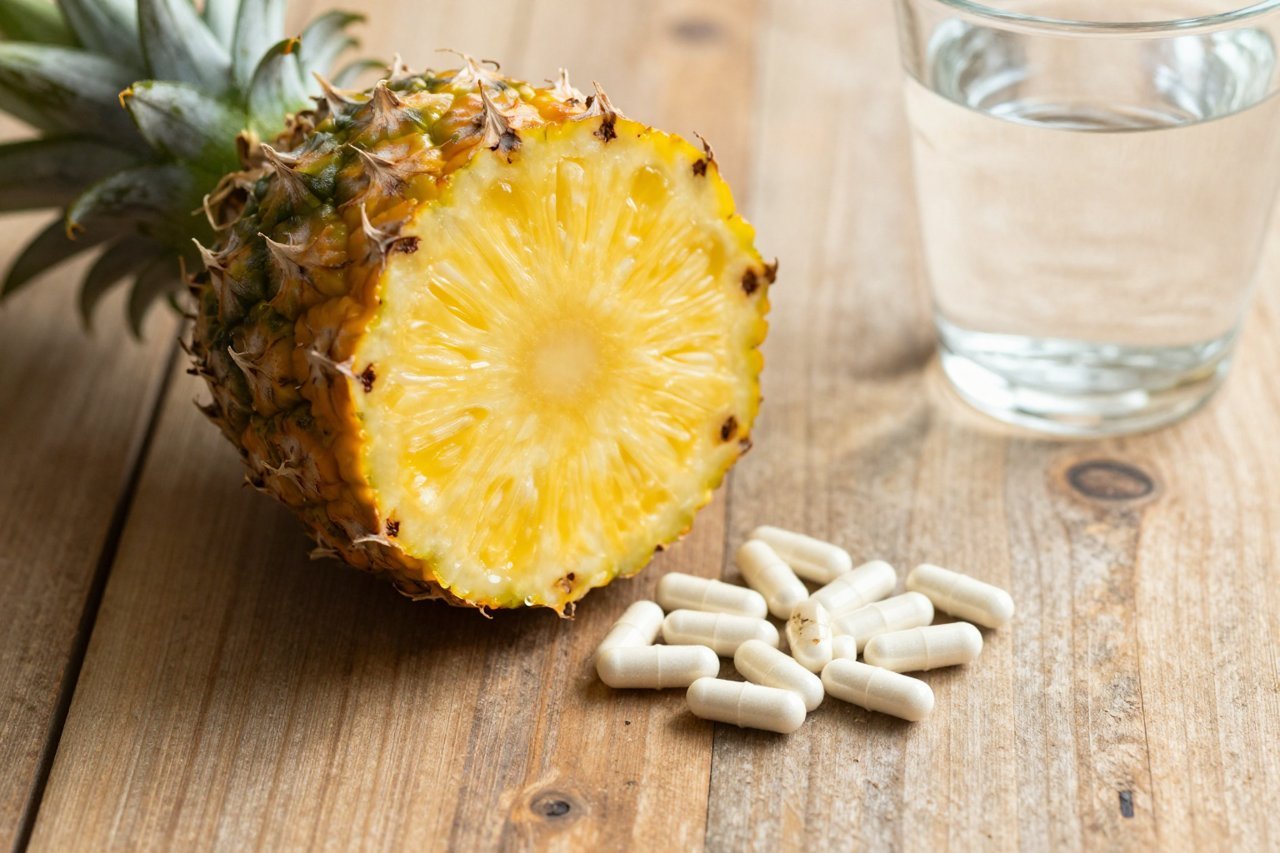
Walk into most health food shops and you’ll find bromelain tucked between the vitamin C and the magnesium, in a plain white capsule labelled something like “500 mg, 2,400 GDU”. It has none of the marketing shine of turmeric and none of the celebrity endorsements behind collagen. Yet European doctors have used it for swelling and inflammation since the 1950s, and it still turns up in sports medicine clinics, dental practices and allergy research.
The trouble is that most people buying a bromelain dietary supplement have only a foggy idea what it does. Here’s what the evidence actually supports, where it falls short, and how to avoid a dud bottle.
Bromelain Is a Family of Enzymes, Not a Vitamin
Bromelain isn’t a single substance. It’s a group of proteolytic enzymes, the kind that break down proteins, extracted from the pineapple plant. Commercial production uses the stem, which matters if you assumed eating fresh fruit was enough. The stem holds roughly ten times the enzyme concentration found in the flesh, and canning destroys most of what’s in the fruit anyway.
What makes bromelain worth studying is that it survives stomach acid. A fraction of it crosses the intestinal wall intact, which is unusual for anything protein-based. Once in circulation, it appears to influence inflammatory signalling rather than simply helping you digest dinner.
Reading the potency numbers
Two bottles can both say “500 mg” and be wildly different in strength. Check for these:
- GDU (Gelatin Dissolving Units): the standard measure today. A solid capsule is 500 mg standardised to 2,400 GDU per gram.
- MCU (Milk Clotting Units): an older scale still seen on some labels. Roughly 1,800 GDU equals 2,000 MCU.
- Milligrams on their own: nearly meaningless without a GDU or MCU figure printed beside them.
What People Actually Take It For
Swelling and recovery after injury or dental work
This is the strongest use case. A 2002 trial of patients with acute sinusitis found that 500 mg taken three times daily reduced inflammation of the nasal lining and improved breathing compared with placebo. Oral surgeons have prescribed it for years to limit post-extraction swelling, and several small trials on knee surgery recovery point the same way, though most are old and modest in size.
Joint pain
A 2004 study gave 30 people with knee osteoarthritis 800 mg of bromelain daily for six weeks. They reported less pain and stiffness than the placebo group. The result is encouraging but the sample was tiny, and nobody has run a large modern trial to confirm it.
Digestion
Different mechanism, different timing. With food, bromelain works alongside your own enzymes to break down protein, which some people find helpful after heavy meals or if they produce less pancreatic enzyme than they should. The evidence here is thinner than for inflammation, but the logic is straightforward and the risk is low.
The less obvious territory
Researchers have also poked at bromelain’s effect on platelet function, wound healing and seasonal allergies. If you want the fuller picture of where the science is heading, there’s a solid roundup of bromelain’s wider health benefits worth reading before you settle on a dose.
Dose, Timing, and the Mistake Almost Everyone Makes
Research doses sit between 500 mg and 2,000 mg per day, split across two or three servings. The bit people get wrong is when they take it.
Swallow a capsule with breakfast and it behaves as a digestive enzyme. Take it on an empty stomach, at least 30 minutes before eating or two hours after, and more of it reaches the bloodstream intact for the anti-inflammatory side of the job. Someone taking 500 mg alongside a bowl of porridge and wondering why their knee still aches has usually just picked the wrong slot.
Bromelain clears the bloodstream fairly quickly, with a half-life somewhere around six to ten hours. That short window is the reason most protocols split the daily total into multiple doses rather than one big hit.
Side Effects and Interactions Worth Knowing
Most people tolerate bromelain without noticing anything beyond a slightly lighter wallet. At higher doses, some report nausea, loose stools or a bit of stomach discomfort. Beyond that, a few interactions deserve attention:
- Blood thinners: case reports link bromelain with increased bruising and bleeding in people taking warfarin. Speak to your doctor before combining them.
- Certain antibiotics: bromelain increases the absorption of amoxicillin and tetracyclines. That can be deliberate, but it means a higher effective dose of the drug.
- Pineapple allergy: if the fruit makes your mouth tingle or swell, skip the supplement entirely.
- Surgery: stop at least two weeks beforehand, because of the bleeding risk.
- Pregnancy and breastfeeding: not enough safety data exists, so leave it alone for now.
Choosing a Bottle That’s Actually Worth Buying
Look for a single-ingredient product with the GDU figure stated openly. Proprietary blends that list “bromelain complex” and hide the potency are almost always weak. Third-party testing seals from outfits like NSF or USP add a layer of trust, and a brand that names its pineapple stem source is usually taking the ingredient seriously.
Store capsules somewhere cool and dark. Enzymes lose activity over time and heat speeds that up, so a kitchen windowsill is a bad home for them. Compare price per GDU rather than price per milligram; the cheapest 1,000 mg bottle is often the weakest one on the shelf.
How Long Until You Notice Anything
Digestive effects, if you get them, arrive within a meal or two. Swelling after an injury tends to respond within three to five days. Joint pain is slower, typically two to four weeks, and the trials that showed benefit ran for six weeks. Sinus congestion usually eases within a week.
If nothing has changed after six weeks at a properly dosed 1,500 to 2,000 mg a day, the honest answer is that bromelain probably isn’t doing much for your particular problem. It isn’t a treatment for everything, and a supplement that quietly does nothing is worse than useless if it stops you pursuing something that works.
Keep a short note of what you took, when you took it, and what shifted. Dose, timing and potency are the three variables that decide whether a bromelain dietary supplement earns its place in your cupboard or just sits there until it expires.
