 1-800-656-4211




Blog
Bromelain and Quercetin: What the Pair Actually Does for Swelling, Sinuses and Allergies

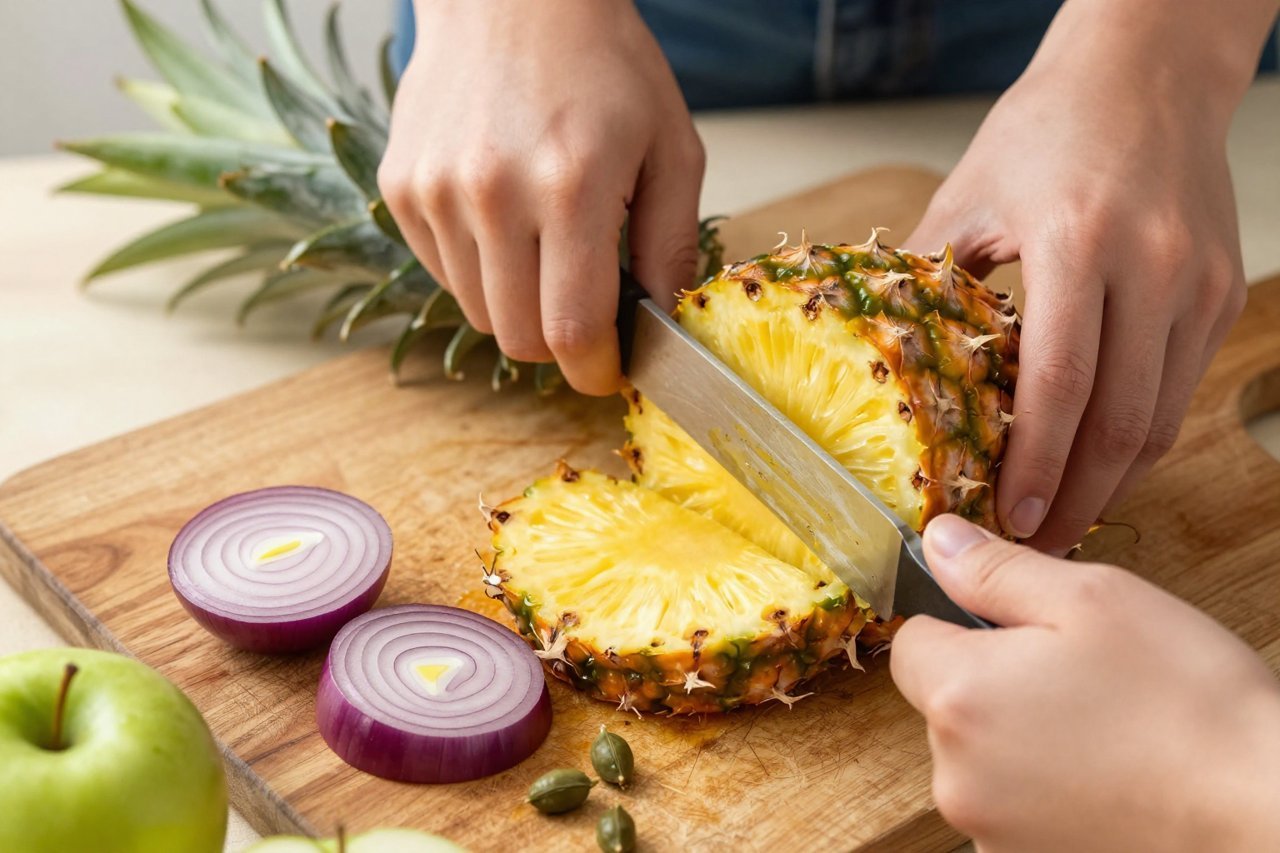
Bromelain and quercetin turn up side by side in a lot of supplement bottles, usually under a label promising relief from sinus pressure, seasonal allergies or post-workout ache. The pairing isn’t random. One is a protein-cleaving enzyme extracted from pineapple stems. The other is a plant pigment found in capers, red onions and apples. Different sources, overlapping jobs: both damp down inflammation, both show up in research on swelling and allergy symptoms, and both have been studied as a combo in humans.
Here’s what each one does, why they’re usually stacked, and the practical details that decide whether the pair does anything worthwhile for you.
Why Bromelain and Quercetin Get Paired
Bromelain’s job description is breaking down proteins, including the fibrin and signalling proteins caught up in inflammation and fluid build-up. In Germany it’s been used medically for decades as an anti-swelling agent after surgery and injury, which is a long way from the “digestive enzyme” shelf most people file it under.
Quercetin works on a different lever. It’s an antioxidant flavonoid that interferes with histamine release and with several inflammatory pathways, most notably NF-kB, the switch that turns on a wide range of inflammatory gene activity.
Stack them and you’re hitting one problem from two directions. Quercetin handles the immune and antihistamine side; bromelain handles swelling, trapped fluid and the protein debris that keeps inflammation ticking over. There’s also a hint they help each other, because early animal research suggests bromelain can improve how much quercetin actually gets absorbed.
What Bromelain Brings to the Table
Bromelain is measured in GDU (gelatin dissolving units) or MCU, not milligrams, because the milligram figure says nothing about enzyme activity. A 500 mg capsule might hold anywhere from 600 to 2,400 GDU. If you want the detail on GDU ratings, enteric coatings and why stem bromelain beats the juice, this no-nonsense guide to bromelain supplements is worth ten minutes before you buy anything.
Where the evidence is strongest
Swelling after surgery or injury, dental work, sinus inflammation, and recovery from heavy training. Most of the trials are small and a few are decades old, but the surgical swelling results have been consistent enough that bromelain remains a standard option in parts of Europe.
Timing matters more than people expect. Taken between meals, more bromelain reaches the bloodstream instead of staying in the gut to digest your lunch. Taken with food, it behaves like a digestive enzyme and does very little for a swollen ankle.
Quercetin’s Side of the Story
Mast cells and the histamine switch
Quercetin’s headline trick is stabilising mast cells, the immune cells that dump histamine when pollen arrives. Less histamine released means less sneezing, itching and streaming eyes. One small randomised trial gave hay fever sufferers 500 mg of quercetin twice daily and saw symptom scores drop within a week. Short study, modest size, but the mechanism lines up with the result, which is more than you can say for most allergy supplements.
The catch: absorption
Plain quercetin dihydrate is absorbed badly, with estimates sometimes sitting in the low single digits. Two workarounds help. Take it with a fat-containing meal, and consider phytosome forms, where quercetin is bound to sunflower phospholipids and has better absorption data behind it. Cheaper capsules aren’t useless, you simply need more of them to get the same blood levels.
Food sources exist, but they’re not equivalent. Capers lead the pack at roughly 300 mg per 100 g, followed by red onion and buckwheat. Reaching a 500 mg dose from onions alone would mean eating an implausible amount, which is why capsules dominate the research.
Do They Work Better Together?
Partly, yes, and for a mundane reason as much as a pharmacological one. Bromelain appears to loosen the tight junctions in the gut lining, which may let more quercetin slip through. Combine that with the overlapping effects on inflammatory signalling and you have a reasonable argument for taking them in the same sitting rather than hours apart.
The honest caveat: most human research tests them as a pair in sinus and post-surgical settings rather than isolating each one, so it’s hard to credit either compound individually. What is clear is that practitioners who use them tend to use them together, with bromelain targeting the swelling and mucus and quercetin targeting the immune reaction underneath.
Who Reaches for This Combination
- Seasonal allergy sufferers who want something between a daily antihistamine and nothing at all.
- Chronic sinus pressure, especially the thick, stubborn congestion that lingers after a cold.
- Post-surgical and post-injury recovery, where reducing swelling speeds up the return to normal movement.
- Endurance athletes dealing with muscle soreness and joint stiffness during heavy training blocks.
- People with sluggish protein digestion, who use bromelain with meals rather than between them.
Dosing and Timing Without Overcomplicating It
For bromelain, a common range is 500 mg once or twice daily, standardised to roughly 1,800 to 3,000 GDU per day. Take it on an empty stomach when the goal is swelling or inflammation, and with food if digestion is the point.
For quercetin, 500 mg once or twice daily is the dose used in most trials, always alongside a meal that contains some fat. Phytosome versions usually call for less, often 250 mg, because more of it survives the trip through your gut.
Then keep it simple: take them at the same time. Splitting them across the day defeats the purpose of the pairing.
Who Should Be Careful
Both compounds have a mild blood-thinning effect. If you take warfarin, aspirin, clopidogrel or any other anticoagulant, talk to your doctor before adding either one. Stop both at least a week or two before scheduled surgery, and mention them to your surgeon, since they can affect bleeding and anaesthesia.
Anyone with a pineapple allergy should skip bromelain entirely. Quercetin can interfere with how the body clears certain drugs through liver enzymes, and it may reduce the effectiveness of some antibiotics, so separate doses by a few hours if you’re on a course. Bromelain, oddly, does the opposite with antibiotics like amoxicillin, which is why it’s sometimes added to antibiotic regimens in Europe. If you’re pregnant, breastfeeding, or managing a hormone-sensitive condition, get proper advice first, because the safety data simply isn’t there.
How to Tell If It’s Working
Give it a real trial and keep a short symptom log. Allergy symptoms usually shift within one to two weeks if they’re going to shift at all. Sinus pressure takes longer, often three to four weeks. Swelling after an injury or procedure should improve within days, which makes it the easiest effect to judge.
If you’re four to six weeks in and nothing has changed, don’t keep buying bottles out of hope. Drop it, note it, and move on. Fresh pineapple gives you a little bromelain, but heat destroys the enzyme, so canned and juiced fruit won’t do much, and no realistic amount of onion will match a 500 mg quercetin capsule.
The combination is worth trying if you have a specific, trackable complaint: a blocked nose that won’t clear, swelling that’s slow to settle, or an allergy season you’d like to blunt. It isn’t a substitute for treating an infection, a structural sinus problem or an injury that needs proper assessment, and if symptoms keep returning after the bottle runs out, that pattern itself is useful information to take to a doctor.
