 1-800-656-4211



Blog
Antioxidant Supplements: Side Effects That Deserve More Attention

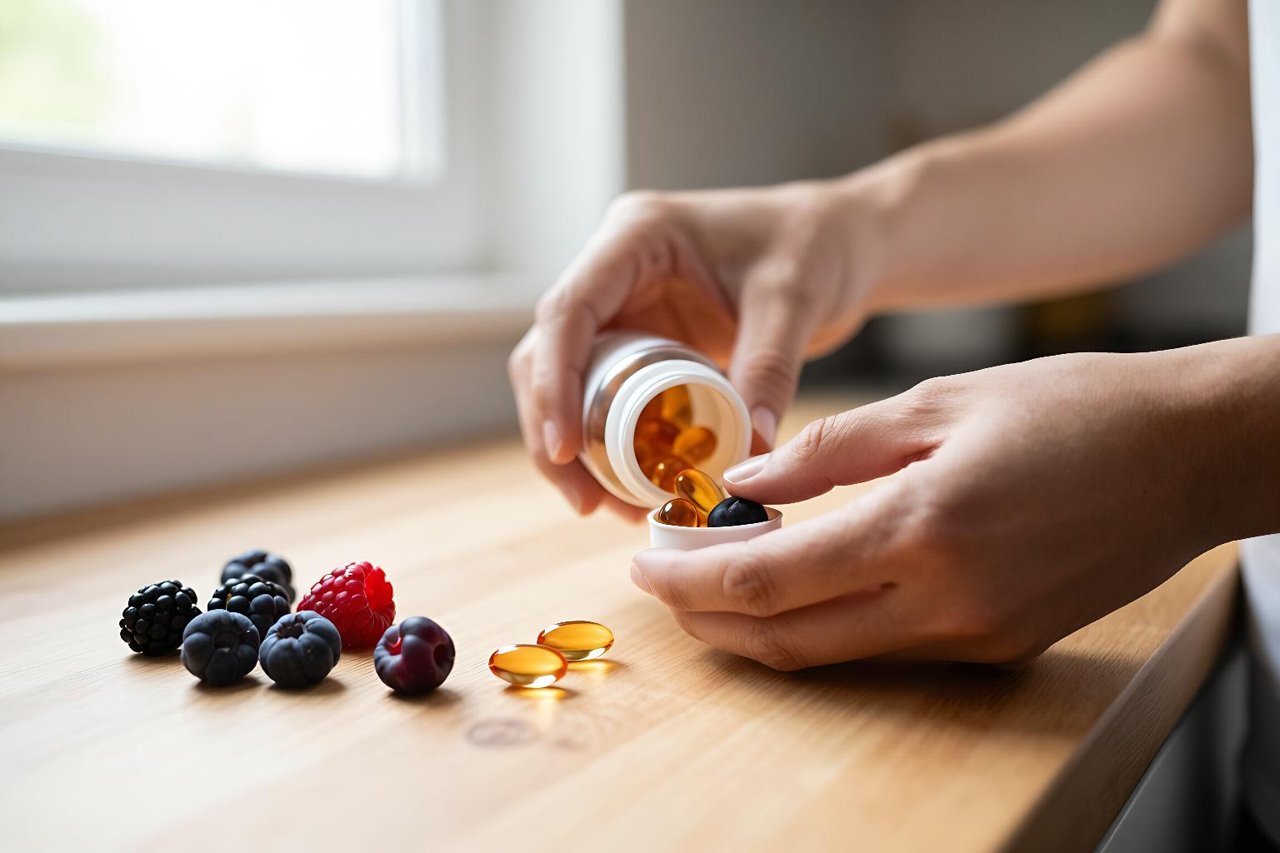
Antioxidant supplements are sold as insurance against aging, exercise damage, pollution, and just about everything else. The pitch sounds harmless: these compounds neutralize free radicals, so more should be better. In real life, concentrated doses can cause antioxidant supplements side effects that range from an upset stomach to serious drug interactions. Some large trials have even found harm in people who took high doses for years.
None of this means antioxidants are bad. You need them. The issue is dose, form, and context. A bowl of berries and a 2,000 mg vitamin C tablet are not the same thing.
Why a “harmless” supplement can backfire
Free radicals get a bad reputation, but your body uses them for cell signaling and immune defense. Antioxidants are part of a balance, not a cleanup crew that should wipe out every oxidant. High-dose supplements can upset that balance.
Doses matter too. A typical multivitamin might contain 60 mg of vitamin C; some immune powders contain 1,000 to 2,000 mg per scoop. Vitamin E supplements often deliver 400 IU, far above the 15 mg daily recommended intake for adults. When you stack a multivitamin, a vitamin C powder, a greens blend, and a beauty supplement, you can hit levels no diet would produce.
Common side effects people actually notice
Digestive trouble
Vitamin C is the classic offender. Doses above 2,000 mg a day can cause diarrhea, cramps, and nausea. That threshold is different for everyone; some people get loose stools at 500 mg. NAC, alpha-lipoic acid, and high-dose zinc can also irritate the stomach, especially when taken on an empty stomach. If you are taking vitamin C for immunity, our guide to vitamin C supplements: what actually works explains why splitting doses and choosing the right form can reduce the blow.
Headaches, fatigue, and odd skin changes
CoQ10 can trigger headaches or insomnia in sensitive people. High-dose selenium is linked to hair loss, brittle nails, and a garlic-like breath odor. Beta-carotene at very high doses can turn the skin orange, a harmless condition called carotenemia. It looks strange, but it fades when you stop.
Bleeding and blood pressure shifts
Vitamin E above 400 IU a day can increase bleeding risk, particularly if you also take aspirin, warfarin, clopidogrel, fish oil, or ginkgo. CoQ10 can lower blood pressure slightly and may reduce the effect of warfarin in some people. Resveratrol and curcumin can also interfere with blood thinners. If your pharmacist does not know about your supplement list, they cannot catch these interactions.
Serious risks that deserve a doctor conversation
Beta-carotene and lung cancer in smokers
This is one of the clearest examples of antioxidant supplements side effects in a high-risk group. In the 1990s, two large trials tested beta-carotene in people at high risk of lung cancer. The ATBC trial gave smokers 20 mg a day and found more lung cancers. The CARET trial combined 30 mg beta-carotene with 25,000 IU vitamin A; it was stopped early because lung cancer deaths rose. If you smoke or used to smoke heavily, skip high-dose beta-carotene supplements unless your doctor specifically recommends them.
Vitamin E and prostate cancer
The SELECT trial followed about 35,000 men and tested 400 IU of vitamin E daily. Instead of preventing prostate cancer, vitamin E was associated with a 17% higher risk. That finding surprised a lot of researchers, and it is a good reminder that “antioxidant” does not automatically mean “protective.”
Selenium and diabetes risk
Selenium is essential in small amounts, but Brazil nuts and supplements can push you over the edge. Some trials have linked high selenium intake, around 200 mcg a day, to a higher risk of type 2 diabetes in people who already had adequate levels. The evidence is not unanimous, but it is enough reason to avoid megadoses without a diagnosed deficiency.
Interactions with cancer treatment
Antioxidants can protect healthy cells, but they can also protect cancer cells from chemotherapy or radiation. The research is mixed and depends on the drug, the cancer, and the timing. Do not start high-dose vitamin C, NAC, glutathione, or vitamin E during treatment without talking to your oncologist. This is not a decision to make from a blog post or a supplement aisle.
Who should be extra careful with antioxidant supplements?
- Smokers and former heavy smokers: avoid high-dose beta-carotene; be cautious with vitamin E.
- People on blood thinners: vitamin E, fish oil, curcumin, resveratrol, and CoQ10 can all affect bleeding or clotting.
- Anyone having surgery: stop bleeding-risk supplements at least two weeks before, unless your surgeon says otherwise.
- People with kidney stone history: high-dose vitamin C can raise oxalate levels in some people.
- Pregnant or breastfeeding women: avoid megadoses and check every product with a clinician; vitamin A is especially dose-sensitive.
- Cancer patients in treatment: get approval from your oncology team before adding any antioxidant.
The label problem: doses, blends, and contamination
“Antioxidant blend” on a label tells you almost nothing. Proprietary blends can hide 10 mg of one ingredient and 500 mg of another. You cannot judge the dose or the risk. Overlapping products are another trap. A greens powder, a multivitamin, and a pre-workout can each contain vitamin C, zinc, or green tea extract, and the totals add up fast. If you use a pre-workout, our breakdown of pre-workout supplements: what actually works covers why stimulant and antioxidant blends deserve a closer look.
Quality matters as well. Independent testing has found heavy metals in some greens powders and herbal antioxidant products. Choose brands that publish third-party certificates of analysis. The same label-reading discipline applies to a vitamin B complex supplement, even though B vitamins are not antioxidants; you still need to know the dose and whether you are doubling up.
Food first, but not because supplements are evil
Food delivers antioxidants with fiber, water, and hundreds of related compounds. A tropical fruit such as guanabana, for example, brings vitamin C and plant polyphenols in a package your body handles differently from a capsule. Our article on guanabana benefits digs into what the fruit can and cannot do. That said, food-first does not mean supplements are useless. Vitamin C can help people with low intake, and CoQ10 has evidence in some heart conditions and migraines. The point is to use them for a specific reason, not as a vague anti-aging habit.
Practical ways to reduce your risk
- Take the lowest effective dose and check every product for overlapping ingredients.
- Skip high-dose beta-carotene if you smoke or have asbestos exposure.
- Keep vitamin E below 400 IU a day unless a doctor recommends more.
- Tell your pharmacist about all supplements, especially if you take warfarin, aspirin, or blood pressure medication.
- Take stomach-irritating supplements with food and split large vitamin C doses.
- Stop bleeding-risk products two weeks before scheduled surgery.
- Choose third-party tested products and avoid mystery proprietary blends.
- Ask your doctor before using antioxidants during chemotherapy, radiation, or pregnancy.
If you already take an antioxidant supplement and feel fine, you probably do not need to panic. Look at the dose, check for duplicates, and think about whether you have a real reason to take it. A 1,000 mg vitamin C tablet plus a greens powder plus a multivitamin is not a harmless health stack; it is an easy way to overshoot. Keep the dose modest, keep your clinician in the loop, and treat the label like a medication label rather than a marketing brochure.
