 1-800-656-4211




Blog
Coenzyme Q10 Ubiquinol: The Form Your Mitochondria Actually Prefer

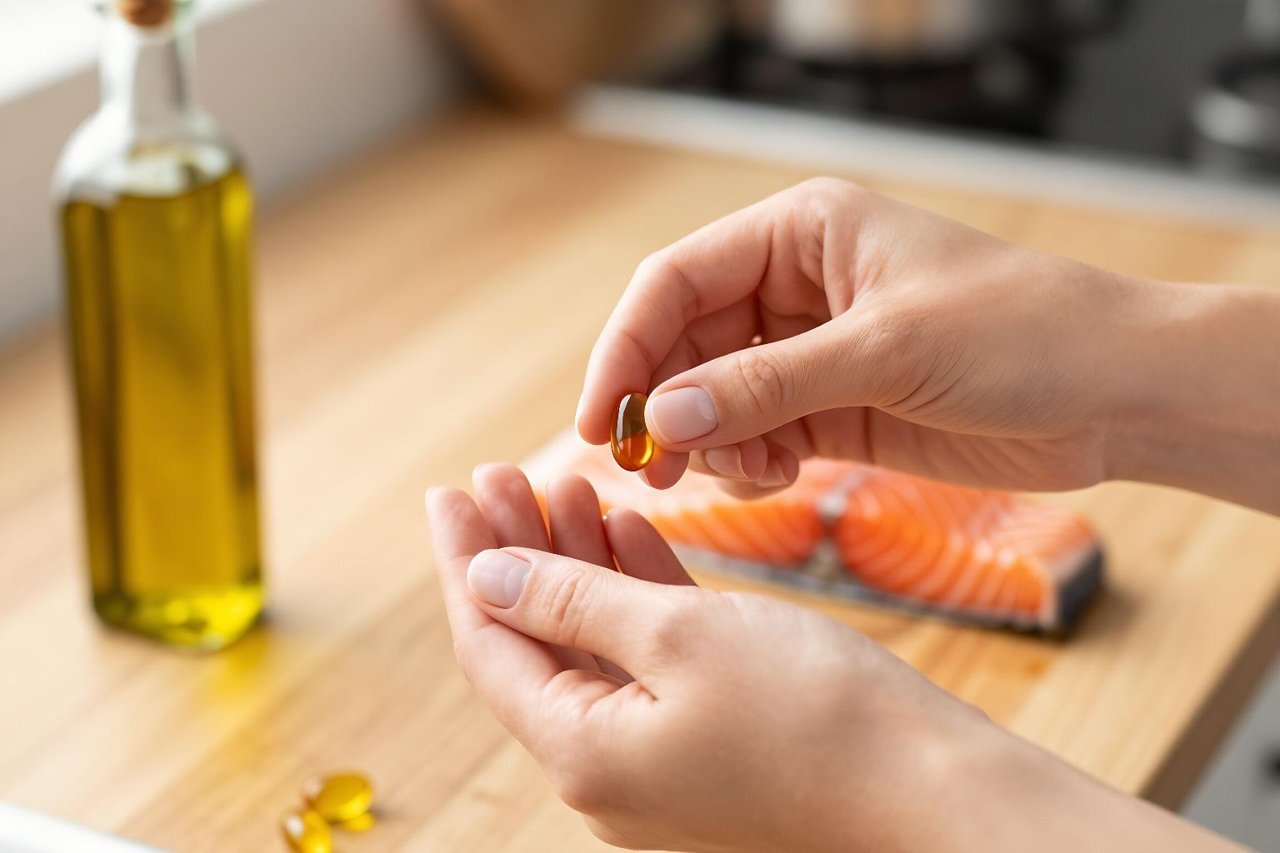
Your heart contracts roughly 100,000 times a day, and every one of those beats runs on a molecule most people first meet on a supplement label: coenzyme Q10. It lives inside the mitochondria of nearly every cell you own, ferrying electrons through the energy-generating machinery and mopping up free radicals while it works. Production falls with age, though. Levels in heart muscle can drop by a third or more between your twenties and your sixties. That slide is why so many people end up searching for coenzyme Q10 ubiquinol late at night, staring at two bottles that look almost identical and cost very different amounts.
Short answer first. Ubiquinol is the reduced, already-active form of coenzyme Q10. Ubiquinone is the oxidised form, and it is what most inexpensive capsules contain. Your body can convert one into the other. Whether it does that efficiently is the entire question.
What Coenzyme Q10 Actually Does Inside You
CoQ10 has two jobs, and both are essential.
The first is energy. It shuttles electrons between protein complexes in the mitochondrial respiratory chain, the assembly line that produces ATP. No CoQ10, no ATP. That is why the heart, liver, kidney and skeletal muscle, the tissues burning the most fuel, hold the highest concentrations.
The second is protection. In its ubiquinol form it acts as a fat-soluble antioxidant embedded in cell membranes and in circulating LDL particles, where it helps stop the lipid peroxidation that kicks off arterial plaque formation. It also recycles vitamin E back into its active state, which stretches your antioxidant resources considerably further. If you want the wider picture of which antioxidants earn their keep and which are marketing, this breakdown of antioxidant supplements that actually work is worth reading.
Your total body pool sits somewhere around 1 to 2 grams. Small, but turned over constantly.
Ubiquinone vs Ubiquinol: One Molecule, Two Shapes
Chemically the gap is tiny. Ubiquinol carries two extra hydrogen atoms, which makes it the reduced form. Ubiquinone has lost them. In a healthy 25-year-old, the body flips between the two constantly and without effort.
Two things change that. Ageing reduces the efficiency of the conversion enzyme, so a larger share of whatever CoQ10 you have circulates as ubiquinone. Statins do something similar, blocking the same mevalonate pathway the body uses to make both cholesterol and CoQ10. Some researchers estimate statin users see circulating CoQ10 fall by 30 to 40 percent.
There is also a physical difference that matters for absorption. Ubiquinone is a crystalline powder with a melting point near 48°C, so it dissolves poorly in the gut. Ubiquinol is an oil at room temperature and disperses into fat droplets far more readily.
Absorption Is Where Most Bottles Fall Short
CoQ10 is notoriously hard to absorb. Taken as dry powder in a hard capsule on an empty stomach, you might absorb 2 to 3 percent of the dose. Formulation and food change that dramatically, often by a factor of three or more.
- Take it with fat. A meal containing 10 to 15 grams of fat, roughly a tablespoon of olive oil with eggs, or a salmon fillet, meaningfully raises uptake.
- Choose softgels or oil-based capsules. Dry powder tablets are cheaper and usually a false economy.
- Split larger doses. Absorption saturates, so 100mg twice daily typically beats 200mg at once.
- Stay consistent. CoQ10 is not a stimulant. It builds plasma levels over weeks, not hours.
If you want the practical detail on timing, dose and what to expect in the first month, this guide to what a ubiquinol supplement is and how to take it walks through it step by step.
Who Genuinely Benefits From Ubiquinol
Nobody needs ubiquinol at 25 on a varied diet. The case gets much stronger once you are older or taking medication that depletes CoQ10.
Statin users
This is the largest group by far. Muscle aches are the most common reason people abandon statins, and CoQ10 depletion is one plausible mechanism. The trial evidence is genuinely mixed. Some smaller studies found 100 to 200mg daily reduced muscle pain scores, others found nothing beyond placebo. It is a low-risk experiment worth a two or three month trial.
People over 40
Endogenous production peaks in your early twenties and drifts downward after that. A daily 100mg can nudge plasma levels back toward those of a decade or two earlier.
Heart failure patients
The Q-SYMBIO trial is the strongest evidence in the entire field. It gave 420 patients with moderate to severe heart failure either 300mg of CoQ10 daily or a placebo. After two years, the CoQ10 group had significantly fewer major adverse cardiovascular events and lower all-cause mortality. Note the dose. 300mg is three times what most people take.
Fertility and migraine
Egg quality declines partly because of oxidative stress inside the mitochondria, and small trials of 200mg ubiquinol daily in women over 35 undergoing IVF have shown modest improvements in ovarian response. For migraine, 100mg three times daily cut attack frequency in a placebo-controlled trial. If you are weighing ubiquinol against the standard form, the active form and who needs it digs into the head-to-head research.
Dose, Timing and Interactions That Matter
Common daily doses run from 100mg for general maintenance to 200mg for statin users, and up to 300mg for cardiac patients, usually split morning and evening with food.
Interactions are few but real. CoQ10 is structurally similar to vitamin K, so it can blunt warfarin. Anyone on blood thinners should speak to a prescriber before starting and expect INR monitoring. It may also lower blood pressure slightly, which compounds with antihypertensive drugs. Some chemotherapy agents work through oxidative mechanisms, so timing around treatment cycles is worth a conversation with an oncologist.
Reading the Label Without Getting Fooled
Three things separate a good bottle from an expensive one.
- The form. Ubiquinol should be listed as ubiquinol, often as Kaneka Ubiquinol, not buried as “CoQ10 (as ubiquinone).” Some products blur the two.
- Third-party testing. Look for a USP, NSF or Informed Choice seal. CoQ10 oxidises when exposed to heat and light.
- Dose per capsule. 100mg softgels are easy to split or stack. 400mg capsules leave no room to adjust.
Storage counts too. Keep the bottle cool and dark. The shelf above a hot shower is a poor home for it.
How Long Before You Notice Anything
Plasma levels plateau after two to three weeks of consistent use. Subjective energy changes usually show up between weeks four and eight, if they show up at all. Statin-related muscle discomfort, when it responds, tends to ease over 8 to 12 weeks. The heart failure benefits in trials took two years to emerge, which tells you plenty about the size of the effect and the patience required.
A meaningful share of people feel nothing at all. CoQ10 will not give you a caffeine-style lift. If you were genuinely depleted, restoring levels is where the difference appears. If your levels were fine, you have bought an expensive antioxidant. Setting that expectation before spending $40 a month matters. A three-month trial at a sensible dose, taken with a fatty meal, is enough to tell you whether it is worth continuing.
