 1-800-656-4211




Blog
Black Seed Oil: Benefits, Dosage, and How to Choose a Quality Bottle

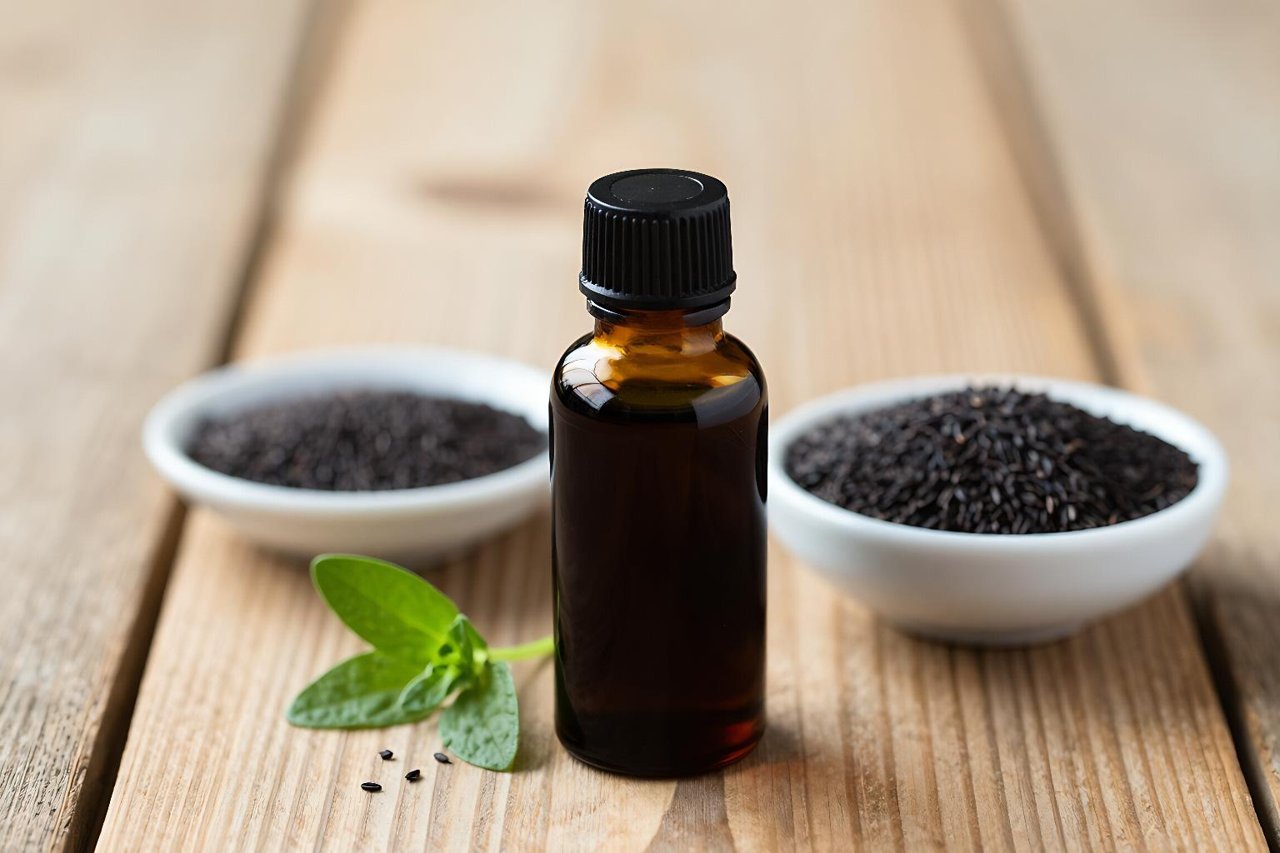
If you’ve spent any time in the supplement aisle recently, you’ve probably noticed bottles of black seed oil. It’s not a new fad—people have used it for thousands of years—but modern research is finally putting some of its traditional claims to the test. The results are interesting, though not miraculous. Here’s a clear-eyed look at what black seed oil can do, how to take it, and how to avoid wasting money on a poor-quality product.
What Is Black Seed Oil?
Black seed oil comes from the seeds of Nigella sativa, a flowering plant native to parts of Asia and the Mediterranean. You might hear it called black cumin, black caraway, or Roman coriander. Don’t confuse it with regular cumin or caraway—they’re different plants. The oil is cold-pressed from the tiny black seeds, which have a slightly peppery, bitter taste.
The seed’s most studied compound is thymoquinone, a powerful antioxidant and anti-inflammatory agent. Traditional medicine systems, including Ayurveda and Unani, have used black seed for everything from respiratory issues to digestive complaints. Today, it’s sold as an oil, in capsules, and sometimes as a powder.
The Potential Benefits of Black Seed Oil
Research on black seed oil is still growing, but several areas show promise. Keep in mind that many studies are small or done in animals. Human trials are increasing, though, and the findings are worth knowing.
Anti-Inflammatory and Antioxidant Effects
Chronic inflammation is at the root of many health problems, from arthritis to heart disease. Thymoquinone in black seed oil has been shown to reduce inflammatory markers like CRP and IL-6 in some studies. It also fights oxidative stress by boosting the body’s own antioxidant enzymes. If you’re looking for a broader approach to managing inflammation, our no-nonsense guide to anti-inflammatory supplements covers what actually works.
Immune System Support
Black seed oil may help modulate the immune system. Some research suggests it can reduce allergy symptoms, like sneezing and nasal congestion, possibly by stabilizing mast cells. It also has antimicrobial properties against certain bacteria and fungi. People often take it during cold and flu season, though it’s not a substitute for medical treatment.
Skin and Hair Health
Applied topically, black seed oil can soothe inflammatory skin conditions like eczema and acne. Its fatty acids and thymoquinone help moisturize and reduce redness. For hair, it’s sometimes massaged into the scalp to combat dryness and dandruff. A small study found that a black seed oil-based lotion improved eczema symptoms after four weeks.
Metabolic Health and Weight Management
Early research hints that black seed oil might support blood sugar control and cholesterol levels. One review of human trials found modest reductions in fasting blood sugar and LDL cholesterol. It’s not a weight-loss miracle, but it could complement a healthy diet. Pairing it with solid food choices—like the healthy snacks for weight loss and food cravings we’ve outlined—makes far more difference than any single supplement.
How to Use Black Seed Oil
You’ll find black seed oil in liquid form and capsules. Liquid is more versatile, but capsules are convenient and mask the taste. Here’s how to use each.
Internal Use: Dosage and Timing
A typical daily dose is 1 to 3 grams, which is about half a teaspoon to one teaspoon of oil. Start with a small amount, like a quarter teaspoon, to see how your stomach reacts. Take it with food to reduce the chance of indigestion. Some people prefer to split the dose into two smaller servings. Don’t heat the oil—high temperatures can degrade thymoquinone. Stir it into yogurt, smoothies, or salad dressings instead.
Topical Application for Skin and Hair
For skin, dilute a few drops of black seed oil with a carrier oil like coconut or jojoba. Apply a small amount to a test patch first, especially if you have sensitive skin. For hair, massage a mixture of black seed oil and carrier oil into your scalp, leave it for 20 minutes, then wash out. You can do this once or twice a week.
Choosing a High-Quality Black Seed Oil
Not all bottles are created equal. Cheap oils may be diluted, heated during processing, or made from low-quality seeds. Here’s what to look for:
- Cold-pressed and unrefined: This preserves the beneficial compounds. Avoid oils labeled “refined” or “solvent-extracted.”
- Organic certification: Reduces the risk of pesticide residue.
- Dark glass bottle: Light degrades the oil. Amber or dark green glass protects it.
- Thymoquinone content listed: Some brands state the percentage. Higher isn’t always better, but transparency is a good sign.
- Hexane-free: Hexane is a solvent used in some extraction methods. Look for “hexane-free” on the label.
- Expiration date and harvest date: Fresher is better. Black seed oil can go rancid over time.
For a deeper dive into quality markers and red flags, see this detailed guide to Nigella Sativa black seed oil. It covers sourcing, processing, and how to spot a good bottle.
Potential Side Effects and Interactions
Black seed oil is generally well tolerated when taken in food amounts. Some people experience digestive upset, bloating, or nausea, especially at higher doses. Topically, it can cause contact dermatitis in rare cases.
Because it may lower blood sugar, people with diabetes should monitor their levels and talk to a doctor. It also has mild blood-thinning effects, so stop using it at least two weeks before surgery and use caution if you take anticoagulants. Pregnant women should avoid medicinal doses, as it may stimulate uterine contractions. If you’re on any medication, check with your healthcare provider first.
Realistic Expectations
Black seed oil isn’t a cure-all. It won’t replace a healthy diet, exercise, or prescribed medication. The research is promising but not definitive for most conditions. Think of it as a supportive tool—one that might reduce inflammation, support your immune system, and give your skin a boost. If you try it, give it a few weeks to see how you feel. Keep a simple journal of any changes, good or bad.
Making Black Seed Oil Part of Your Routine
The easiest way to stick with black seed oil is to attach it to an existing habit. Add a teaspoon to your morning smoothie. Drizzle it over roasted vegetables after cooking. Take a capsule with lunch. If you don’t like the taste, capsules are your friend.
Consistency matters more than dose. A small amount every day will likely do more than a large amount once a week. And remember that supplements work best when they’re part of a broader healthy lifestyle. That means plenty of vegetables, good sleep, regular movement, and stress management. Black seed oil can be a small piece of that puzzle, but it’s not the whole picture.
