 1-800-656-4211




Blog
Bromelain Supplements: A No-Nonsense Guide to the Pineapple Enzyme

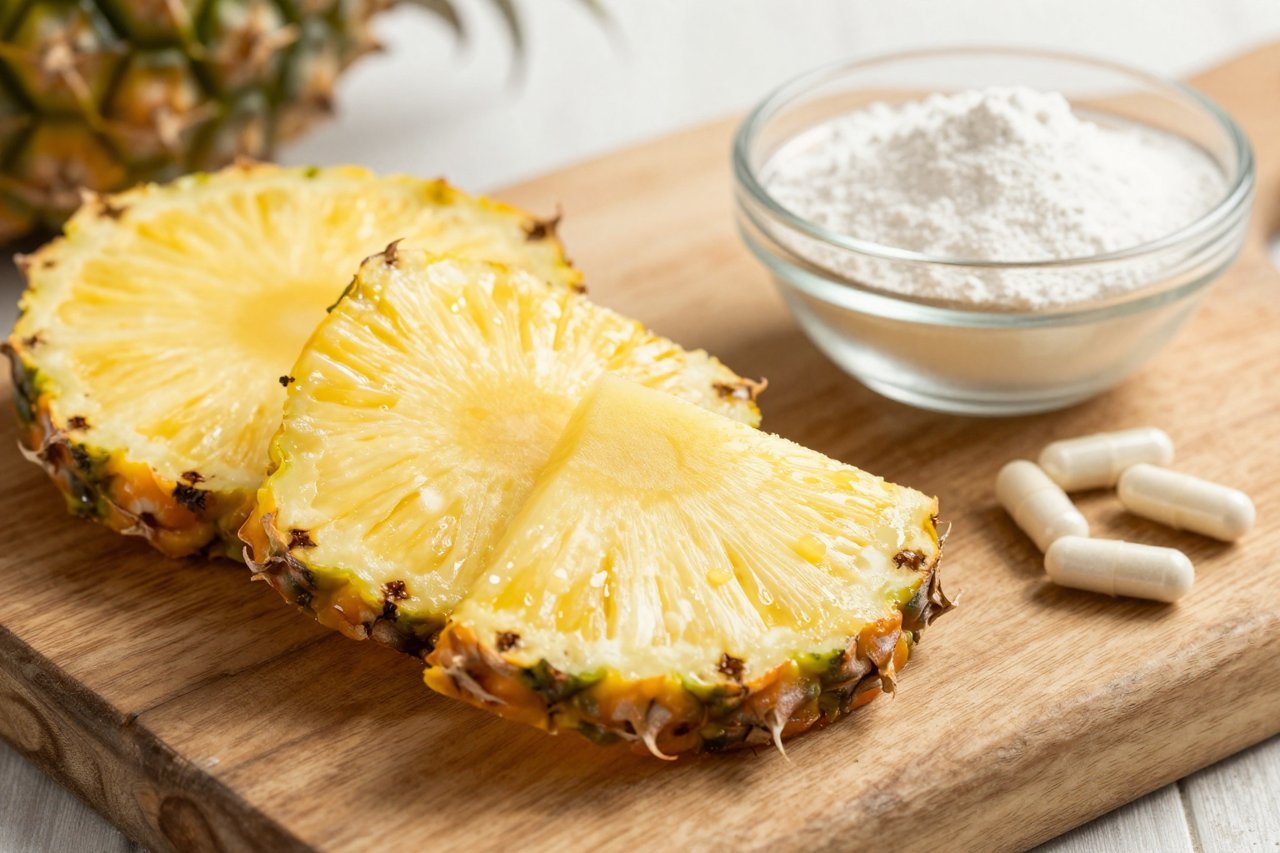
Pineapple on pizza is controversial. But the enzyme inside pineapple, bromelain, is a different story. It’s been used for centuries in traditional medicine, and now it’s popping up in supplement aisles everywhere. If you’ve ever wondered whether a bromelain supplement is worth your money, you’re in the right place.
Bromelain isn’t just a trendy supplement. It has decades of research behind it, though the quality of that research varies. It can help with everything from post-surgery swelling to digestion. But it’s not a magic bullet, and it doesn’t work for everyone. Here’s what you need to know before you buy.
What Exactly Is Bromelain?
Bromelain isn’t a single compound. It’s a group of proteolytic enzymes found in the stem and fruit of pineapple. The highest concentration is in the stem, which is why most supplements use stem extract. These enzymes break down proteins into smaller pieces, which is why they’re often used as a meat tenderizer. In your body, they can do a lot more than tenderize a steak.
Supplements are usually standardized to ensure consistent enzyme activity. You’ll see units like GDU (gelatin digesting units) or MCU (milk clotting units) on the label. A typical dose might be 500 mg providing 1,200 GDU. That’s more potent than eating a few slices of pineapple. For reference, a cup of fresh pineapple contains about 0.5 grams of bromelain, but the enzyme activity is much lower than a standardized supplement.
Why People Take Bromelain Supplements
People take bromelain for a range of reasons, from easing joint pain to helping with digestion. Here are the most common ones.
Reducing Inflammation and Swelling
Bromelain has anti-inflammatory properties. Studies show it can help reduce swelling after surgery or injury. For example, a review of 10 studies found that bromelain reduced post-operative swelling and pain compared to placebo. Athletes sometimes use it for muscle soreness. One study on runners found that bromelain reduced muscle soreness after a long run, though the effect was modest.
Digestive Support
Because it breaks down protein, bromelain can help if your stomach struggles with heavy meals. It’s often combined with other enzymes like papain for a digestive blend. If you feel bloated after a steak, a bromelain supplement might ease that. Some people take it before a big meal to prevent that overly full feeling.
Sinus and Respiratory Health
Bromelain may thin mucus and reduce inflammation in the sinuses. Some research suggests it can help with sinusitis, especially when combined with quercetin. A 2014 study found that a combination of bromelain and quercetin reduced sinus symptoms better than standard treatment alone. If you get frequent sinus infections, it might be worth discussing with your doctor.
Post-Exercise Recovery
Some athletes take bromelain to reduce muscle damage and soreness after intense workouts. A small study on runners found that bromelain reduced muscle soreness and improved recovery. But more research is needed. It’s not a substitute for proper rest and nutrition.
Other Potential Benefits
Bromelain has been studied for:
- Reducing arthritis pain
- Preventing blood clots (when taken with other treatments)
- Helping with burns and wound healing
- Enhancing antibiotic absorption
- Possible anti-cancer effects (very early research)
You can read more about these in our article on 12 bromelain health benefits that may surprise you.
How to Choose a Quality Bromelain Supplement
Not all supplements are created equal. Here’s what to look for.
Standardization and Potency
Look for a product that specifies GDU or MCU. Higher GDU means more enzyme activity. A typical dose is 500-2000 mg per day, but it depends on the GDU. For example, 500 mg with 1,800 GDU is stronger than 1,000 mg with 500 GDU. Don’t just look at the milligrams; check the enzyme activity.
Form and Additives
Capsules are convenient. Some brands use enteric coating to protect the enzyme from stomach acid, so it reaches the intestines. Avoid fillers, artificial colors, and unnecessary ingredients. A clean label is a good sign.
Third-Party Testing
Choose brands that have been tested by independent labs like USP, NSF, or ConsumerLab. This ensures purity and potency. It’s worth paying a bit more for a brand you can trust.
Dosage Tips
For inflammation, take on an empty stomach. For digestion, take with meals. Start with a lower dose and increase if needed. Always follow the label or your doctor’s advice. Some people take 500 mg three times a day for inflammation, but that’s a general guideline.
Potential Side Effects and Who Should Avoid It
Bromelain is generally safe for most people, but it can cause side effects like nausea, diarrhea, or allergic reactions. If you’re allergic to pineapple, avoid it.
Interactions: Bromelain can increase the effects of blood thinners (like warfarin), so talk to your doctor if you take them. It may also interact with antibiotics, and some medications. Stop taking bromelain at least two weeks before surgery.
Pregnancy and breastfeeding: Not enough research, so consult a healthcare provider.
What the Research Actually Says
Bromelain has been studied for decades, but many studies are small or low quality. Still, the evidence is promising for some conditions.
For example, a 2014 study on knee osteoarthritis found that bromelain reduced pain and improved function. A 2016 review concluded that bromelain is effective for reducing pain and swelling after surgery. But the evidence for cancer prevention is preliminary. The supplement industry isn’t tightly regulated, so quality varies. That’s why choosing a reputable brand matters.
A Sensible Approach to Bromelain Supplements
If you’re curious about bromelain, start with a small dose and see how your body responds. Keep a journal of your symptoms. If you’re taking it for inflammation, give it a couple of weeks. For digestion, it may work immediately.
Don’t rely on bromelain as a sole treatment for serious conditions. Think of it as a complement to a healthy diet and medical care. And if you’re on any medication, run it by your doctor first.
