 1-800-656-4211




Blog
Hyaluronic Acid Dietary Supplements: Do They Actually Work for Skin and Joints?

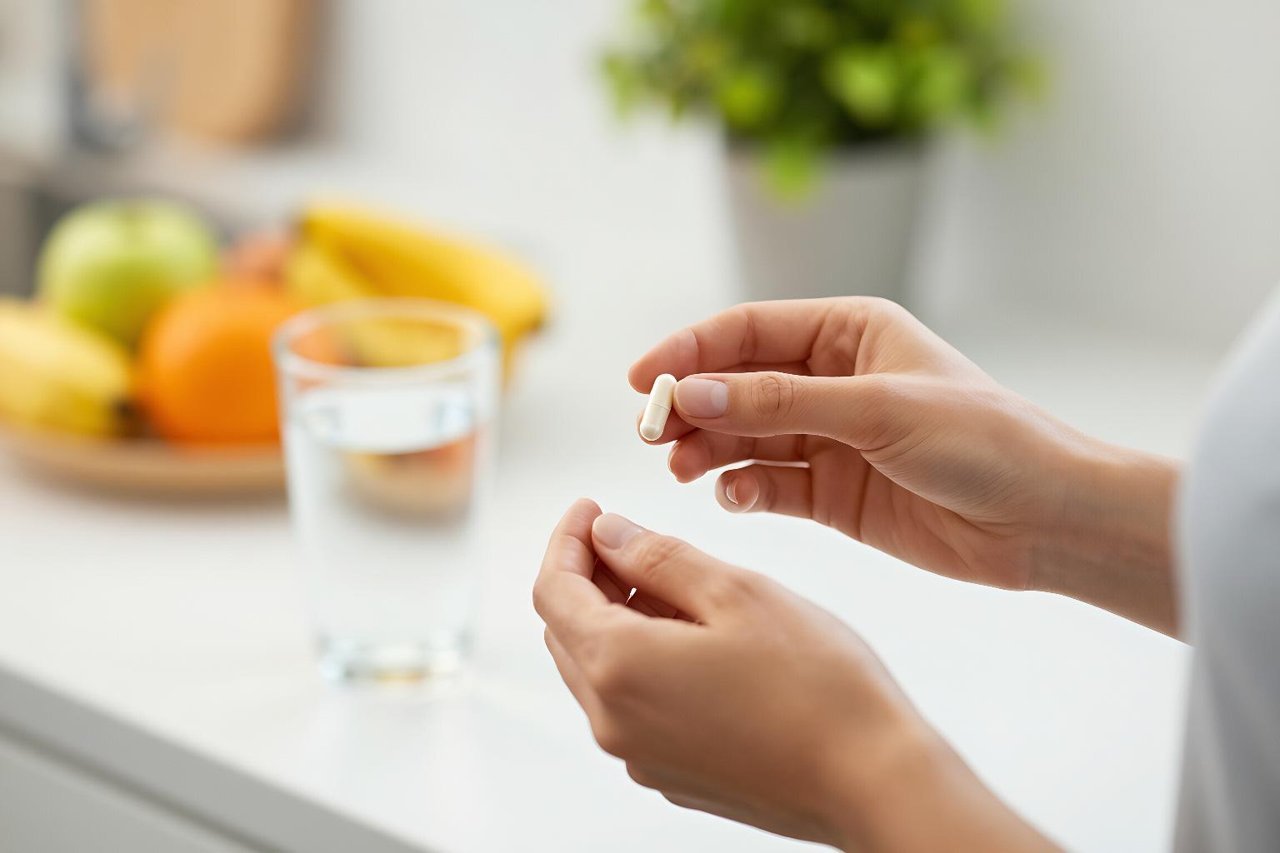
Hyaluronic acid has been a skincare superstar for years, but lately it’s showing up in pill form too. Walk down any supplement aisle and you’ll see capsules and powders promising plumper skin, lubricated joints, and even relief for dry eyes. The idea is simple: if hyaluronic acid holds moisture in your tissues, taking it orally might support those tissues from the inside out. But does it actually work? The answer is more nuanced than most marketing suggests.
What Hyaluronic Acid Does in Your Body
Hyaluronic acid (HA) is a naturally occurring molecule found throughout your body, with the highest concentrations in your skin, connective tissues, and eyes. It acts like a sponge, holding up to 1,000 times its weight in water. That’s why it keeps your skin looking hydrated and your joints moving smoothly. Your body produces HA on its own, but production declines with age. By the time you hit 50, you may have half as much as you did in your 20s.
That decline is one reason oral supplements have gained traction. The theory is that swallowing HA can replenish what’s lost, especially in the skin and joints. But your digestive system has something to say about that.
The Digestive Journey: Can Hyaluronic Acid Survive Your Stomach?
When you swallow a hyaluronic acid dietary supplement, it doesn’t go straight to your joints or skin. It first passes through your stomach acid and digestive enzymes. Some HA is broken down into smaller fragments, but research suggests that a portion can survive and be absorbed in the intestines. Once in the bloodstream, it’s taken up by cells that need it. However, the amount that reaches target tissues is still a subject of debate. Molecular weight matters: low-molecular-weight HA is absorbed more easily, but it may also be cleared faster. High-molecular-weight HA stays in the gut longer and might have different effects.
What the Research Says About Oral Hyaluronic Acid
Most studies on oral HA are small and often funded by supplement companies, so take them with a grain of salt. Still, some findings are encouraging.
- Skin hydration: A 2012 study in Japan found that women who took 240 mg of HA daily for 12 weeks had significantly better skin moisture and fewer wrinkles than a placebo group. Other trials using 100–200 mg daily have shown similar improvements in skin elasticity.
- Joint pain: Several studies on knee osteoarthritis suggest that oral HA can reduce pain and improve function, though the effects are modest. A 2015 meta-analysis concluded that it might be a safe alternative for people who don’t want injections.
- Dry eyes: Some research indicates that oral HA can improve symptoms of dry eye, likely by increasing tear production. But the evidence is less robust than for skin or joints.
Many studies use specific formulations, like sodium hyaluronate or a mix of high and low molecular weights. The results don’t always translate to every product on the shelf.
How to Choose a Quality Hyaluronic Acid Supplement
Not all HA supplements are created equal. Here’s what to look for:
- Form: Sodium hyaluronate is the most common and well-studied form. It’s essentially the salt of hyaluronic acid and is more stable.
- Dose: Most studies use 100–200 mg per day. Some products pack 500 mg or more, but there’s no evidence that higher doses work better. In fact, very high doses might cause digestive upset.
- Molecular weight: Look for a product that specifies low molecular weight (often listed as LMW-HA) or a blend of high and low. Low molecular weight is absorbed more easily, but high molecular weight may have anti-inflammatory benefits in the gut.
- Third-party testing: Choose brands that use independent labs like USP, NSF, or ConsumerLab to verify purity and potency. This ensures you’re not getting fillers or contaminants.
You’ll also see HA combined with other ingredients like collagen, vitamin C, or glucosamine. Those can be helpful, but they also make it harder to know what’s doing the work.
Hyaluronic Acid and Collagen: A Smart Pairing?
Collagen and hyaluronic acid often appear together in supplements, and for good reason. Collagen provides structural support to your skin and joints, while HA keeps them hydrated. Some research suggests they may work synergistically. If you’re considering a combined supplement, it’s worth understanding what the evidence says about each one. For a deeper look at the research on collagen, including what it can and can’t do, check out this guide to collagen supplementation. It’ll help you decide whether you need both or just one.
Potential Side Effects and Safety Considerations
Oral hyaluronic acid is generally considered safe. Side effects are rare and usually mild, like bloating, gas, or nausea. If you experience any of these, try lowering the dose or taking it with food.
People who are pregnant or breastfeeding should avoid HA supplements due to a lack of safety data. If you have a history of cancer, especially estrogen-sensitive cancers, talk to your doctor first. Some lab studies suggest HA might play a role in tumor growth, though this hasn’t been shown in humans taking oral supplements. As always, if you’re on medication or have a medical condition, check with your healthcare provider.
What to Expect and How to Track Results
Don’t expect overnight miracles. Most studies show benefits after 8 to 12 weeks of consistent use. Take your supplement daily with a full glass of water, since HA needs hydration to work. You can also support your body’s natural HA production by eating foods rich in magnesium, zinc, and vitamin C, or by staying active.
To track results, take a baseline photo of your skin in natural light, note your joint pain level on a scale of 1 to 10, and keep a simple log. After three months, compare. If you don’t notice any difference, it may not be worth the cost. But if your skin feels more supple or your knees ache less, you’ll know it’s helping.
And remember: supplements are just one piece of the puzzle. A nutrient-rich diet, adequate sleep, and sun protection will always matter more for your skin and joints than any pill. Use HA as a complement, not a replacement, for healthy habits.
