 1-800-656-4211




Blog
The Ultimate Guide to Soluble Fiber Supplements: Benefits, Types, and How to Choose

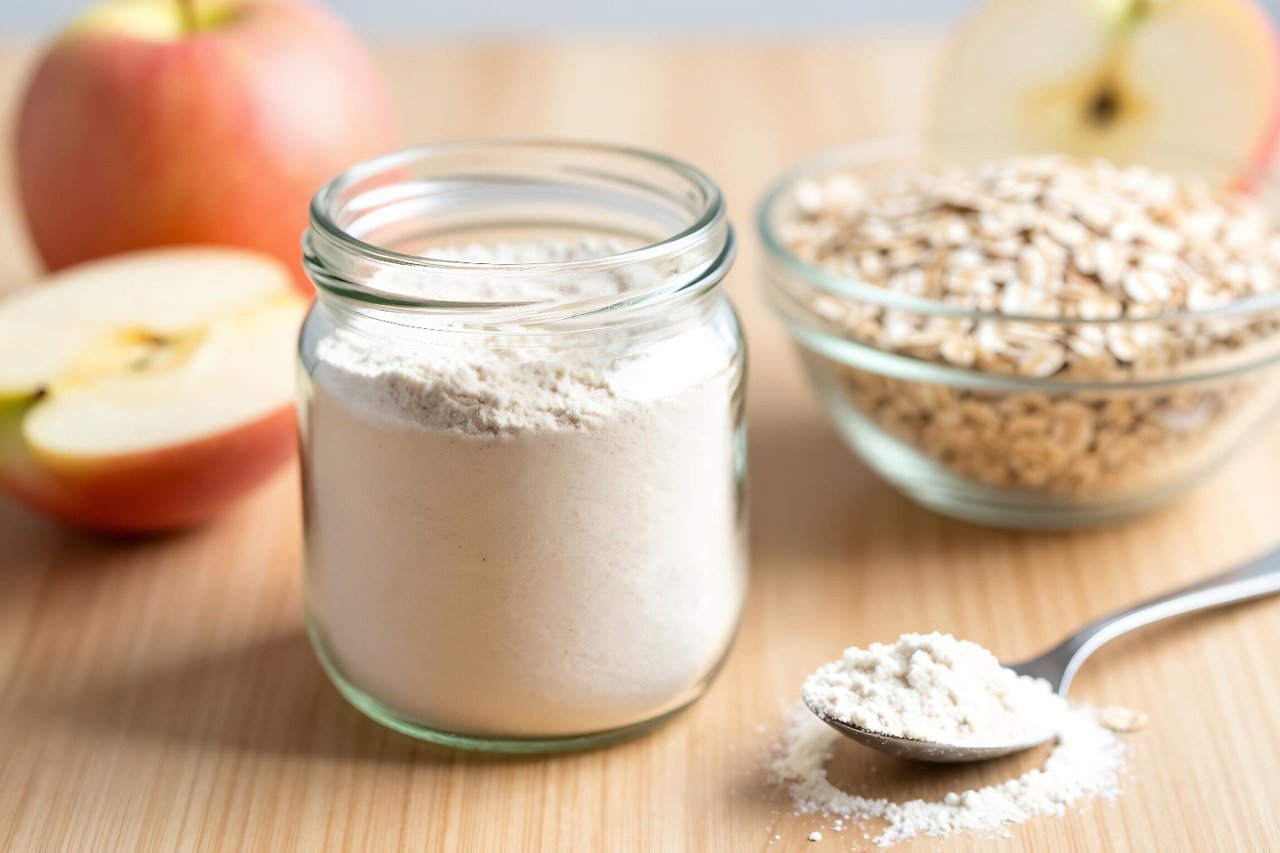
Soluble fiber is one of those nutrients that quietly works behind the scenes. It doesn’t get the hype of protein or vitamin C, but it plays a starring role in everything from digestion to heart health. If you’ve ever wondered whether a soluble fiber supplement is worth adding to your routine, the answer isn’t a simple yes or no.
It depends on your diet, your symptoms, and the type of fiber you choose. Let’s break it down.
What Exactly Is Soluble Fiber?
Fiber comes in two main forms: soluble and insoluble. Soluble fiber dissolves in water to form a gel-like substance. This gel slows down digestion, which helps regulate blood sugar and keeps you full longer. Insoluble fiber, by contrast, adds bulk to stool and works like a broom to keep things moving.
Most plant foods contain a mix of both, but some foods are especially rich in soluble fiber: oats, barley, beans, apples, carrots, and psyllium. That’s why you’ll often see psyllium husk as the main ingredient in commercial fiber supplements.
Why You Might Need a Soluble Fiber Supplement
The average adult gets about 15 grams of fiber per day, far below the recommended 25 to 38 grams. And even when people do hit that target, they often rely on wheat bran and other insoluble sources. That leaves a gap.
Soluble fiber supplements are useful when:
- You struggle to eat enough fiber-rich foods.
- You have constipation that isn’t responding to hydration or exercise.
- You want to lower LDL cholesterol or stabilize blood sugar.
- You’re managing irritable bowel syndrome (IBS) and need a gentle, non-fermenting option.
If you’re dealing with constipation specifically, you might want to read about fiber supplements for constipation to see which types are backed by evidence. Not all fiber acts the same way, and choosing the wrong one can make things worse.
The Main Types of Soluble Fiber Supplements
The market is crowded, but these are the big players. Each has its own personality.
Psyllium Husky
Psyllium comes from the seeds of Plantago ovata. It’s probably the most studied soluble fiber. A meta-analysis in the American Journal of Clinical Nutrition found that psyllium consistently lowers LDL cholesterol when taken at 10 grams per day. It also forms a very thick gel, which makes it excellent for constipation and for slowing the absorption of sugar after meals.
The downside? That same gel can make you feel bloated if you don’t ramp up gradually. Mix it with a full glass of liquid and drink it immediately, because it thickens fast.
Inulin and Oligofructose
Inulin is a fructan, a type of fiber found in chicory root, onions, and garlic. It acts as a prebiotic, feeding the beneficial bacteria in your colon. Many brands use inulin as the base for their fiber gummies because it tastes mildly sweet.
In clinical trials, inulin has shown benefits for gut microbiota diversity and bowel regularity. However, it ferments quickly in the gut, which means it can cause gas and discomfort in sensitive individuals. If you have IBS, you might want to avoid high-dose inulin.
Beta-Glucan
Beta-glucan is the soluble fiber found in oats and barley. It’s famous for its cholesterol-lowering properties. The FDA authorizes a health claim for oat beta-glucan and reduced risk of cardiovascular disease. It’s also very gentle on the stomach, making it a good starting point if you’re new to fiber supplements.
That said, beta-glucan supplements are less common than psyllium. You’ll more often find it in oatmeal or as a powder you can mix into smoothies.
Partially Hydrolyzed Guar Gum (PHGG)
Guar gum is a bean-derived fiber. The partially hydrolyzed version is broken down into shorter chains, which makes it more tolerable. PHGG is used in research for IBS and can help with diarrhea-predominant symptoms. In one study, 5 grams per day reduced bloating and constipation in IBS patients after 12 weeks.
It has almost no taste and dissolves completely in cold liquids, which makes it easy to add to water or juice. It’s also the main ingredient in many “gentle” fiber formulas.
How to Choose the Right Soluble Fiber Supplement
Now comes the practical part. You can’t just pick any product off the shelf and expect the same result. Here’s how to narrow it down based on your goals.
For Heart Health
If your main goal is lowering LDL cholesterol, psyllium or beta-glucan are your best bets. Look for a product that contains at least 7 grams of soluble fiber per serving, which is the dose used in many cholesterol studies. The brand Metamucil uses psyllium, and Jarrow Formulas also offers a psyllium powder that mixes easily.
For Blood Sugar Control
People with prediabetes or type 2 diabetes often benefit from soluble fiber taken before meals. The gel slows gastric emptying, which blunts the post-meal glucose spike. Psyllium has the most evidence here. A 2020 randomized controlled trial showed that taking 10 grams of psyllium before meals significantly reduced post-meal blood sugar in overweight adults.
For Digestive Comfort and IBS
If you struggle with bloating or have a sensitive gut, choose something low-fermenting like PHGG or psyllium. Avoid inulin if gas is a concern. Start at half the recommended dose and gradually increase over a week.
And if you’re exploring whole food options, dragon fruit is a surprisingly rich source of prebiotic fiber. You can read more about dragon fruit benefits if you want a tasty way to supplement your intake naturally.
How to Take Soluble Fiber Without the Bloating
Fiber supplements fail most people because they ignore the golden rule: start slow and drink plenty of water. If you’ve never taken one, begin with half the suggested serving for the first three days. Then increase incrementally.
Also, timing matters. Some experts recommend taking soluble fiber 15 to 30 minutes after a meal. That way it mixes with the food and doesn’t just sit in an empty stomach. If you take it before bed, you might wake up feeling gassy. There’s no universal right time, though. Listen to your body.
Mixing: put the powder in a glass or shaker bottle with at least 250 ml of liquid. Stir briskly and drink immediately, because the gel will set. For capsules, take them one at a time with sips of water between, rather than all at once.
Hydration is non-negotiable. Soluble fiber needs water to gel properly. If you’re not drinking enough, you’ll end up with a sticky plug rather than smooth movement.
Potential Side Effects and Precautions
Bloating, gas, and cramping are the most common side effects, especially in the first two weeks. These usually fade as your gut microbiome adjusts. If they don’t, switch to a different type of fiber. It doesn’t mean you’re doomed to be bloated forever.
More serious concerns are rare but worth noting. Soluble fiber can interfere with the absorption of certain medications, including some diabetes drugs, thyroid hormone replacement, and tricyclic antidepressants. The general advice is to take medications at least one hour before or two hours after your fiber supplement.
Also, if you have a history of bowel obstruction or difficulty swallowing, talk to your doctor before adding psyllium or any bulk-forming fiber. The gel can become a choking hazard if taken without enough liquid.
One more thing: Not all supplements are created equal. Check the label for sugar content and artificial sweeteners, especially in flavored powders. Always choose a product with minimal additives. And if you’re vegan, look out for capsules made from gelatin.
And if you want to dig deeper into supplement quality, you might find the same principles apply to other nutrients. For example, this analysis of vitamin C supplements explains why form and dose matter just as much as claims on the bottle.
In the world of supplements, fiber is one of the few that has clear, consistent evidence behind it. Whether you choose psyllium, PHGG, or just eat more oatmeal, your gut will thank you.
