 1-800-656-4211




Blog
Weight Loss Supplements: What the Labels Promise and the Evidence Actually Shows

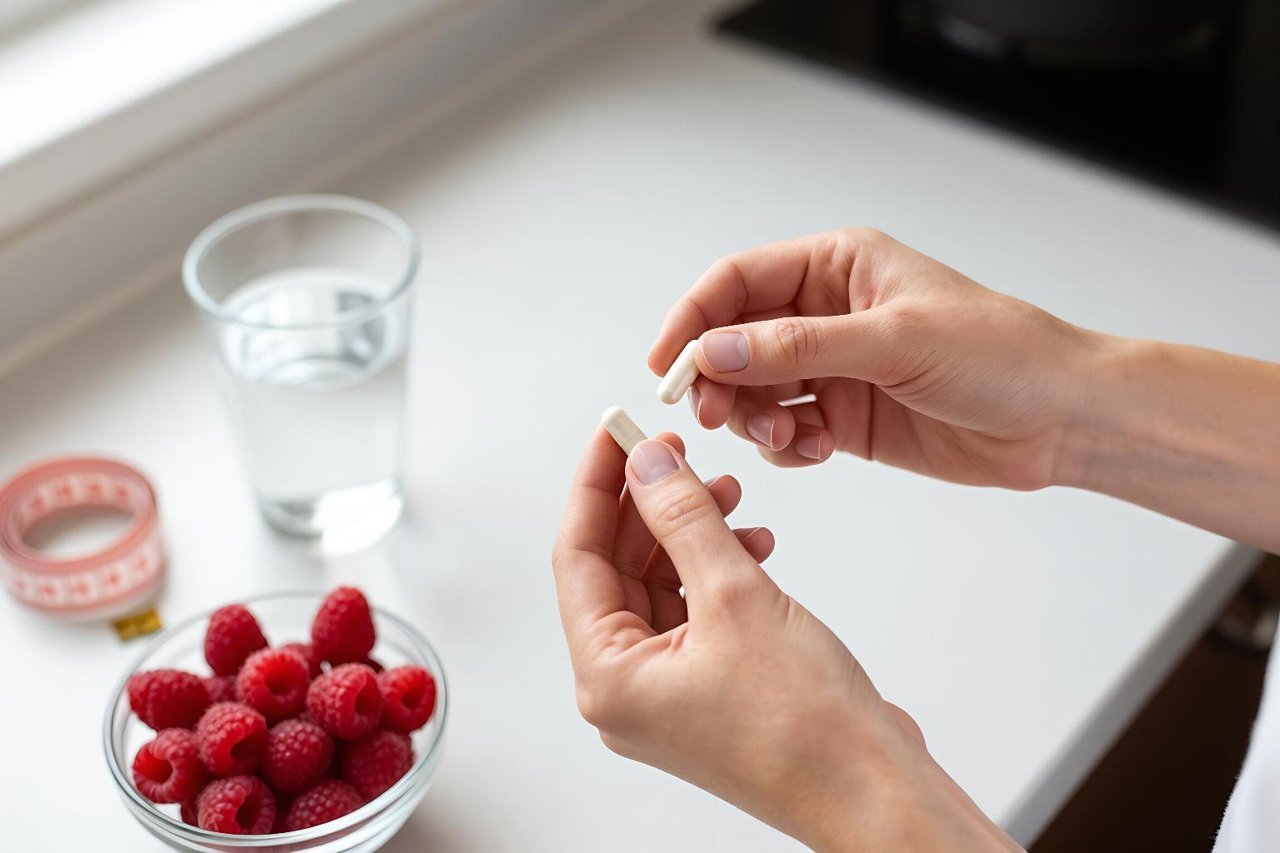
A bottle on the pharmacy shelf promises 4.5 kg gone in 30 days. “Clinically proven,” the label says. No diet or exercise required. The active ingredient is a berry extract that, in the single human trial the brand cites, produced a 0.9 kg difference over eight weeks in a study of 20 people. That gap between the label and the data is roughly where the whole weight loss supplement industry lives.
None of which means every product in the aisle is useless. A few have real, if modest, evidence behind them. Some are genuinely worth the money for specific people. The trick is telling those apart from the ones that are just clever packaging, and knowing where dietary supplements and weight loss claims stop being hopeful and start being unsafe.
Why the claims get away with so much
In the United States, supplements fall under a 1994 law called DSHEA. Unlike drugs, they don’t need approval from the Food and Drug Administration before sale. The company is responsible for safety and for making sure label claims are truthful, but nobody checks that in advance. Enforcement happens after complaints, and the FDA has issued warning letters about tainted weight loss products for two decades running.
Europe is stricter on advertising. Health claims have to be authorised under Regulation 1924/2006, and most weight loss ingredients have no authorised claim at all. Phrases like “detox” and “burns fat” aren’t permitted on EU packaging. Yet the same products still appear on social media and imported websites, where the rules are effectively whatever the seller’s copywriter decides.
One detail worth knowing: “clinically proven” is a marketing phrase, not a regulatory standard. It usually means a study exists somewhere. It says nothing about whether the study was well designed, whether it was done in humans, or whether it lasted longer than a fortnight.
The supplements with actual evidence behind them
A handful of products have survived decent trials. The effects are small, and they work best as support for a diet that’s already sensible.
Protein powders and meal replacements
This is the least glamorous category and the most useful. A shake won’t burn fat, but it makes hitting 1.6 g of protein per kilogram of bodyweight far easier, and protein is the nutrient that keeps hunger manageable while you’re in a calorie deficit. Total diet replacement programmes, the 800-calorie soup-and-shake protocols used in NHS Type 2 diabetes remission work, produce some of the strongest weight loss results in the literature precisely because they control portions and protein at the same time.
Fibre supplements
Psyllium and glucomannan thicken in the stomach and slow digestion. Trials typically show a difference of 1 to 3 kg over 8 to 12 weeks compared with placebo, which is modest but real. The catch: you need 3 to 5 g with a large glass of water before meals, three times a day, or nothing happens. Glucomannan capsules swallowed without enough water have caused esophageal blockage, so follow the label.
Caffeine and green tea catechins
200 mg of caffeine before training lifts energy expenditure by roughly 3 to 4% for a couple of hours and improves how much work you can do in a session. Green tea extract adds a little on top, with meta-analyses landing around 1 to 2 kg over 12 weeks, mostly in people who were also dieting. Nothing dramatic. Cheap, though, and safe for most healthy adults under 400 mg of caffeine a day.
Micronutrients for specific situations
Nobody loses weight from a multivitamin. But if you’re eating 1,400 calories a day for six months, or you’ve had bariatric surgery, or you take metformin, your risk of deficiencies rises. B12, iron, vitamin D and calcium are the ones that come up most. That’s a conversation to have with a GP or dietitian rather than a decision to make from a shelf.
The bestsellers that don’t hold up
- Garcinia cambogia. Early reviews were cautiously positive, then better-designed trials found no difference from placebo. Regulators in several countries have flagged liver injury reports.
- Raspberry ketones. Famous from a daytime TV segment. There is no published human weight loss trial. The mouse study used doses hundreds of times higher than a capsule.
- Green coffee bean extract. The 2012 study everyone cited was retracted in 2014 for data problems. Replication attempts found nothing.
- Forskolin. A couple of tiny studies, one of which lost roughly a third of its participants to follow-up. Not a basis for spending £40 a month.
- CLA (conjugated linoleic acid). Meta-analyses put the effect at about 0.1 kg per month, and it slightly worsens blood lipids in some people.
- Detox teas. Many contain senna, a laxative. Any weight lost is water and stool, and it returns the moment you eat.
- Exogenous ketones. They raise blood ketone levels. That is not the same as burning body fat, and the trials show no meaningful loss.
The risks that don’t make it onto the label
Adulteration
This is the serious one. Slimming products seized across Europe have repeatedly tested positive for sibutramine, a withdrawn appetite suppressant linked to heart attacks and strokes, along with fluoxetine and hidden laxatives. These aren’t fringe websites only; the same capsules turn up on mainstream marketplaces under dozens of brand names. If a product produces dramatic weight loss within a week, that’s a reason to be suspicious, not impressed.
Liver and kidney injury
High-dose green tea extract capsules appear on the US LiverTox database of drug-induced liver injury, with cases mostly in women taking concentrated extracts on an empty stomach. Herbal slimming products from unregulated sources have caused kidney failure, in some cases through contamination with toxic plant material.
Stimulants and your heart
Synephrine from bitter orange, yohimbine and high-dose caffeine raise heart rate and blood pressure. For anyone with hypertension, an arrhythmia, anxiety or a thyroid condition, that’s a meaningful risk. Yohimbine in particular triggers panic-like symptoms in a fair number of people.
Interactions with medication
Fibre supplements can bind levothyroxine and reduce absorption. St John’s wort, sometimes added to “mood and metabolism” blends, undermines hormonal contraception and warfarin. Calcium and iron block each other and several antibiotics. If you take prescription medication, run any supplement past a pharmacist first. It takes five minutes and it matters.
Laxative and diuretic abuse
Long-term use of stimulant laxatives causes dependence and electrolyte loss. Low potassium from diuretics can trigger palpitations and, rarely, dangerous arrhythmias. This pattern shows up most in people with eating disorders, which is part of why the marketing of slimming products to teenagers deserves the scrutiny it gets.
How to vet a product in five minutes
- Look for third-party testing. NSF Certified for Sport, Informed Sport or USP Verified means someone independent checked what’s actually in the bottle.
- Check the dose against the research. If the trial used 3 g of a fibre and the capsule holds 500 mg, the label is borrowing credibility it hasn’t earned.
- Distrust proprietary blends. A list of 12 ingredients with a combined weight lets the manufacturer hide that most of them are sprinkles.
- Search the ingredient plus “adverse event” or “liver injury”. Ten minutes on PubMed or a regulator’s alert page beats any influencer review.
- Set a deadline. Give it 8 to 12 weeks, judge it on waist measurement and how your clothes fit rather than daily scale weight, and stop if nothing has moved.
What actually shifts the number on the scale
Protein at breakfast, somewhere between 30 and 40 g, blunts appetite for hours. Sleeping less than six hours raises ghrelin and makes the next day’s food decisions measurably worse, which is why a bad night often leads to a 400-calorie overshoot. Two or three resistance sessions a week protect muscle while you diet, and muscle is what keeps resting metabolic rate from sliding. A 300 to 500 calorie daily deficit produces 0.3 to 0.5 kg of loss per week, right up until it doesn’t, because adherence fades around week 10 for most people.
Supplements can sit alongside all of that. They cannot replace any of it. If a product claims otherwise, the claim is the product and you’re paying for the bottle. Buy the protein, spend the leftover on vegetables and a decent pair of trainers, and if you do want to try something from the shelf, pick one with a single ingredient, a dose that matches the research, and a testing seal on the front.
