 1-800-656-4211




Blog
Thermogenic Supplements Explained: What They Really Do (and What They Don’t)

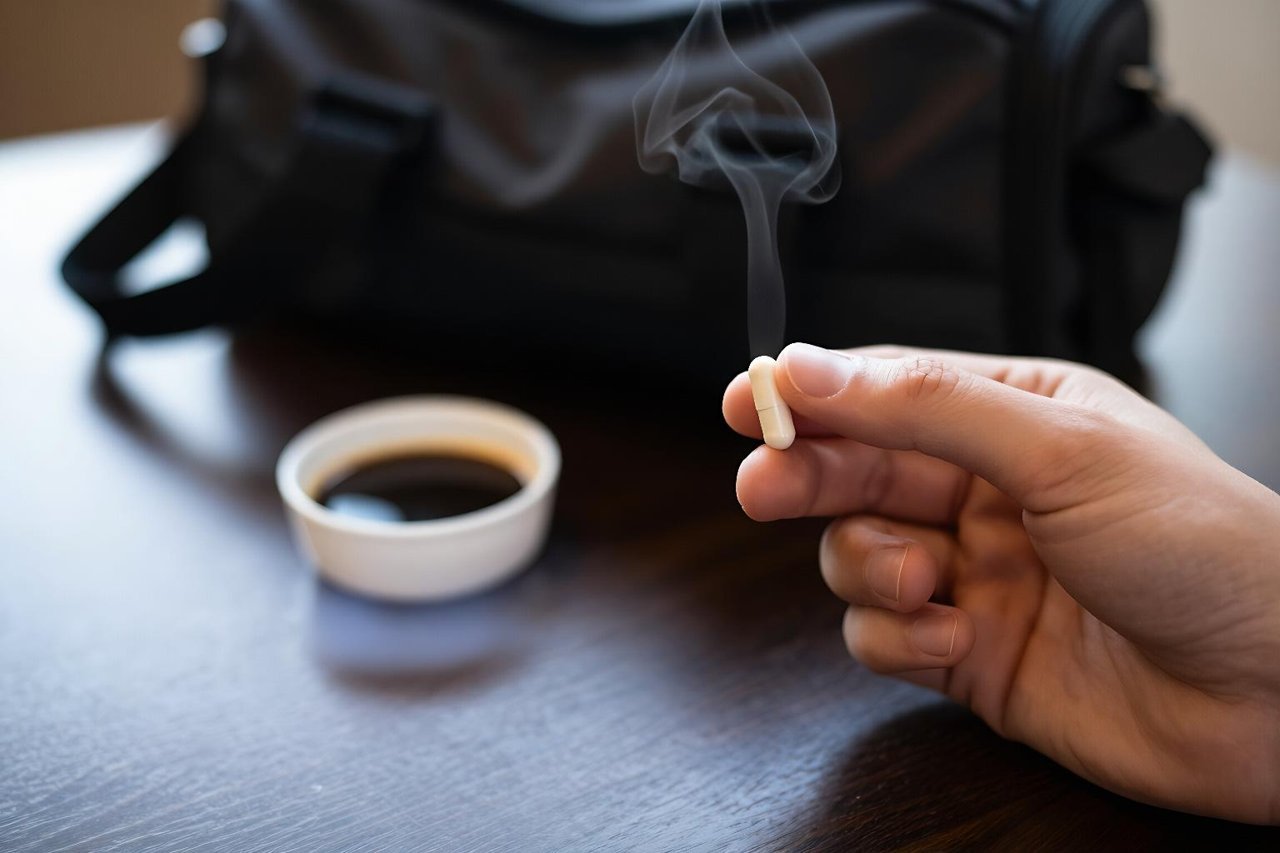
The first time someone hands you a thermogenic fat burner, the experience is hard to miss. Twenty minutes later your ears feel warm, your palms are slightly damp, and your heart is tapping a little faster against your ribs. That cluster of sensations is the product working exactly as designed, or at least as marketed. Whether it translates into meaningful fat loss is a separate question, and one worth settling before you spend £40 a month on capsules.
So here’s thermogenic supplements explained without the hype: what the word actually means, which ingredients have real evidence behind them, and where the genuine risks sit.
What “thermogenic” actually means
Thermogenesis is simply the body generating heat. Every time you digest a meal, a slice of the energy in it is lost as heat rather than stored. This is diet-induced thermogenesis, and it accounts for roughly 10% of daily energy expenditure. Protein is expensive to process compared with fat or carbohydrate, which is one reason high-protein diets show a small metabolic edge.
A thermogenic supplement claims to nudge that furnace higher, lifting resting metabolic rate by a percentage point or two so you burn extra calories sitting at a desk. On paper, that’s plausible. Caffeine genuinely does raise metabolic rate. The distance between plausible and profitable, though, is where most of these products live.
What’s usually in the bottle
Most formulas pair one or two stimulants with a handful of plant extracts. The exact recipe varies, but the cast list is remarkably consistent.
The stimulant backbone
Caffeine is the workhorse, typically 100–200mg per capsule and sometimes 300mg. It raises resting energy expenditure by around 3–4% for a few hours. The bigger effect is that it blunts appetite and lets you train harder, which matters more for fat loss than the metabolic bump.
Synephrine, from bitter orange, is the stimulant that largely replaced ephedrine after the FDA banned it in 2004. Yohimbine, extracted from the bark of an African tree, blocks certain adrenaline receptors and tends to appear in the “hardcore” end of the shelf.
The plant extracts
Green tea extract supplies catechins, chiefly EGCG, which slow the breakdown of noradrenaline. Capsaicin from chilli peppers appears as cayenne or as capsinoids. Then there’s green coffee bean, raspberry ketones, chromium picolinate, L-carnitine, and black pepper extract added to improve absorption of everything else.
The benefits the evidence does support
Credit where it’s due. Some of these ingredients do something measurable.
- Caffeine at 3–6mg per kg of bodyweight raises energy expenditure for two to three hours and reliably improves endurance output. For a 75kg person that’s 225–450mg, which is a hefty dose in one hit.
- Green tea catechins combined with caffeine have produced small but repeatable effects across trials, in the region of 50–100 extra calories a day. The catechin doses studied are usually 250–500mg of EGCG, far beyond what a few cups of tea deliver.
- Capsaicin and capsinoids show modest rises in energy expenditure and fat oxidation. We’re talking 10–50 kcal a day at the optimistic end.
- Appetite suppression is the underrated one. If a stimulant stops you eating 200 calories you’d otherwise have eaten, that’s worth more than any thermogenic effect in the formula.
Add those numbers up and a strong product might shift daily expenditure by 100 calories. That’s a banana. Over a year, with perfect compliance and nothing else changing, it’s a few kilograms. Real life rarely cooperates with perfect compliance.
The risks worth taking seriously
Cardiovascular strain
Stimulants raise heart rate and blood pressure. For a healthy 25-year-old that’s usually tolerable. For anyone with hypertension, an arrhythmia or a family history of cardiac events, the calculation changes completely. Synephrine has been linked to reports of raised blood pressure and adverse cardiac events, and the evidence supporting its fat-loss benefit is thin.
Accidental stimulant stacking
The common problem isn’t one product, it’s three. A pre-workout at 6am with 250mg caffeine, a thermogenic capsule at noon with another 200mg, a coffee at 3pm, and you’re at 600mg before dinner. That’s the upper daily limit for most adults, and enough to trigger anxiety, palpitations and insomnia in people who’d never describe themselves as caffeine sensitive.
Yohimbine and anxiety
Yohimbine is a noradrenergic agent that can produce jitters, elevated blood pressure and something close to panic in susceptible people. It interacts badly with many antidepressants, and it’s rarely dosed anywhere near the 0.2mg/kg used in research.
Liver and metabolic signals
High-dose green tea extract has been associated with a small number of liver injury cases, mostly at 700mg+ of catechins taken on an empty stomach. L-carnitine raises TMAO, a compound linked to cardiovascular risk, though how much that matters clinically is still debated.
Regulatory gaps
In most countries supplements aren’t pre-approved for safety. Ingredients get pulled after problems surface, not before. DMAA is the textbook case: it sat in dozens of best-selling products until 2013, when it was removed following deaths and hospitalisations. Proprietary blends make it worse, because they let a manufacturer hide individual doses behind a single total weight.
Who should skip thermogenics entirely
Anyone pregnant or breastfeeding, anyone under 18, and anyone with uncontrolled high blood pressure, a heart condition, an anxiety disorder or a thyroid condition. If you take ADHD medication, MAO inhibitors or decongestants, the cumulative stimulant load is a genuine concern rather than a theoretical one.
How to read a thermogenic label in 60 seconds
- Total caffeine per serving, including caffeine anhydrous hidden in a blend. Aim to stay under 400mg a day across everything.
- Proprietary blends with no individual doses listed are a red flag. You can’t judge what you can’t measure.
- Higenamine, synephrine and yohimbine together in one capsule is a stack worth avoiding unless a doctor has signed off.
- Third-party testing such as Informed Sport or NSF Certified for Sport, which matters more if you compete in a tested sport.
Where thermogenics actually fit in a real plan
If you enjoy the buzz and the ritual of a pre-training capsule, a simple caffeine source plus 200mg of green tea extract will cost you a fraction of a branded fat burner and give you most of whatever benefit exists. Take it before training rather than as a between-meals snack, and stop caffeine by early afternoon so sleep doesn’t take the hit.
The calories you control deliberately will always beat the calories a pill tries to burn for you. Thirty-five grams of protein at breakfast instead of a pastry is worth roughly 150 calories. Walking 8,000 steps instead of 3,000 is worth 200. Sleeping seven hours instead of five keeps hunger hormones in a saner range, which is worth more than any appetite-suppressant stimulant on the market.
Thermogenic supplements are a small lever on a big machine. They can shave the edges off an appetite and give you a slightly better session, and that’s the honest ceiling. If a product promises to melt fat while you change nothing else, the ingredient doing the heavy lifting is marketing.
