 1-800-656-4211




Blog
The Truth About Vitamin B12 Supplements (And Who Really Should Take Them)

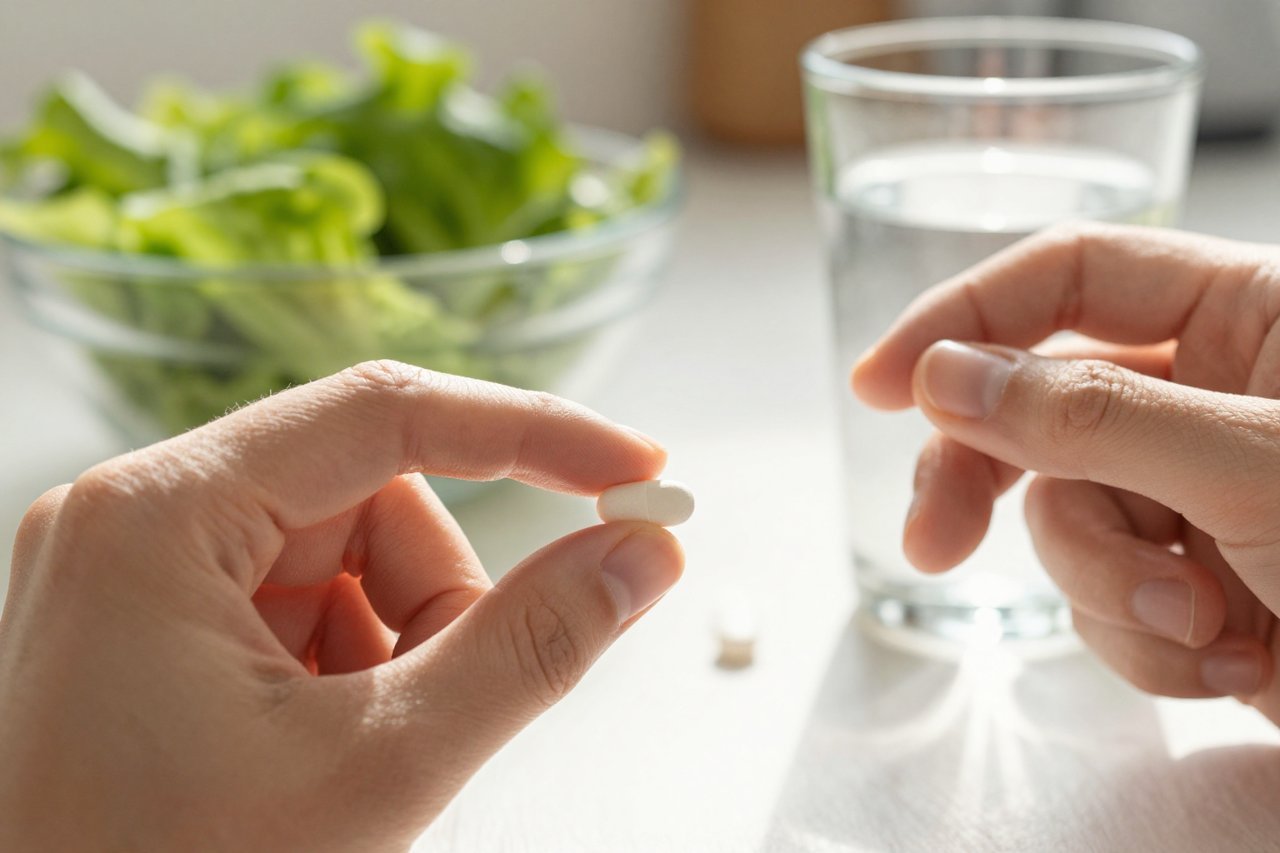
You’ve probably stood in the supplement aisle and wondered whether you should be taking vitamin B12. Maybe you’re tired, brain-fogged, or someone just told you that a daily pill will fix your energy levels. The reality is more nuanced. Some people genuinely need a B12 supplement to stay healthy, while others are spending money on pills their bodies barely use. Here’s how to tell the difference, and what to look for if you decide to supplement.
What Vitamin B12 Actually Does in Your Body
Vitamin B12 doesn’t give you energy on its own. It plays a supporting role in converting the food you eat into glucose, which your cells use for fuel. That’s why a deficiency often shows up as fatigue. But the more critical jobs are happening behind the scenes.
Your body needs B12 to:
- Produce healthy red blood cells and prevent a specific type of anaemia
- Maintain the myelin sheath that insulates your nerves and speeds up electrical signals
- Synthesise DNA, the genetic blueprint in every cell
- Lower homocysteine levels, an amino acid linked to heart and brain health when elevated
Without enough B12, nerve damage can become permanent. That’s why the early signs are worth paying attention to.
Why Deficiency Is So Surprisingly Common
B12 deficiency isn’t rare, even in wealthy countries. It’s estimated that up to 10-15% of people over 60 have a clinical deficiency, and that number climbs higher when you look at mild, functional shortfalls.
The stomach acid problem
B12 in food is bound to proteins. Your stomach acid releases it so it can bind with a protein called intrinsic factor, which then carries it into your bloodstream. As you get older, stomach acid production often drops. So even if you eat a steak or an egg, you might not extract much B12 from it. Long-term use of acid-reducing drugs like proton pump inhibitors can make this much worse.
The plant-based diet gap
B12 is naturally found almost exclusively in animal products. Vegetarians and vegans face a real risk of deficiency, especially after a few years of avoiding meat, fish, eggs, and dairy. The common advice to rely on fortified cereals and plant milks sounds good on paper, but many people don’t eat them consistently enough.
The “I take it just in case” crowd
There’s also a large group of people supplementing with B12 without any clear reason. They might feel tired, or they saw an influencer touting it. For them, a daily high-dose supplement is usually harmless, but it’s also often unnecessary. The body only absorbs a tiny fraction of what you swallow, and the excess is flushed out in urine.
Signs You Might Be Low
B12 deficiency develops gradually. You might notice the early signs for months before it becomes serious. Common symptoms include:
- Persistent fatigue or weakness that doesn’t improve with sleep
- Tingling, numbness, or a “pins and needles” feeling in your hands or feet
- Balance issues and unsteadiness
- Brain fog, poor memory, or trouble concentrating
- A sore, smooth-looking tongue
- Pale or yellowish skin
- Mood changes, irritability, or mild depression
These symptoms overlap with many other conditions, so the only reliable way to know is a blood test. And don’t assume a standard result is always accurate. Some researchers argue that current B12 guidelines may miss early brain risks, especially if your levels are in the grey zone between 200 and 400 pg/mL.
Types of Vitamin B12 Supplements
If you decide to supplement, you’ll run into two main forms on the shelf: cyanocobalamin and methylcobalamin.
Cyanocobalamin vs. methylcobalamin
Cyanocobalamin is the synthetic form, and it’s the one used in most studies. It’s stable, cheap, and your body converts it into active forms. Methylcobalamin is already in its active coenzyme form, which sounds better in theory. For most people, methylcobalamin is absorbed slightly better and may stay in the tissues longer. It’s also more expensive. If you have a genetic variation like the MTHFR mutation, methylcobalamin might be a smarter choice because it skips a conversion step your body may struggle with.
Pills, sublingual drops, and sprays
Traditional tablets are effective for most people. Sublingual forms dissolve under your tongue and are marketed as being absorbed faster. The science isn’t clear that they work better, but they’re a good option if you have trouble swallowing pills. Nasal gels and sprays are also available, usually by prescription. They’re often used after gastric bypass surgery or for severe malabsorption.
Dosage: the microgram confusion
The recommended daily allowance for most adults is 2.4 micrograms. But most B12 supplements contain 500, 1000, or even 5000 micrograms. That’s not as crazy as it looks. Your body only actively absorbs about 1.5-2 micrograms per dose through intrinsic factor. The rest is absorbed passively through passive diffusion, which only kicks in when the dose is large. For people with absorption problems, a high dose is the only way to get enough into the blood.
Who Actually Needs to Supplement?
Here’s where the advice gets specific. You’re a strong candidate for a B12 supplement if you fall into one of these groups:
- Adults over 50 – Around this age, your stomach acid production typically drops, making it much harder to get B12 from food alone. Many doctors recommend that everyone over 50 take a supplement or eat fortified foods.
- Vegans and long-term vegetarians – Plant foods don’t provide B12. A reliable supplement, not just fortified snacks, is essential.
- People with digestive disorders – Crohn’s, celiac disease, and post-gastric-bypass surgery all reduce your ability to absorb B12.
- Long-term users of metformin or acid blockers – These medications are known to drop B12 levels over time.
- Anyone who has had part of their stomach or small intestine removed
If that’s you, you might also be interested in the supplements older adults actually need and the ones they don’t – a practical guide that cuts through the noise.
Are There Any Risks with High-Dose B12?
For most people, B12 is water-soluble and extremely safe. Taking 1000 micrograms daily for years hasn’t been shown to cause harm. But that doesn’t mean you should take megadoses blindly.
One important concern is that high-dose B12 can influence certain blood tests and may interact with conditions like polycythemia vera. There’s also new research raising questions about B12 and cancer risk. Some observational studies found that people taking high-dose B12 (especially with B6 and folic acid) had slightly higher lung cancer rates, particularly male smokers. That’s correlation, not proof, but it’s a reason to stick to a conservative dose unless your doctor says otherwise.
How to Choose a Quality Supplement
The supplement aisle is crowded, and quality varies widely. Here’s how to pick something that’s actually worth your money.
Check for third-party testing
Look for a seal from USP, NSF International, or ConsumerLab. These organisations independently verify that what’s on the label is actually in the bottle and that the product doesn’t contain harmful contaminants. Dozens of B12 products fail these checks every year.
Choose a form that fits your needs
If you’re using a standard supplement, cyanocobalamin is perfectly fine. If you have absorption issues or want a more bioavailable form, methylcobalamin is worth the extra cost. A few products combine both, which some experts argue gives you both immediate and sustained coverage.
Watch the fillers
Many B12 tablets contain artificial colours, sugar, or unnecessary preservatives. If you’re sensitive to additives, look for a brand with minimal ingredients or a sublingual liquid that lists only B12 and vegetable glycerin.
A Smarter Approach to B12
Before you start any supplement, get a blood test and ask your doctor to explain what your number actually means. Levels above 400 pg/mL are generally considered adequate, but some neurologists now suggest that older adults should aim for the upper end of the normal range to protect brain health. If you’re in the low-normal zone and have symptoms, a trial of supplemental B12 for a few months is a reasonable, low-risk move. Just don’t assume that more is better. Your body needs what it needs, and in the case of vitamin B12, a modest daily dose taken consistently almost always beats a huge occasional one.
If you’re over 50 or following a plant-based diet, a daily supplement is one of the simplest, cheapest ways to protect your nerves and your brain. Choose a reputable brand, take it with food if it’s a tablet, and recheck your levels once a year. That’s really all it takes to stay covered in the long run.
