 1-800-656-4211



Blog
Probiotics for Gut Health: What Actually Works (and What Doesn’t)

Walk into any pharmacy and you’ll see shelves stacked with probiotic capsules promising to transform your digestion. Some of the claims are overblown, but the science behind these friendly bacteria is real. Probiotics for gut health can genuinely help with specific conditions, improve how you absorb nutrients, and even influence areas well beyond your stomach—if you pick the right ones and take them correctly.
Your gut hosts trillions of microorganisms, collectively known as the microbiome. These bacteria, fungi, and viruses outnumber your own cells. When that community falls out of balance—because of stress, poor sleep, antibiotics, or a diet high in ultra-processed food—your digestion and immune system often pay the price. That’s where probiotics step in.
What Are Probiotics and How Do They Work?
Probiotics are live microorganisms that, when taken in adequate amounts, confer a health benefit. That’s the official definition, but what does that actually mean in practice? Different strains do different things. Lactobacillus is the most commonly used genus, found in yogurt and many supplements, and it’s known for helping with lactose digestion and preventing diarrhea. Bifidobacterium lives mainly in the colon and has been studied for its ability to ease irritable bowel syndrome (IBS) symptoms.
These microbes work through several mechanisms. They compete with harmful bacteria for space and food, produce antimicrobial compounds, strengthen the gut lining, and modulate the activity of your immune system. In short, they help keep the entire intestinal ecosystem in order.
What the Evidence Says About Gut Health
Not all conditions respond equally to probiotics. The strongest evidence points to a few specific areas:
- Antibiotic-associated diarrhea: Taking probiotics alongside a course of antibiotics can reduce the risk of diarrhea by up to 40%. The bacteria help compensate for the collateral damage antibiotics do to your gut flora.
- Irritable bowel syndrome: Certain strains, such as Bifidobacterium infantis 35624, have been shown to reduce bloating, gas, and abdominal pain. The effects are moderate but consistent across studies.
- Infectious diarrhea: Probiotics can shorten the duration of acute diarrhea, particularly in children, by about a day. Lactobacillus rhamnosus GG and Saccharomyces boulardii have the best track record.
- Ulcerative colitis: A specific multi-strain product called VSL#3 has helped some people maintain remission, though it’s not a substitute for prescribed medication.
What about the general “improved digestion” claim? Some people feel better overall, but the research is more variable. Your response depends on the diversity of your existing microbiome, the specific strain you use, and how consistently you take it.
How to Choose a Probiotic Supplement
If you decide to try a supplement, the label is your best guide. Here’s what to look for:
Specific strains, not just “probiotic”
Strain names look like a mix of letters and numbers, such as Lactobacillus rhamnosus GG or Bifidobacterium lactis BB-12. That precision matters because a benefit tied to one strain may not apply to another. Avoid vague labels that just say “proprietary blend” without listing individual strains.
A meaningful CFU count
Colony-forming units (CFU) tell you how many live microbes are in each dose. Most clinical trials use at least 1 billion CFU; some use 10 billion or more. Higher isn’t always better, but avoid anything below 1 billion if you expect a therapeutic effect.
Third-party testing
Since supplements aren’t tightly regulated in many countries, look for brands that are tested by independent labs like USP or ConsumerLab. These certifications verify that what’s on the label is actually in the bottle.
Fermented Foods and Prebiotics: Do You Need Supplements?
Supplements are just one way to get probiotics. Fermented foods—yogurt with live cultures, kefir, kimchi, sauerkraut, miso, and natto—deliver a far wider variety of bacteria in a food matrix that’s easy to digest. Many probiotics from food can also naturally colonize the gut, whereas some supplement strains pass through without sticking around.
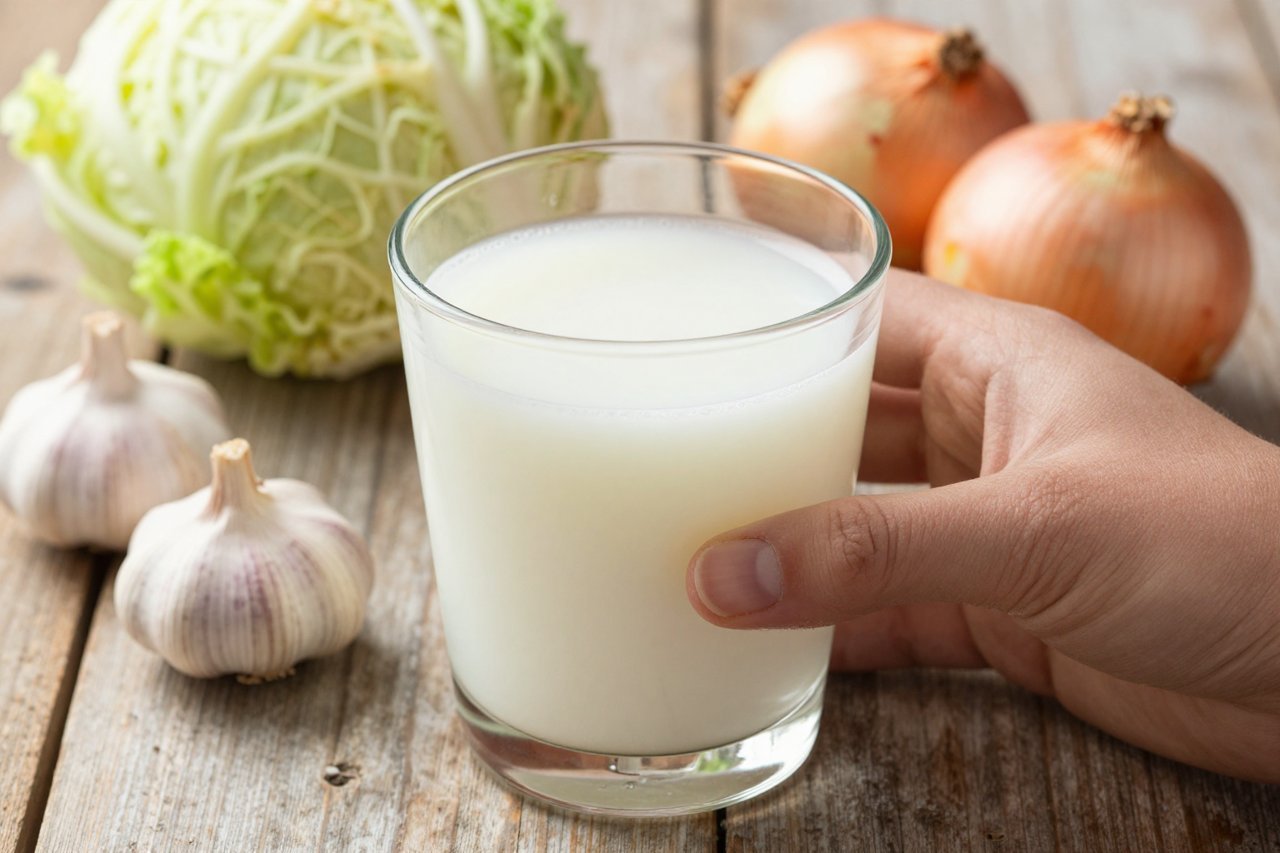
You also need prebiotics, which are the fuel probiotics feed on. Onions, garlic, leeks, oats, bananas, and dandelion greens are rich in inulin and other fibers that help beneficial bacteria thrive. Think of prebiotics as the fertilizer for your probiotic garden. If you eat a low-fiber diet, even the best probiotic won’t flourish.
The Gut-Body Connection Beyond Digestion
Your gut doesn’t operate in a vacuum. The bacteria in your intestines produce compounds that enter your bloodstream and travel to other organs, affecting your mood, metabolism, and even your heart. For instance, researchers have found a hidden trigger for heart disease in the gut of people with sleep apnea, a reminder that these microbes shape health far beyond your bowels.
The gut-brain axis is another fascinating area. Certain strains, particularly Lactobacillus and Bifidobacterium, have been shown in preliminary studies to reduce symptoms of anxiety and depression. The mechanisms aren’t fully clear, but it’s likely that beneficial bacteria influence the production of neurotransmitters like serotonin and gamma-aminobutyric acid (GABA).
Safety and Side Effects
For most healthy people, probiotics are safe. The most common side effects are temporary gas and bloating as your gut adjusts to the new bacteria. These typically subside within a few days, especially if you start with a lower dose and gradually increase.
But probiotics aren’t for everyone. People with weakened immune systems—such as those undergoing chemotherapy, transplant recipients, or people with severe pancreatitis—should avoid them due to a rare risk of infection. Always check with your doctor first if you have a chronic health condition or take immune-suppressing medication.
Small Habits That Make a Difference
You don’t need to overhaul your life to support your gut microbiome. These small, consistent habits add up:
- Eat a spoonful of kefir daily. Kefir contains more strains and often higher counts than yogurt.
- Add garlic and onions to your cooking. They’re loaded with prebiotic fiber.
- Take probiotics after a meal, not on an empty stomach. The food protects them from stomach acid.
- Stay consistent. Probiotics only work while you’re taking them, so find a routine you can stick with.
- Cut back on artificial sweeteners. Some, like saccharin, can reduce beneficial bacteria in the gut.
The most effective routine is the one you’ll actually follow. Choose a high-quality supplement with specific strains, mix in fermented foods, and give your microbiome the fiber it craves. Your gut has a remarkable ability to recover when you treat it well—sometimes all it needs is a helping hand.
