 1-800-656-4211




Blog
The Real Advantages of Goji Berries and How to Use Them Daily

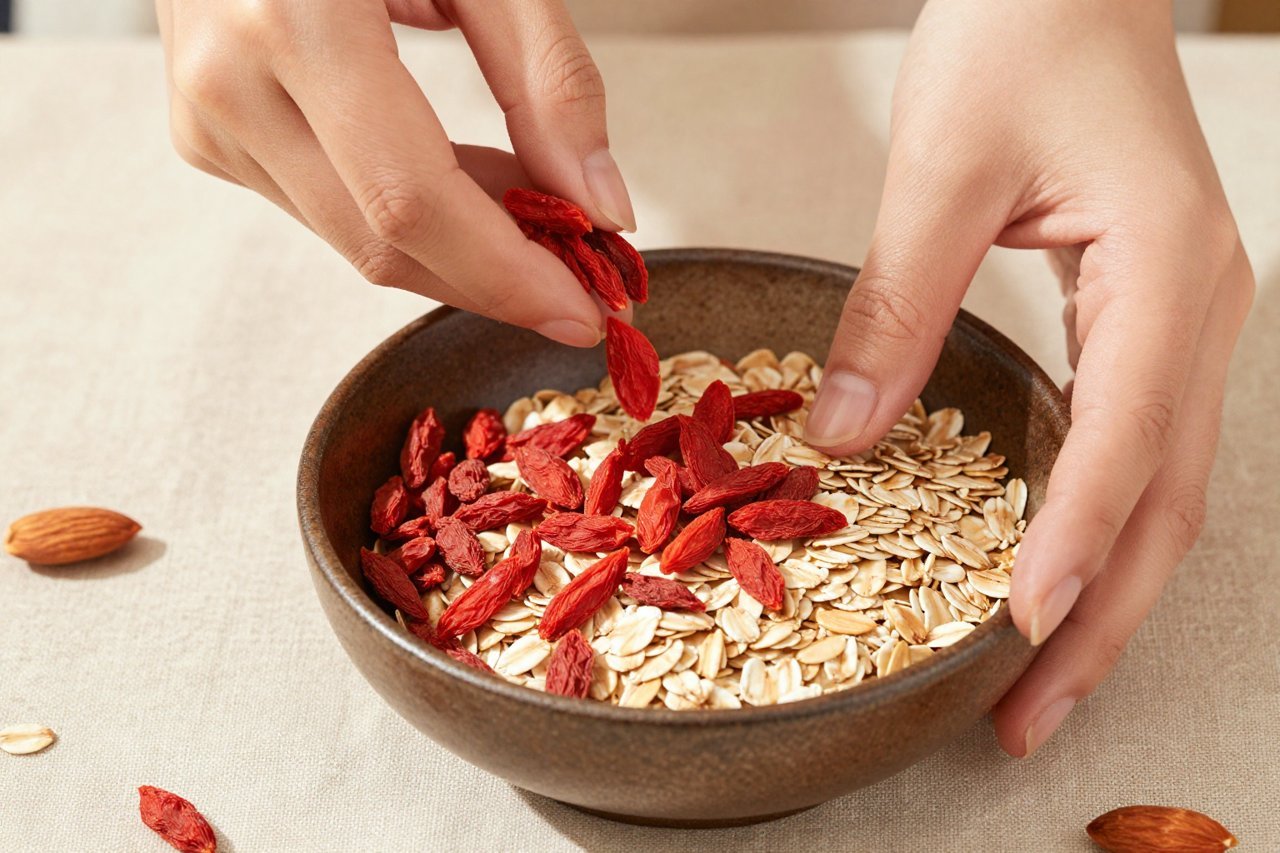
Goji berries have been a staple in Asian kitchens and apothecaries for centuries. The tiny coral-red fruits are usually eaten dried, and they taste like a cross between cranberries and dates. They have moved from obscure tonic to common supermarket item, which is why it helps to separate the actual advantages of goji berries from the usual superfood clutter.
This article is not promising miracle cures. It simply explains what the fruit can reasonably do for you, based on its nutrients and human studies. If you know how to use them, goji berries are one of the more impressive pantry additions you can make.
Goji berries are more than sugar-coated antioxidants
Most dried fruits are just fresh fruits missing their water. Goji berries are different in a few measurable ways. A 30-gram handful provides about 110 calories, 4 grams of protein and 3 grams of fibre. That protein content is still small, but it is high enough to make goji a more balanced snack than raisins or banana chips.
The deep orange-red colour is not cosmetic. It comes from carotenoids such as beta-carotene, lycopene, lutein and zeaxanthin. The berries also contain polysaccharides that are being researched for their effects on immune cells and the balance of bacteria in your gut.
1. Their antioxidants work across multiple systems
Goji berries have a broader antioxidant profile than most fruits. Some of that happens inside water-based cell fluid and some occurs inside fatty membranes. That distinction matters because different cells need different types of defence. Flavonoids in the fruit may even help your own antioxidant enzymes recycle themselves.
Why pairing goji with fat changes how many nutrients you absorb
Beta-carotene and zeaxanthin are lipophilic. Eat goji berries alone after a low-fat meal and your body will only convert a fraction. Add a spoonful of nut butter, full-fat yoghurt or oats made with whole milk and you extract more. This is, for once, a case where food combinations matter as much as the ingredient itself.
2. They support eyesight with zeaxanthin you can measure
Your macula, the part of the retina responsible for sharp central vision, naturally accumulates zeaxanthin and lutein. Goji berries are one of the richest dried fruit sources of zeaxanthin. In small human trials, regular consumption of dried goji berries has increased macular pigment optical density after about 90 days. Low macular pigment is one of the markers that appear before age-related macular degeneration.
Eating a serving of goji does not fix existing vision issues, and you still need to wear sunglasses and see an optometrist. But it offers a genuine dietary buffer against a condition that affects millions. If that is the single reason you start buying them, it is a solid one.
3. They make a sweet snack that does not spike blood glucose
Foods with high fibre and polyphenols tend to release glucose more slowly. Goji berries contain both. The sweet flavour comes with a natural brake. Some clinical data on Lycium barbarum polysaccharides suggest they improve uptake of glucose into cells and reduce the peak after a carbohydrate-heavy meal. More research is needed, but there is no suggestion they are harmful for blood-sugar control when eaten as part of a balanced diet.
Dried berries can still be easy to overeat because of concentrated sugar. Treat them like nuts: portion them into small containers. A whole bag in front of a movie is not the same as a 30-gram serving.
4. The skin may look subtly better after a few weeks
Carotenoids from food appear in human skin within a few weeks of consistent intake. They add a warm, healthy tone, and they also absorb ultraviolet light. That does not replace sunscreen. Together with SPF, dietary carotenoids can reduce some of the oxidative stress sunlight triggers. Some trials on a mix of carotenoids show lower skin roughness and more elasticity.
Goji’s beta-carotene, lycopene and vitamin C are exactly the trio examined in skin supplementation studies. Since vitamins A and C are both required for collagen maintenance, goji deserves a place in your skincare routine.
5. They can nudge your sleep and mood without caffeine
Lycium berries have a long history as a nighttime tonic. Contemporary trials usually use a concentrated juice: people who drank about 120 ml of goji juice for two weeks reported better sleep quality and waking easier than the placebo group. The exact active compounds remain unknown, but the pattern is consistent enough to be worth trying if you struggle with sleep.
Unlike coffee or dark chocolate, goji berries will not keep you wired. A tablespoon soaked in warm water and sipped an hour before bed can become a gentle ritual that tells your body it is time to slow down.
A handy snapshot of a 30-gram serve
- Around 110 calories and 4 g of protein, more than twice as much protein as raisins.
- 3 g of fibre, about 10 percent of the daily target for most adults.
- High carotenoid content, including zeaxanthin and beta-carotene.
- Plant iron and zinc, useful for anyone who does not eat much red meat.
- No added sugar if you choose plain dried berries. Many commercial mixes coat them in sugar.
How to get the most from dried goji berries
The practical routine is simple. Add a heaped tablespoon of dry goji berries to a bowl of porridge together with walnuts and ground flaxseed. Or drop a tablespoon into a glass jar with hot green tea and let it steep. For savoury dishes, throw a small handful into a chicken or mushroom broth during the last 5 minutes of simmering; they soften without turning mushy.
Avoid fruit-and-goji smoothie bowls that also contain banana, mango, honey and a pile of granola. Too much extra added sugar can erase any benefit. The effect of goji is modest, so it matters what surrounds it. If you want a simple snack, take 15 to 20 berries and a few almonds rather than a whole cup.
Buy plain ones. Some dried goji berries have sulfur dioxide added to keep them brightly orange. Unsulphured berries are matte, slightly sticky and taste less sharp. Keep them in a sealed glass jar away from direct light and use them within six months. Carotenoids degrade slowly, but their job is not finished until they are on your plate.
