 1-800-656-4211




Blog
The Health Benefits of Cabbage: A Cheap Superfood Worth Eating More Often

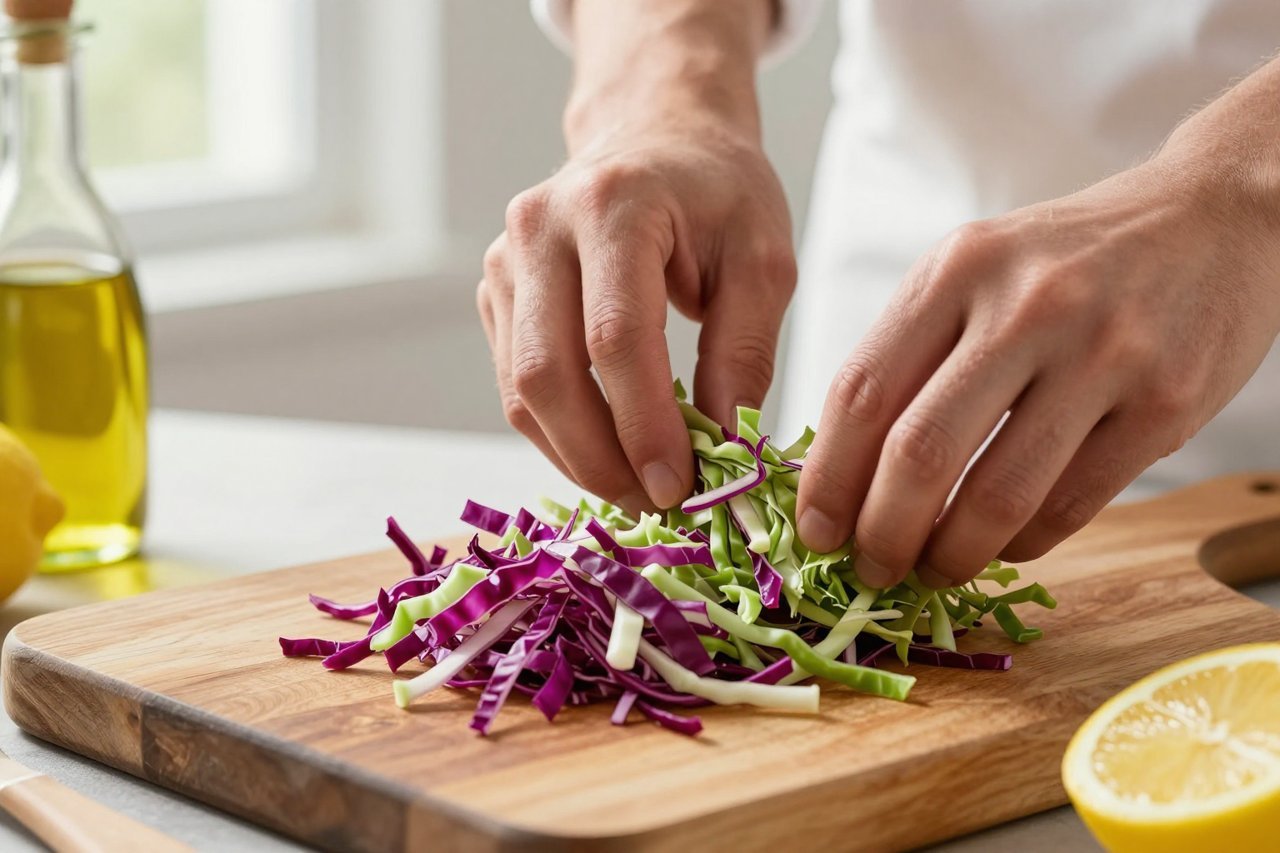
Cabbage doesn’t win beauty contests. It sits in the produce aisle like a bargain bin afterthought. But slice it, cook it, ferment it, and you get a vegetable that punches far above its price tag. For a few dollars you get vitamin C, vitamin K, fiber, and a handful of plant compounds linked to lower inflammation and better digestion. Here’s what the research says about the health benefits of cabbage and how to actually use it.
A Nutritional Snapshot: What You Get in Every Leaf
One cup of raw green cabbage (89 grams) has about 22 calories, 2 grams of fiber, and 36% of your daily vitamin C. Red cabbage delivers more: roughly 28 calories and 56% of daily vitamin C, plus anthocyanins that give it that deep purple color. You also get vitamin K, vitamin B6, folate, potassium, and small amounts of calcium and magnesium.
The numbers matter because cabbage is filling without being heavy. A whole head weighs around 2 pounds and costs less than a coffee. That combination of low cost and high nutrient density is rare. If you want a deeper dive into specific compounds, this breakdown of cabbage benefits for your body covers the micronutrient details.
Why Cabbage Is a Gut’s Best Friend
Fiber gets most of the credit, but cabbage has a trick. It contains glutamine, an amino acid that fuels cells lining the small intestine. That doesn’t mean cabbage cures leaky gut or anything dramatic. It means regular servings support the environment where good bacteria live.
Fermented Cabbage Does Even More
Sauerkraut and kimchi take cabbage and turn it into a probiotic food. During fermentation, lactic acid bacteria multiply. A 2019 study in the journal Nutrients found that kimchi consumption improved gut microbiome diversity in overweight adults. The fiber and vitamin C remain, but now you’re also feeding your gut live cultures.
If you buy sauerkraut, check the label. Shelf-stable jars are usually pasteurized, which kills the bacteria. Refrigerated, unpasteurized versions in the chilled section are the ones with active cultures. Or make your own with shredded cabbage, salt, and a clean jar. It takes 15 minutes of work and a week of waiting.
Cabbage and Heart Health: More Than Just Fiber
Soluble fiber in cabbage binds to bile acids in your digestive tract. Your liver then pulls cholesterol from your blood to make new bile acids. The result is a modest drop in LDL cholesterol over time. A 2016 review in the Journal of Chiropractic Medicine looked at cabbage and found it can help lower total cholesterol and LDL when eaten regularly.
Red cabbage adds another layer. Its anthocyanins are antioxidants that protect blood vessels from oxidative damage. Potassium in cabbage helps counterbalance sodium, which matters for blood pressure. None of this is a magic bullet. But swapping fries for a cabbage slaw is a net win for your heart.
Can Cabbage Help with Inflammation and Cancer Risk?
Cabbage belongs to the cruciferous family, along with broccoli, kale, and Brussels sprouts. These vegetables contain glucosinolates. When you chop or chew cabbage, an enzyme called myrosinase converts glucosinolates into compounds like sulforaphane and indole-3-carbinol. Lab studies show these compounds can slow cancer cell growth and reduce inflammation.
Human studies are more mixed. A 2015 meta-analysis in the journal Oncotarget found that higher cruciferous vegetable intake was linked to lower risk of colorectal cancer. Cabbage specifically showed a protective association in some studies. That doesn’t mean eating cabbage prevents cancer. It means a diet rich in these vegetables is a smart bet for lowering risk.
Cooking destroys some myrosinase, but you can hack it. Chop cabbage and let it sit for 10 minutes before cooking. That gives the enzyme time to work. Or add a pinch of raw mustard powder after cooking, which provides a fresh source of myrosinase.
Weight Management and Blood Sugar
Cabbage is 92% water. That makes it incredibly low in calories while still taking up space on your plate. A cup of cooked cabbage has about 35 calories. You can eat a huge bowl and barely make a dent in your daily budget. That’s why cabbage soup diets became famous, though those extreme approaches usually backfire.
The fiber also slows digestion, which helps keep blood sugar steadier. A 2018 study in Food Science & Nutrition found that cabbage extract reduced blood sugar spikes in diabetic rats. Human evidence is thinner, but the fiber alone is enough to make cabbage a good choice for people watching their glucose.
One practical tip: start meals with a cabbage-based salad or soup. You’ll fill up on fiber and water before the higher-calorie courses arrive. It’s an easy way to cut total intake without feeling deprived. For a complete look at how cabbage supports your body, this guide to cabbage’s full health profile breaks it down.
Cabbage for Skin, Eyes, and Immunity
Vitamin C does more than fight colds. It’s a building block for collagen, the protein that keeps skin firm and helps wounds heal. One cup of raw cabbage gives you more vitamin C than an orange. That’s especially useful if you smoke or spend a lot of time in the sun, both of which deplete vitamin C.
Red cabbage contains beta-carotene and lutein. These carotenoids accumulate in your retinas and may help protect against age-related macular degeneration. Vitamin C and vitamin A also support immune function. You won’t become invincible, but you’ll give your body the raw materials it needs for repair.
How to Get the Most Out of Cabbage (Without Hating It)
Boiled cabbage has a reputation problem, and it’s deserved. Overcooked cabbage turns mushy, gray, and sulfurous. The fix is simple: cook it hot and fast, or keep it raw.
- Raw: Shred green or red cabbage into thin ribbons. Toss with lemon juice, olive oil, and salt. Let it sit for 10 minutes. The salt wilts the leaves just enough to make them tender.
- Sauté: Cut cabbage into wedges and sear in a hot pan with a little oil. Get a char on the edges. It takes 5 minutes and tastes nutty.
- Roast: Spread wedges on a sheet pan. Drizzle with oil, salt, and pepper. Roast at 425°F for 20 minutes. The outer leaves crisp like chips.
- Ferment: Make sauerkraut or kimchi. Use a 2% salt solution by weight. Keep the cabbage submerged under the brine. Taste after 5 days.
- Soup: Add shredded cabbage in the last 10 minutes of cooking. It keeps some bite.
For a closer look at how cabbage stacks up against pricier superfoods, see what this cheap vegetable really does for your body. You might be surprised how much nutrition you get for pocket change.
A Few Cautions and Smart Pairings
Cabbage is safe for most people, but a few things to know. It contains goitrogens, compounds that can interfere with thyroid function if you eat massive amounts raw, especially with an iodine deficiency. Cooking reduces goitrogens. If you have hypothyroidism, talk to your doctor about raw cabbage.
The fiber can cause gas and bloating. Introduce it slowly. Start with half a cup of cooked cabbage, not a giant raw slaw. Your gut bacteria will adjust in a week or two.
Vitamin K in cabbage can interact with blood thinners like warfarin. Keep your intake steady rather than binge one day and skip the next. That helps your doctor manage your dose.
Pair cabbage with fat to absorb fat-soluble vitamins A and K. A drizzle of olive oil, a sprinkle of sesame seeds, or a side of avocado all work.
Make Cabbage a Regular, Not a Punishment
The best thing about cabbage is its flexibility. You can eat it raw in tacos, roasted with sausage, fermented on a burger, or simmered in a coconut curry. It shows up in Korean, Irish, German, Indian, and Mexican cooking. That variety means you never get bored.
Aim for a few servings a week. One cup cooked or two cups raw is a solid target. Buy a head, shred it, and keep it in a container in the fridge. It lasts for weeks. Add a handful to whatever you’re already cooking. That’s how you turn a cheap vegetable into a daily habit.
