 1-800-656-4211




Blog
Probiotics for Occasional Constipation: The Side Effects to Expect (and How to Avoid Them)

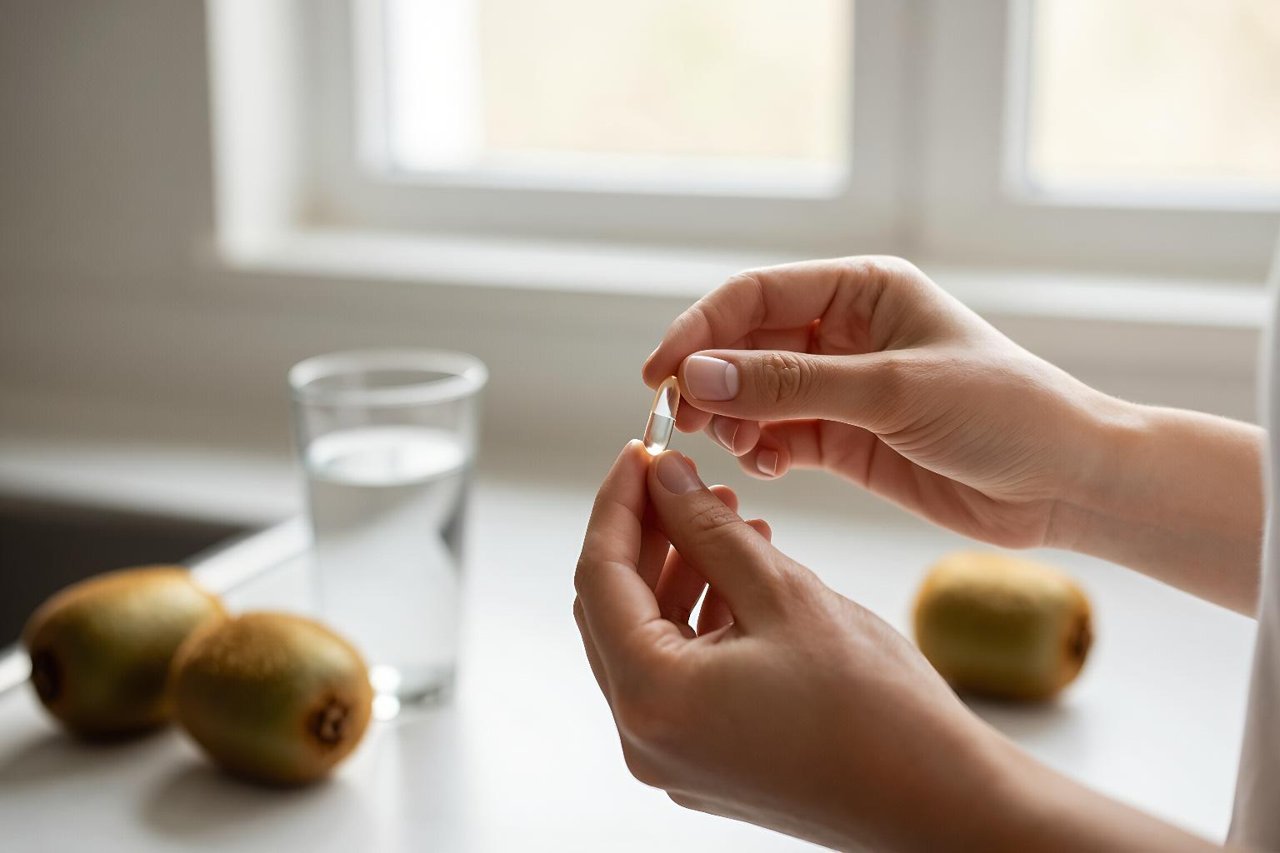
Three days without a decent bowel movement is enough to make anyone desperate. So you stand in the pharmacy aisle holding a bottle of probiotics, then flip it over and read the small print: gas, bloating, abdominal discomfort. A supplement that was supposed to unblock things suddenly looks like it might make the next 48 hours worse.
That worry is reasonable. Probiotics do cause side effects, and the gut is not a subtle organ when it’s unhappy. Most reactions, though, are mild, short-lived, and entirely predictable once you understand what’s triggering them.
What a probiotic is actually doing down there
Swallow a capsule and you’re sending somewhere between 1 and 50 billion live bacteria into a system that already hosts around 38 trillion. Most strains survive stomach acid to some degree, travel into the colon, and hang around for days or weeks without taking up permanent residence. While they’re in there, they produce lactic and acetic acid, compete with your existing residents for space and food, and change the way your gut ferments fibre.
That disruption is the whole point. It’s also where the discomfort comes from.
The side effects you’re most likely to notice
Gas and bloating
This is the big one, and the complaint that shows up most often in trials. You might feel bubbling within 30 to 90 minutes of a dose, or a stretched, heavy feeling by early evening. Bacteria fermenting fibre release hydrogen, carbon dioxide, and sometimes methane. It’s ordinary physiology rather than a sign of damage, and it tends to fade somewhere between day 5 and day 14 as your gut adjusts to the new arrivals.
Abdominal cramping
Usually mild, often described as twinges or a low, rolling ache an hour after taking the capsule. Severe, doubling-over pain is not a normal adjustment reaction and is worth getting checked.
Looser stools or a sudden urgent need
Slightly ironic when you started this for constipation, but some strains speed transit up. If you go from blocked to sprinting to the bathroom within 48 hours, your dose is almost certainly too high.
Headaches and skin flare-ups
Less common, but real for a small group of people. Certain strains, including some Lactobacillus casei and Lactobacillus reuteri, produce histamine. If you already react badly to aged cheese, red wine, or fermented foods, you may be histamine-sensitive and notice headaches, flushing, or itchy skin within a few days.
Why the first week is usually the worst
Picture a share house with an established routine. A new flatmate moves in, rearranges the kitchen, and everyone spends a week bumping into each other. Your microbiome works the same way. The newcomers shift pH, gobble up nutrients, and change fermentation patterns, and your gut nerves notice every bit of it. Give it seven to ten days and the noise usually settles.
There’s a second culprit that gets blamed on the bacteria: the stuff mixed in with them. Powders and capsules are full of carriers, fibres, and sweeteners that can cause plenty of gas on their own.
Read the label for ingredients that cause trouble
- Inulin and FOS (fructo-oligosaccharides): prebiotic fibres added to feed the bacteria. They ferment fast and aggressively, and they’re a common source of bloating in people with sensitive guts.
- Lactose or milk powder: the tiny amounts in a capsule are unlikely to matter unless you’re strongly lactose intolerant. Flavoured probiotic drinks are a different story, often carrying 10g or more of sugar per bottle.
- Sugar alcohols: sorbitol, mannitol, and xylitol pull water into the bowel and can loosen stools. Rare in capsules, common in gummies and chewables.
- Very high CFU counts: 50 billion or 100 billion isn’t automatically better than 5 billion. More organisms means more fermentation, more gas, and a rougher first week.
- Multiple strains at once: a ten-strain blend gives you ten chances of reacting to something. Single-strain products are easier to troubleshoot.
The rare risks worth knowing about
Serious harm from probiotics is uncommon, but it isn’t zero. Documented cases of bloodstream infections exist, almost entirely in people with badly compromised immunity, central venous catheters, short bowel syndrome, critical illness, or recent gastrointestinal surgery. If any of those apply to you, talk to your doctor before buying anything off the shelf.
There’s also a quality problem. Independent testing has repeatedly found products that don’t contain the strains or the CFU counts printed on the box, so a cheap bottle can deliver both an unpredictable dose and an unpredictable reaction. Buying from a brand that publishes third-party testing is worth the extra few pounds.
How to start without the drama
Most probiotic misery comes from going in too hard, too fast. Try this instead:
- Begin at 1 to 5 billion CFU, not 50 billion, and work up only if you tolerate it.
- Take it with a meal. Food buffers stomach acid and reduces nausea.
- Change one thing at a time. Don’t start a probiotic and double your fibre intake on the same day, or you won’t know what caused the gas.
- Give it three to four weeks before judging it, then decide whether to continue.
- Drink 1.5 to 2 litres of water daily. Probiotic fibre without fluid is a recipe for a harder stool, not a softer one.
- Cycle off if you’re unsure. Symptoms that vanish when you stop and return when you restart tell you plenty.
Which strains have the best track record for constipation
The evidence isn’t dramatic. Expect an improvement of roughly one extra bowel movement per week rather than a miracle. Strains that show up repeatedly in the research include Bifidobacterium lactis HN019 and BB-12, Lactobacillus plantarum, Bacillus coagulans, and Lactobacillus casei Shirota in fermented milk drinks. Bifidobacterium strains are generally the better bet for slow transit, while some fast-moving Lactobacillus strains can push things along too quickly.
When side effects mean stop, not adjust
Mild gas for a week is an adjustment. These are not:
- Blood in your stool or black, tarry stools
- Fever, chills, or feeling generally unwell
- Severe or worsening abdominal pain
- Vomiting that stops you keeping fluids down
- Unexplained weight loss
- Constipation that’s lasted more than three months, or any new bowel change after age 50
Those point to something a supplement isn’t going to fix, and they deserve a GP appointment rather than another four weeks of experimenting.
The things that do more than a capsule
Probiotics work best as one part of a routine, not as a lone fix. Two kiwifruit a day have outperformed psyllium in head-to-head trials for constipation, which is a strange but genuinely useful finding. Getting 25 to 30g of fibre daily, walking for 20 minutes after dinner, and giving yourself ten unhurried minutes on the toilet after breakfast all influence transit more than most people expect. Your colon responds to routine, and the gastrocolic reflex is strongest after the first meal of the day.
If you’re going to try probiotics for occasional constipation, treat the first fortnight as an experiment with known variables: a low dose, a single strain, a decent brand, plenty of water, and a clear line for when to stop. That’s a far better plan than white-knuckling your way through three weeks of bloating and assuming your gut is broken.
