 1-800-656-4211




Blog
Lion’s Mane Mushroom: A No-Nonsense Guide to Benefits, Dosage, and Real Results

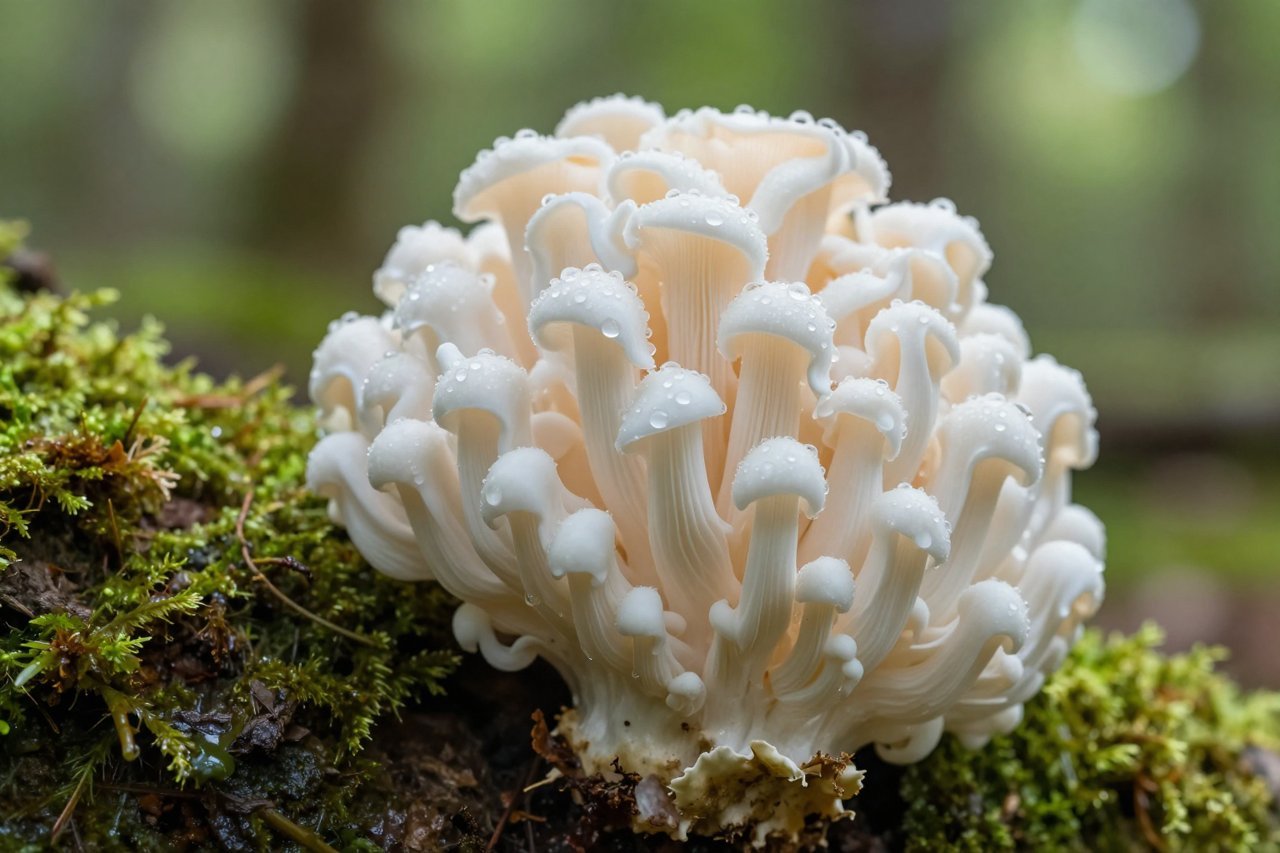
If you’ve ever wandered through a forest in late summer, you might have spotted something that looks more like a frozen waterfall than a mushroom. That’s lion’s mane, a shaggy white fungus that has been used in traditional Chinese medicine for centuries. Lately, it’s been getting a lot of attention for its potential to boost brain health, mood, and even nerve regeneration. But does it live up to the hype? Here’s what we know.
What Is Lion’s Mane Mushroom?
Lion’s mane mushroom (Hericium erinaceus) goes by several names: bearded tooth, pom-pom mushroom, and yamabushitake in Japan. Unlike the typical cap-and-stem mushrooms, it grows as a cluster of long, dangling spines that resemble a lion’s mane. You’ll find it growing on hardwood trees, particularly oak and beech, across North America, Europe, and Asia.
It’s edible and has a texture often compared to crab or lobster, which is why it’s sometimes used as a seafood substitute in cooking. But the real interest lies in its bioactive compounds. Two groups of molecules—hericenones and erinacines—are thought to stimulate the production of nerve growth factor (NGF), a protein that plays a key role in the growth and survival of neurons.
The Science Behind Lion’s Mane and Brain Health
NGF is crucial for maintaining the health of your brain. It helps neurons grow, repair, and make new connections. As we age, NGF levels can drop, which is linked to cognitive decline. In animal studies, lion’s mane extract has been shown to increase NGF levels in the brain and improve memory in mice with Alzheimer’s-like symptoms.
Human research is still in its early days, but a few studies are promising. In a 2019 double-blind, placebo-controlled trial, Japanese researchers gave 50- to 80-year-olds with mild cognitive impairment either lion’s mane extract or a placebo for 16 weeks. The lion’s mane group showed significant improvements in cognitive scores compared to the placebo group. However, when they stopped taking it, the benefits faded within a few weeks. That suggests you’d need to take it consistently to maintain any effects.
It’s not a miracle cure. The studies are small, and we don’t yet know the optimal dose or long-term effects. But the early evidence is intriguing enough to warrant further investigation.
Beyond the Brain: Mood, Gut, and Immunity
Mood and Mental Well-being
Lion’s mane may also have an impact on mood. A small 2010 study of women going through menopause found that those who took lion’s mane cookies (yes, cookies) for four weeks reported reduced depression and anxiety. More recently, a 2023 study in healthy adults found that 1,800 mg of lion’s mane extract daily for 28 days led to lower levels of stress and improved sleep quality. The exact mechanism isn’t clear, but it could be related to NGF and its role in the brain’s emotional centers.
Digestive Health
Your gut might benefit too. Lion’s mane has been used traditionally to treat gastric ulcers and gastritis. Research suggests it can protect the stomach lining and promote the growth of beneficial gut bacteria, acting as a prebiotic. A healthy gut microbiome is linked to better digestion, immunity, and even mood.
Immune Support
Like many medicinal mushrooms, lion’s mane contains beta-glucans, which are polysaccharides that can modulate the immune system. They don’t necessarily ‘boost’ immunity but rather help regulate it, potentially reducing inflammation and improving your body’s ability to fight off infections.
How to Take Lion’s Mane Mushroom
You can consume lion’s mane in several ways, each with its own perks.
- Fresh or dried: Cook it like you would seafood—sauté, grill, or add to soups. The texture holds up well. However, cooking may reduce some of the more delicate compounds, so if you’re after medicinal effects, supplements are more reliable.
- Powder: Dried and ground fruiting body. You can mix it into coffee, smoothies, or oatmeal. Typical dose is 1–3 grams per day.
- Capsules: Convenient and pre-measured. Look for extracts that are standardized to at least 25% beta-glucans. Doses usually range from 500–1,000 mg per day.
- Liquid extracts: Tinctures are easy to absorb, but alcohol-based ones may not capture all the beneficial compounds. A dual-extract (water and alcohol) is best for a full spectrum.
Choosing a Quality Lion’s Mane Product
Not all lion’s mane supplements are created equal. The market is full of products made from mycelium grown on grain, which ends up being mostly starch with little of the active compounds. Here’s what to look for:
- Fruiting body: The mushroom itself, not the root-like mycelium. This is where hericenones are found.
- Organic: Avoid pesticides and heavy metals.
- Third-party tested: Certificates of analysis ensure purity and potency.
- Dual extract: Water and alcohol extraction captures both water-soluble and alcohol-soluble compounds.
- Beta-glucan content: A good extract will list the percentage, ideally 25% or higher.
Safety and Side Effects
Lion’s mane is generally considered safe. In studies, side effects were rare and mild, such as digestive discomfort or skin rash. However, there are a few cautions.
- Allergies: If you’re allergic to other mushrooms, you might react to lion’s mane.
- Blood thinners: Lion’s mane may have mild antiplatelet effects, so if you’re on anticoagulants, talk to your doctor.
- Pregnancy and breastfeeding: Not enough research to confirm safety, so it’s best to avoid.
- Diabetes: It may lower blood sugar, so monitor if you’re on medication.
What to Expect When You Start Taking Lion’s Mane
Don’t expect a sudden lightning bolt of clarity. Most people report subtle changes over weeks, not days. Improved focus, a calmer mood, or better sleep are common. Some notice nothing at all. It’s also not a replacement for a healthy diet, exercise, and sleep—those are still the foundation of brain health.
If you’re curious, start with a low dose and see how you feel. Give it at least a month. And as always, check with your healthcare provider if you’re on any medications or have underlying conditions. Lion’s mane isn’t a magic bullet, but it’s a fascinating fungus with real potential. At the very least, it’s a delicious addition to your next stir-fry.
