 1-800-656-4211




Blog
Best Protein Powder for Women: Side Effects Nobody Warns You About

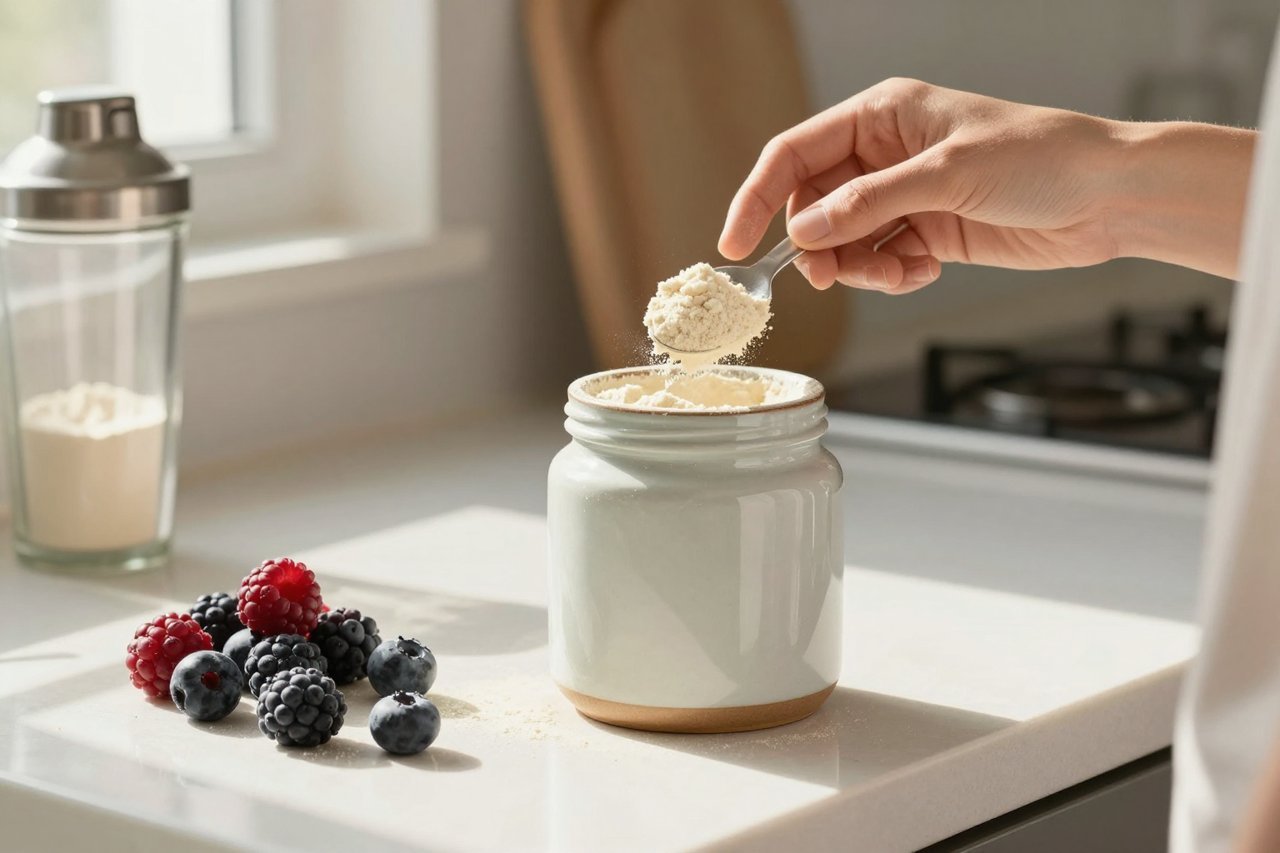
A scoop of vanilla protein powder can feel like a shortcut: breakfast in 30 seconds, a post-workout fix, maybe even clearer skin and stronger hair if the label is to be believed. Then the bloating starts, or a cluster of breakouts appears, and you wonder whether the powder is helping or quietly working against you.
The best protein powder for women: side effects aren’t one-size-fits-all. A whey isolate that suits your friend’s marathon training can leave you gassy. A plant blend marketed as “clean” can deliver 12 grams of fiber in one hit and send your gut into revolt. The side effects you’re likely to notice depend on the protein source, the additives, your dose and your own body.
Bloating, Gas and Cramping: The Most Common Complaint
Digestive trouble is the side effect women mention most often, and it usually has a boring explanation. Whey concentrate contains lactose, the milk sugar that many adults stop digesting well after childhood. If you’re sensitive, a 25-gram scoop can produce gas, rumbling and loose stools within an hour.
Plant powders have a different trap. Pea protein, brown rice protein and added inulin or chicory root are fermentable fibers. They feed gut bacteria. That can be good long term, but jumping from 15 grams of fiber a day to 35 grams because you added two shakes can cause serious bloating. Sugar alcohols such as maltitol and sorbitol, often used in “low-carb” powders, pull water into the bowel and can trigger cramps and diarrhea at 10 to 20 grams.
Practical fixes:
- Choose whey isolate if lactose is the issue; it has far less lactose than concentrate.
- Start with half a scoop for the first week, not a heaped double serving.
- Avoid powders listing inulin, chicory root or maltitol near the top of the ingredients.
- Mix with water rather than milk if you’re testing tolerance.
When It’s More Than Bloating
True dairy allergy is different from lactose intolerance. Hives, swelling, wheezing or vomiting after a whey shake are stop-signs, not “adjust your dose” signs. Plant powders are not automatically safer either. Some contain soy, which is a common allergen, or gluten from added flavorings. If a powder makes your throat itchy, bin it and get medical advice.
Acne, Breakouts and Hair Changes
Whey and dairy can influence insulin and IGF-1, hormones that play a role in sebum production. The research isn’t strong enough to say whey causes acne in every woman, but plenty of dermatologists hear the same story: skin was fine, started a daily whey shake, and three weeks later came the jawline cysts. If you notice that pattern, switch to a plant or isolate powder for six weeks and see what happens.
Biotin is another culprit hiding in “hair and nails” formulas. A 5,000 to 10,000 microgram biotin dose is far more than most people need, and it can cause breakouts in some women. It also skews thyroid and troponin blood tests, which is a real problem if you’re having labs done.
Hair is where marketing gets ahead of evidence. Protein matters for hair growth if you’re genuinely under-eating protein, but extra powder above your needs won’t turn fine hair into a thick mane. Some blends add saw palmetto for hormone-related hair thinning. Before you assume that’s a free bonus, read what saw palmetto can and can’t do for hair, hormones and PCOS. Herbal add-ons have their own side effects and interactions.
Kidney, Liver and Bone Worries
Healthy kidneys handle protein fine. The old warning about high-protein diets “straining” the kidneys mostly applies to people who already have chronic kidney disease. If your eGFR is normal and your doctor hasn’t restricted protein, a 20 to 30 gram scoop is unlikely to harm your kidneys. If you have CKD, a single kidney, or you’re on dialysis, get individual advice before adding supplements.
A reasonable target for active women is roughly 1.2 to 1.6 grams of protein per kilogram of body weight per day. For a 68 kg woman, that’s about 82 to 109 grams. Food should do most of the work; a powder is there to close a gap, not replace meals.
Liver trouble from protein powder is rare and usually linked to contaminated or adulterated products rather than protein itself. Bone health is not harmed by protein, either. Adequate protein supports muscle and bone, provided you’re also getting calcium and vitamin D and doing some resistance training.
Hormones, PCOS and “Feminine” Blends
Soy protein still gets a bad reputation. The fear is that soy isoflavones will “mess with estrogen.” Human studies at normal food amounts haven’t shown that soy wrecks hormones in women. For most women with PCOS, a soy or pea protein shake can be a useful way to add protein without a lot of saturated fat.
The bigger issue is the extras. Powders aimed at women often include maca, vitex, ashwagandha, saw palmetto, kelp or “hormone balance” blends. These are not inert flavor dust. Vitex can interact with hormonal medications. Kelp can deliver a hefty iodine dose and trigger thyroid problems in susceptible people. Saw palmetto may affect androgen pathways, which is why women with PCOS sometimes ask about it. The details matter, especially if you’re on spironolactone, metformin or hormonal birth control. This overview of saw palmetto extract for women’s hair, skin and hormones is a useful reality check before you buy a powder with it added.
PCOS and Protein Powder
Protein powder won’t cure PCOS, but it can make the “protein at every meal” advice easier to follow. The catch is the add-ons. If a product promises hormone balance, look past the front label and check the actual herb doses. A blend with 50 mg of saw palmetto is not the same as a studied extract. This guide to saw palmetto for women with PCOS explains where the evidence is strong and where it thins out.
Heavy Metals, Sweeteners and Label Traps
Plant proteins can carry heavy metals such as lead and cadmium because plants take them up from soil. Rice and cocoa-based powders tend to test higher. That doesn’t mean every plant powder is dangerous, but it’s why third-party testing matters. Look for seals from NSF Certified for Sport, Informed Sport or Clean Label Project. These programs test for contaminants and, in some cases, banned substances.
Sweeteners are another personal trigger. Sucralose and stevia don’t bother most people, but sugar alcohols can cause the GI issues already covered. “Protein spiking” is a sneaky one: some manufacturers add glycine, taurine or creatine to inflate the protein number on the label without providing a complete amino acid profile. You want a powder that lists a full protein source, not a pile of isolated aminos.
A quick label checklist:
- 20 to 30 grams of protein per scoop
- 5 grams or less of added sugar
- No maltitol, sorbitol or chicory root if your gut is sensitive
- A third-party testing seal
- No vague “proprietary blend” hiding stimulants or herbs
How to Try a New Powder Without a Rough Week
Start with one scoop every other day for the first week. Use water, not a smoothie with 10 grams of added fiber. Keep the rest of your diet steady so you can tell whether the powder is the problem. If you get bloating, cut the dose in half or switch to an isolate. If you get acne, give it four to six weeks after stopping before you judge your skin.
Track three things: digestion, skin and energy. Most genuine side effects show up within days to a few weeks. A powder that makes you feel awful isn’t a “detox”; it’s a mismatch. The best protein powder for women is the one you can use consistently without dreading the aftermath. Buy a small tub first, check the testing seal, and let your own body cast the deciding vote.
