 1-800-656-4211




Blog
Saw Palmetto Extract for Women: What It Really Does for Hair, Skin and Hormones

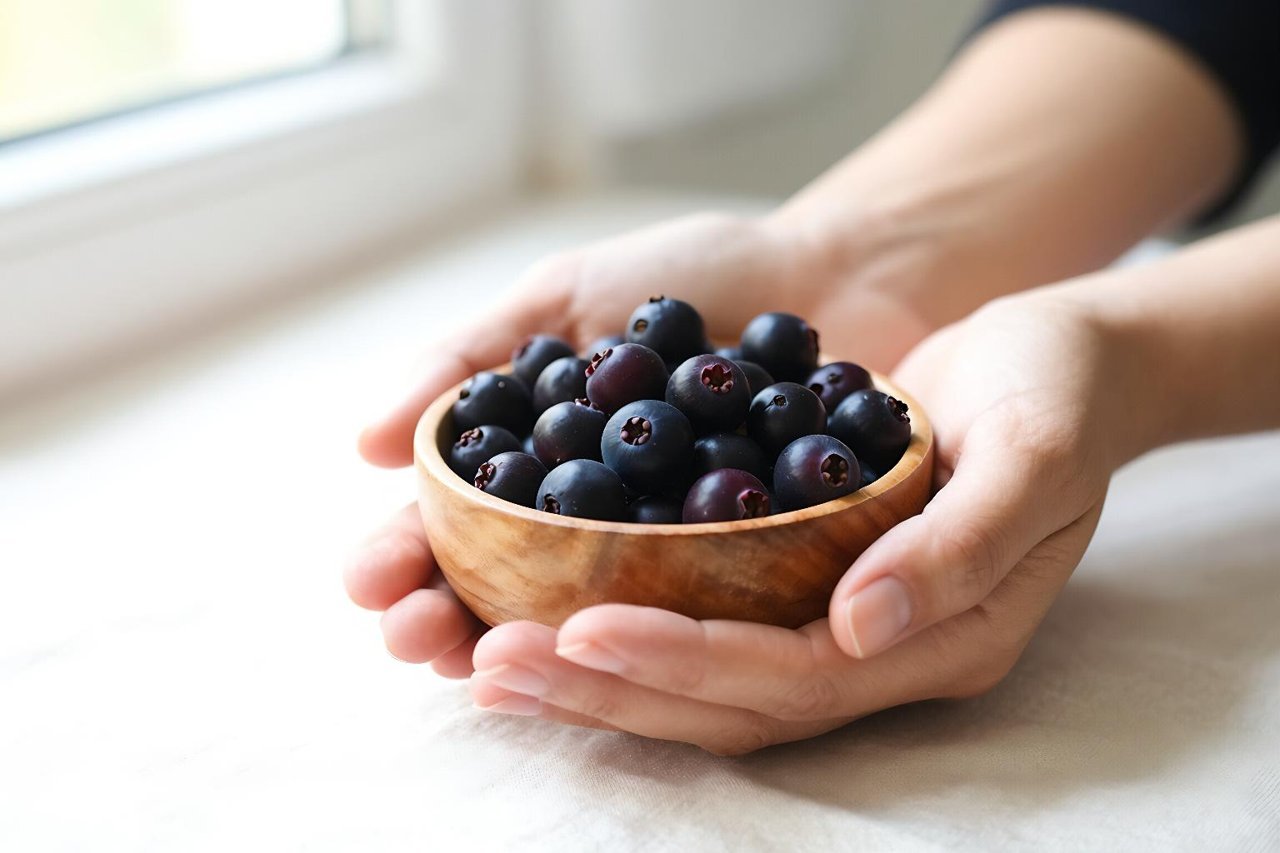
Walk down the supplement aisle and saw palmetto is on nearly every bottle aimed at men. Look a little closer and a growing number of women are taking it too, usually for entirely different reasons. Female hair thinning, deep hormonal breakouts along the jawline, and the stubborn symptoms of PCOS have pushed saw palmetto extract into women’s medicine cabinets.
So does a berry extract studied mostly in men actually do anything for a woman’s body? The honest answer is: sometimes, in specific situations, at the right dose. Here’s the fuller picture.
What saw palmetto extract actually is
Saw palmetto (Serenoa repens) is a low fan palm native to the southeastern United States. Its ripe berries were used by Native American communities for urinary and reproductive complaints long before anyone isolated a single compound from them. Most products today use a standardized extract rather than dried, ground berry, because the active ingredients are fat-soluble and concentrated during extraction.
Those actives are a blend of fatty acids and plant sterols, usually standardized to 85 to 95 percent fatty acids and measured by beta-sitosterol content. The extraction method matters more than most labels admit. A hexane extract, a supercritical CO2 extract, and a cheap ground powder are not interchangeable, which is a big reason study results swing so widely from one trial to the next.
Why women start taking it
The main draw is androgens. Saw palmetto appears to inhibit 5-alpha-reductase, the enzyme that converts testosterone into the far more potent dihydrotestosterone (DHT). DHT is the hormone most closely tied to follicle miniaturization in pattern hair loss and to excess oil production in acne. Block some of that conversion and, in theory, you get less downstream trouble.
Three groups of women tend to reach for it:
- Women with androgenetic alopecia — diffuse thinning at the part and crown, often with a family history of the same pattern.
- Women with hormonal acne — deep, tender breakouts on the jaw, chin and hairline that flare the week before a period.
- Women with PCOS — irregular cycles, elevated androgens, and the acne and shedding that come with them.
If that sounds familiar, it’s worth understanding how it tends to behave in female bodies, especially around hair, hormones and PCOS.
What the research shows in women
Honest answer first: the female-specific evidence is thin. Most of the strong trials were run in men with benign prostatic hyperplasia, so any clinical confidence we have is borrowed and stretched. That doesn’t make it useless, but it does mean treating bold claims with appropriate skepticism. If you want the deep dive on the male data that everything else leans on, the research on saw palmetto is a good place to start.
Hair thinning
The most cited study in women gave a combined supplement of saw palmetto with other botanicals to women with androgenetic alopecia, and most saw improvement across roughly 12 weeks. The catch: the formula had several ingredients, so it’s impossible to say how much credit saw palmetto deserves. A separate trial comparing topical saw palmetto with topical finasteride found both performed about the same, but that was a topical product in men. For women, treat oral saw palmetto as a mild, low-risk add-on, not a replacement for minoxidil or for actually getting a diagnosis.
Hormonal acne
Here the logic is tidy. DHT drives sebum output. Suppress the enzyme making it and oil production should fall. Many women report fewer cystic breakouts after 8 to 12 weeks, though formal trials in women are almost nonexistent and most reports are anecdotal. It seems to work best alongside standard treatments rather than instead of them.
PCOS
PCOS is where slightly more data exists, though still modest. Some small trials have pair saw palmetto with other herbs and reported improvements in testosterone, hair growth and cycle regularity, but sample sizes are tiny and follow-up is short. It is a reasonable complementary option while you work on the bigger levers like insulin resistance, sleep and stress. For a clear-eyed breakdown of what it can and can’t do for PCOS, that’s worth reading before you spend money.
Dosage and how women usually take it
The dose range studied most often in adults is 320 mg of standardized extract per day, taken either as one capsule or split into two 160 mg doses. Consistency matters far more than timing, so pick a slot you’ll actually remember.
- Standard dose: 320 mg daily of a standardized extract, or 160 mg twice a day.
- What to look for on the label: 85 to 95 percent fatty acids and sterols, with the extraction method named.
- Form: capsules of standardized extract beat teas, tinctures and loose powders for hitting a reliable dose.
- Timeline: give it a full 12 weeks. Hair cycles are slow, and acne shifts take at least two months to show.
- Pairing: take it with a meal containing fat, since the actives absorb better that way.
Side effects and who should be cautious
For most women, saw palmetto is well tolerated. The most commonly reported issues are mild stomach upset, headache and occasional dizziness, and these usually ease if you take it with food. A less common but real complaint is reduced libido, which makes sense given the hormonal mechanism.
Some situations call for a conversation with your doctor first:
- You’re pregnant, trying to conceive, or breastfeeding. Androgen-blocking effects are not something to experiment with during fetal development or nursing.
- You’re on blood thinners such as warfarin. There are case reports of increased bleeding, and the berry may also interfere with platelet function.
- You take hormonal contraception, spironolactone, finasteride or diabetes medication. Interactions are possible and worth checking.
- You have a history of hormone-sensitive conditions. Get a professional opinion before starting.
Stop at least two weeks before any planned surgery, since the bleeding concern applies there too.
How to choose a product that isn’t a waste of money
The supplement aisle is where a lot of good intentions go to die, because saw palmetto is easy to underdose or fake. A few practical filters help:
Check the back of the bottle, not the front. You want the standardized extract concentration, the fatty acid percentage, and the actual milligrams per serving, not a proprietary blend that hides how little is inside. Look for third-party testing from a lab such as USP, NSF or ConsumerLab, which catches products that don’t match their labels. Be wary of rock-bottom prices, since genuine standardized extract costs real money to produce. And if a bottle promises to regrow a full head of hair in two weeks, that’s marketing, not medicine.
Pair it with basics that do more heavy lifting than any capsule: a protein-rich diet, iron and vitamin D checked and corrected if low, gentle handling of your hair, and a proper scalp-friendly routine. Saw palmetto works best as one small piece of a plan, not the whole plan. If your thinning is sudden, patchy, or comes with fatigue and irregular cycles, see a doctor for bloodwork before self-treating, because thyroid issues, low ferritin and other causes need different answers entirely.
Used sensibly, at a studied dose, from a brand that has nothing to hide, saw palmetto extract can be a reasonable addition to a woman’s routine for hormonal hair and skin concerns. Just go in with realistic expectations, give it a fair three months, and keep your doctor in the loop.
