 1-800-656-4211




Blog
Akkermansia Probiotics: Side Effects You Should Know Before Starting

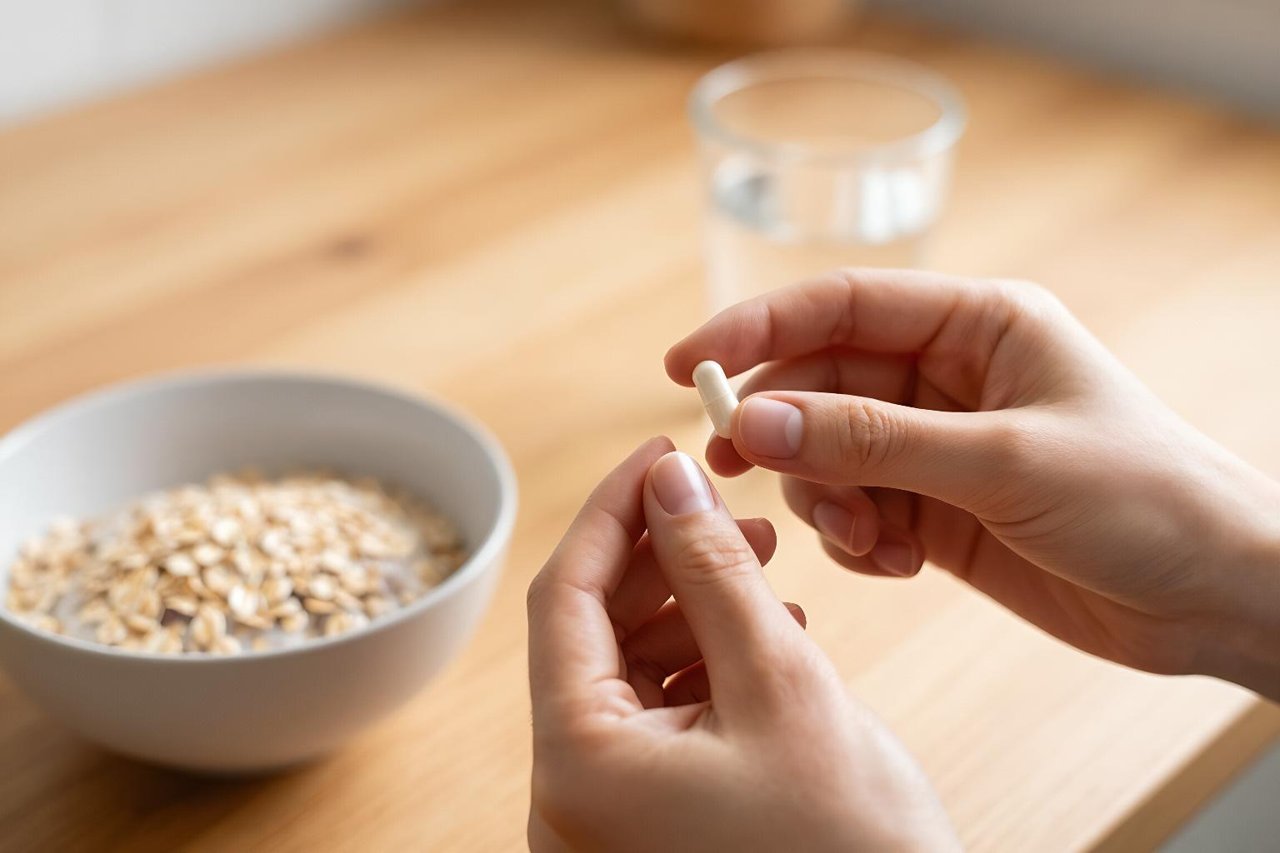
Akkermansia muciniphila has gone from obscure gut microbe to star supplement in just a few years. It’s linked to a healthier mucus layer, better metabolic markers, and even improved immune function. But as more people add it to their daily routine, a practical question keeps coming up: what are the side effects of Akkermansia probiotics?
The short answer is that most people tolerate it well. The longer answer involves understanding how this microbe interacts with your gut, why some people feel bloated or gassy at first, and which red flags mean you should stop and call a doctor. Here’s what you need to know before you swallow that first capsule.
Why Akkermansia Can Cause Side Effects at All
Akkermansia muciniphila is a bit different from your typical Lactobacillus or Bifidobacterium probiotic. It lives in the mucus layer that lines your colon, feeding on the sugars in that mucus and helping keep the barrier thick and resilient. When you introduce a new microbe—especially one that directly interacts with your gut lining—your existing bacterial community may shift. That shift is exactly what you want long-term, but in the short term it can produce temporary digestive noise.
If you’re new to this microbe, our guide to Akkermansia probiotics and the gut mucus layer explains how it works in more detail. The key point for side effects is that Akkermansia doesn’t just pass through—it actively changes the environment, and your body notices.
Common Side Effects (and How Long They Last)
Most reported side effects are mild and digestive. They tend to show up in the first one to two weeks and fade as your gut adapts. The most frequent complaints include:
- Bloating and fullness—especially after meals. This is often the first sign your gut bacteria are reacting to the new arrival.
- Gas—sometimes more than usual, sometimes less. It varies because Akkermansia alters fermentation patterns in the colon.
- Loose stools or diarrhea—usually mild and temporary, but a reason to lower your dose if it persists.
- Constipation—less common, but some people report slower transit for a few days before things normalize.
- Stomach cramps or gurgling—often described as a “busy” feeling in the lower abdomen.
These effects are typically not dangerous. They’re signs of change, not damage. Still, they’re uncomfortable enough that many people quit before giving their gut a chance to adjust. A smarter approach is to start with a lower dose—many supplements suggest 100 million to 500 million CFU or the equivalent pasteurized form—and increase only after a week or two of stability. Taking the capsule with a meal that contains some fiber can also soften the impact.
Less Common but Worth Knowing
Allergic reactions
True allergies to Akkermansia are rare, but they can happen. Watch for hives, itching, swelling of the lips or face, or difficulty breathing. Those are emergency signs—stop the supplement and seek medical help immediately. Milder reactions like a new skin rash or a runny nose after starting the probiotic are worth mentioning to your doctor.
Histamine sensitivity
Some probiotic strains can influence histamine levels in the gut. Akkermansia itself isn’t a major histamine producer, but if you have a known histamine intolerance or mast cell issues, you may notice flushing, headaches, or a racing heart after starting any new probiotic. Keep a simple symptom diary for the first week so you can spot patterns.
Immune system interactions
Akkermansia stimulates immune pathways—that’s part of why it’s studied for gut barrier support. For most people that’s beneficial. But if you take immunosuppressant drugs or have an autoimmune condition, talk to your doctor before adding any live probiotic. The same goes for anyone with a central venous catheter or a severely compromised immune system, where live bacteria carry a small but real risk of infection.
Who Should Be Extra Cautious?
Probiotics are generally safe, but Akkermansia is not a “one-size-fits-all” supplement. Be more careful if you fall into any of these groups:
- Pregnant or breastfeeding—safety data is limited. Ask your OB or midwife first.
- Children under 18—most studies are in adults. Don’t give it to kids without pediatric guidance.
- People with SIBO or severe IBS—introducing a mucin-degrading microbe can sometimes worsen symptoms if the small intestine is already overgrown. A low-and-slow approach with a practitioner’s oversight is wise.
- Anyone on antibiotics—space your probiotic at least two hours away from the antibiotic dose to give the bacteria a fighting chance.
- Post-surgery or hospitalized—wait until you’re recovered and cleared by your medical team.
If you have a chronic condition or take daily medication, a quick conversation with your doctor or a registered dietitian can save you weeks of guesswork. They can help you decide whether Akkermansia is worth trying and what dose to start with.
How to Reduce Side Effects: Practical Tips
You don’t have to white-knuckle your way through bloating. A few simple moves make the adjustment period much smoother:
- Start low. Half a dose for the first week is often enough to let your gut adapt without a rebellion.
- Take it with food. A meal with some fermentable fiber—oats, beans, or a piece of fruit—gives the bacteria something to work with and buffers the shock.
- Stay hydrated. Extra water helps keep things moving if you notice constipation.
- Don’t stack new supplements. Introduce Akkermansia alone for two weeks so you can tell what’s causing what.
- Check the form. Pasteurized (heat-killed) Akkermansia products may cause fewer digestive side effects than live cultures, though the research is still evolving. As we covered in our deep dive on Akkermansia’s role in gut health, the pasteurized form has its own set of studies and benefits.
If you’ve been taking it for three or four weeks and still feel worse—not just different, but genuinely worse—that’s a signal to stop. Persistent diarrhea, unrelenting cramps, or new joint pain are not part of the normal adjustment curve.
Red Flags That Mean Stop and Call Your Doctor
Most side effects are mild and self-limiting. But a few symptoms deserve immediate attention:
- High fever or chills
- Severe abdominal pain that doesn’t ease
- Blood in your stool or black, tarry stools
- Signs of an allergic reaction (hives, swelling, trouble breathing)
- Persistent vomiting
These are rare, but they’re worth knowing. If they appear, stop the supplement and seek medical care. Don’t try to “push through” a serious reaction.
The Bottom Line on Akkermansia and Side Effects
Akkermansia probiotics are not a magic pill, and they’re not risk-free—but for most healthy adults, the side effects are mild, temporary, and manageable with a little patience. The key is to treat your gut like a garden, not a machine. Start small, pay attention to what your body tells you, and don’t ignore persistent symptoms. If you’re unsure whether Akkermansia is right for you, a healthcare provider who knows your history can help you weigh the potential benefits against the risks. Your gut will thank you for the thoughtful approach.
