 1-800-656-4211




Blog
Whey Protein Powder for Muscle Gain: Side Effects Worth Knowing

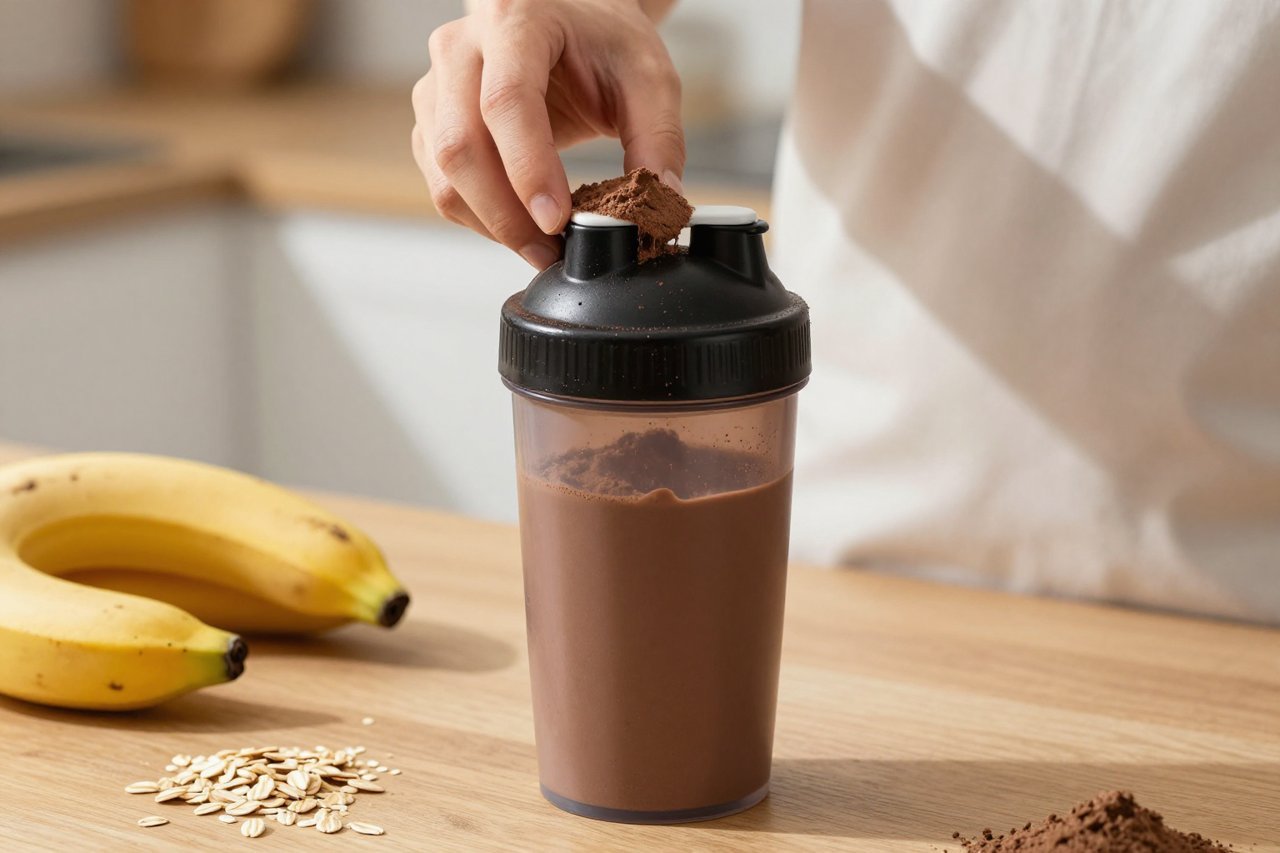
Search “whey protein powder for muscle gain: side effects” and you’ll find two camps: people who swear the stuff wrecked their digestion, and people who call every concern a myth. The truth sits in the middle. Whey is a convenient, high-quality protein with a strong leucine profile, and it helps lifters hit the 1.6–2.2 grams of protein per kilogram of body weight linked with muscle growth. It can also cause bloating, acne, or loose stools in certain people. The side effects that matter depend on your gut, your dose, and what else is in the tub.
The side effects people actually report
Whey is not a stimulant, so you won’t feel a buzz or crash. Most complaints are digestive or skin-related, and they tend to show up within 30 to 90 minutes of a shake.
- Bloating and gas. The usual suspects are lactose in whey concentrate and added fibres or sweeteners in flavoured powders.
- Loose stools or diarrhea. Large doses, lactose, or sugar alcohols can push things along too fast.
- Acne. Dairy can influence insulin and IGF-1, hormones tied to acne. The evidence is mixed, but some people notice breakouts.
- Thirst and constipation. High-protein diets need water and fibre. A shake-only day can leave you dehydrated and backed up.
- Allergic reactions. Whey is a milk protein. Hives, swelling, or wheezing are not normal side effects; they are a medical issue.
- Unwanted weight gain. Whey is calories. If you add 300–500 calories a day without adjusting meals, you may gain fat alongside muscle.
None of these are guaranteed. A 30g scoop of whey isolate contains very little lactose, and most healthy adults tolerate it without drama.
Why whey hits some stomachs harder than others
Lactose is often the culprit
Whey concentrate is typically 70–80% protein. The rest includes lactose, fat, and minerals. A 30g scoop of concentrate may deliver roughly 1–3g of lactose. That is small compared with a glass of milk, which has about 12g, but it is enough to trigger gas, cramping, or diarrhea in someone with lactose intolerance. Whey isolate is usually 90%+ protein and contains less lactose. If you love whey but hate the bloat, isolate or hydrolysed whey is the first swap to try. A lactase tablet with your shake can also help.
Sweeteners, thickeners, and “gut-friendly” add-ons
Sugar alcohols such as sorbitol and maltitol, inulin, chicory root fibre, and some artificial sweeteners can cause gas and loose stools. These ingredients are not whey, but they are common in flavoured powders. A plain unflavoured whey isolate mixed with water is a cleaner test of your tolerance.
Dose and speed
Downing 60g in one shake after a fast is a recipe for nausea. 20–40g per serving is plenty for most people. Spread total protein across three to five meals rather than trying to hit your daily target in one giant blender bottle.
Acne and dairy: a real link for some
Whey and dairy can influence insulin and IGF-1, hormones that may play a role in acne. The evidence is not a smoking gun. Reviews have found associations between skim milk and low-fat dairy and acne, but whey protein specifically is less studied. If you notice breakouts after starting whey, remove it for four to six weeks and see what happens. If your skin clears, try a lactose-free isolate or a non-dairy protein. If nothing changes, whey probably was not the trigger.
Kidney and liver scares: what the evidence says
Healthy kidneys handle high-protein diets. There is no reliable evidence that whey protein damages the kidneys or liver in people with normal function. The confusion comes from advice given to people with chronic kidney disease, who may need to limit protein. If you have CKD, liver disease, or a transplant, talk to your doctor before adding supplements. Drink enough water, especially if your total protein intake is high and your fibre intake is low. A normal 20–40g shake is not a threat to a healthy person.
For a closer look at protein powder side effects that actually matter, the evidence is less dramatic than the headlines.
Side effects caused by the way you use whey
Liquid calories and fat gain
Muscle gain requires a calorie surplus, but whey makes it easy to overshoot. Two scoops in whole milk with a banana and peanut butter can hit 700–800 calories. That is fine if you planned it. If you are adding it on top of three normal meals, you may gain fat faster than muscle. Track for two weeks. If the scale moves up about 0.25–0.5kg per week for a beginner, you are in a reasonable range. Faster than that usually means extra fat.
Replacing meals with shakes
Whey is protein, not a multivitamin. A shake is not a substitute for vegetables, fruit, whole grains, and fibre. People who replace two meals a day with shakes often end up hungry, constipated, and low on micronutrients. Use whey to fill a protein gap, not to skip food.
Contamination and banned substances
Protein powders are supplements, so regulation varies. Some products have been found to contain heavy metals or undeclared ingredients. If you compete in drug-tested sport, choose products with Informed Sport or NSF Certified for Sport. For everyone else, buy from a company that publishes third-party test results and avoid proprietary blends that hide doses. Watch for amino acid spiking, where cheap glycine or taurine is added to inflate the nitrogen reading.
Who should be cautious with whey
- Milk allergy. Whey is a milk protein. Avoid it completely if you have a true allergy. Hives, swelling, or trouble breathing need medical attention.
- Lactose intolerance. Choose isolate, hydrolysed whey, or take lactase.
- Kidney disease. Ask your doctor or dietitian before increasing protein.
- Acne-prone skin. Test a four-to-six-week break before blaming whey.
- Anyone with a history of disordered eating. Tracking protein and calories can become rigid. Get support rather than forcing a supplement.
How to use whey without the side effects
Most people do fine with a few basic adjustments.
- Start with 20g, not 50g, and see how you feel.
- Choose whey isolate if gas or bloating is an issue.
- Mix with water first. Milk adds lactose and calories.
- Take it with food or fibre if it upset your stomach on an empty one.
- Check the label for sugar alcohols, inulin, and chicory root.
- Drink enough water throughout the day.
- Keep total protein around 1.6–2.2g per kilogram of body weight.
How much protein do you actually need for muscle gain?
Research points to about 1.6–2.2g per kilogram per day. For an 80kg lifter, that is 128–176g. If you eat 100g from food, one or two 25g shakes close the gap. More protein beyond that does not build more muscle; it just adds calories. Whey is a tool for hitting the target, not a magic switch.
A simple tolerance test
Buy a small tub of unflavoured whey isolate. For three days, take 20g in water with breakfast. Note gas, bloating, stool changes, and skin. If you feel fine, increase to 30–40g. If symptoms appear, switch to a lactose-free isolate or a different brand with fewer additives. If you get hives, swelling, or trouble breathing, stop and seek medical care. If digestive symptoms last more than two weeks, or you see blood in your stool, get checked. A supplement should make muscle gain easier, not make you miserable.
