 1-800-656-4211




Blog
Pre Workout Supplements: Side Effects That Catch People Mid-Set

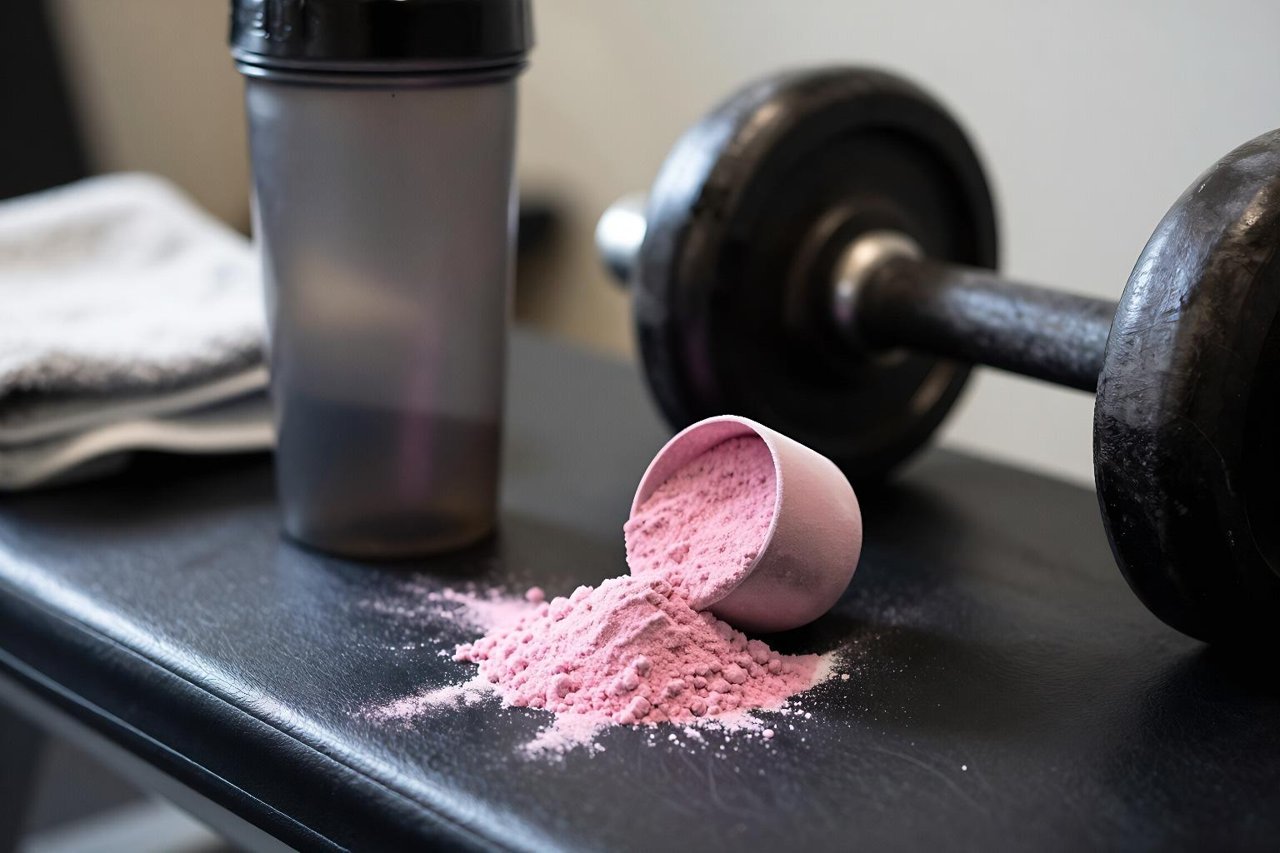
The tingling usually starts in your ears or fingertips, then spreads across your face and down your arms. Ten minutes after the first scoop you’re scratching your neck in the gym mirror, wondering whether you’re having a reaction or just experiencing the strangest buzz of your life. It’s beta-alanine, it’s harmless for most people, and it’s a decent introduction to why the side effects of pre workout supplements get so badly misunderstood. Some are annoying but benign. A few are worth taking seriously.
You’re Taking Six Ingredients at Once, Not One
A typical scoop delivers 200–350mg of caffeine, 1.6–3.2g of beta-alanine, 6–8g of citrulline malate, plus taurine, tyrosine, B vitamins, sweeteners, colours, and often a “proprietary blend” that hides every individual dose. So when something goes wrong — a racing heart, a stomach cramp, a sleepless night — you have no way of knowing which ingredient did it.
There’s a second problem underneath that one: half the ingredients in a £40 tub have thin evidence behind them. Knowing which pre workout ingredients actually work makes the side effect question much easier to answer, because you can drop the ones that only cause trouble.
Caffeine Causes Most of the Trouble
A double espresso carries about 120mg of caffeine. Plenty of pre workouts carry 300mg, and the “extreme” versions push past 400mg — roughly four cups of coffee, swallowed in twenty seconds on an empty stomach at 7am.
Heart rate, jitters, and full-blown anxiety
Caffeine blocks adenosine receptors, which keeps you alert, and drives adrenaline release, which is why your hands shake and your pulse climbs 10–20 beats per minute. If you’re sensitive, that can tip into something that feels like a panic attack: tight chest, pounding heart, the sense that you can’t quite fill your lungs. It passes within an hour or two. It’s still a horrible way to spend a warm-up.
The sleep cost you never notice
Caffeine’s half-life is around five to six hours. A 300mg dose at 6pm still leaves roughly 150mg circulating at midnight, which trims deep sleep even if you drop off without difficulty. Poor sleep damages recovery far more than any pre workout improves your session.
Beta-Alanine Tingling: Uncomfortable, Not Dangerous
That pins-and-needles feeling has a name — paresthesia — and it’s the single most reported beta-alanine side effect. It fades within 60–90 minutes. Splitting the dose across two smaller servings, or choosing a sustained-release version, takes the edge off. Nothing is happening to your nerves, and the sensation isn’t a sign of overdose.
Niacin Flush Gets Mistaken for an Allergy
Some formulas include 30–100mg of niacin, which dilates blood vessels close to the skin. Within twenty minutes your face and chest can turn red and hot to the touch. It looks alarming and feels worse, but it’s a predictable drug-like effect rather than an allergic reaction, so antihistamines won’t touch it. Time will. If you’ve had a genuine reaction to a supplement before — hives, swelling, wheezing — that’s a different situation and worth a doctor’s visit.
Blood Pressure, Heart Rhythm, and Grey-Market Stimulants
This is the part worth real caution. Synephrine from bitter orange, yohimbine, and high-dose huperzine A can raise blood pressure and set off palpitations, especially in people who are already hypertensive or prone to anxiety. The stimulant DMAA was pulled from shelves after heart attacks and deaths, yet close chemical cousins still appear in products sold online with clean-looking labels.
If you have any cardiovascular history, an arrhythmia, or you take blood pressure medication, a stimulant-heavy pre workout is the wrong place to experiment. Unexpected reactions to everyday products are more common than most people assume — the wider pattern of nutritional supplement side effects that catch people off guard sits right here, and stimulant blends are near the top of the list.
Stomach Cramps and the Sprint to the Toilet
Sugar alcohols like maltitol and sorbitol, plus inulin or soluble corn fibre used to bulk out a scoop, pull water into the gut. The result is bloating, gas, and an urgent need for the bathroom somewhere around your third set. Magnesium oxide, often added for “pump”, is a laxative at higher doses. It’s the same mechanism behind the digestive trouble some people get from high-fibre foods like chia — small amounts are fine, a big dose hits fast and hard.
Antioxidant Blends May Be Working Against You
Plenty of pre workouts add vitamin C, vitamin E, and berry powders because they sound healthy. Look at the training research and the picture shifts: high-dose antioxidants can blunt the cellular signalling that drives muscle adaptation after resistance work. You’re paying extra for an ingredient that may shrink the return on the session you just trained through. There’s a fuller case for why megadose antioxidant supplements deserve more scrutiny before you take them daily.
Interactions Worth Checking Before You Scoop
- ADHD stimulants such as methylphenidate or amphetamine salts: stacking these with 300mg of caffeine can drive heart rate and anxiety uncomfortably high.
- Blood pressure medication: stimulants work directly against beta-blockers and ACE inhibitors.
- Antidepressants: MAOIs interact badly with tyramine and yohimbine; some SSRIs raise bleeding risk alongside added fish oil or ginkgo.
- Blood thinners like warfarin: high-dose vitamin E and ginkgo can push bleeding risk up further.
- Thyroid medication: caffeine interferes with absorption, and added biotin skews thyroid blood test results.
- Pregnancy and breastfeeding: most blends have no safety data at all, and the daily caffeine ceiling drops to 200mg.
How to Get the Benefit Without the Rough Edges
None of this means you have to bin the tub. It means treating the scoop as a dose rather than a ritual. A few habits eliminate most of the misery:
- Start with half a scoop. You can always add more next session; you can’t un-swallow it.
- Take it 45–60 minutes before you train, not in the car park. The caffeine peak lands around 45 minutes and the tingling settles by the time you’re under the bar.
- Set a caffeine curfew at 2pm and count every source — coffee, cola, energy drinks, the pill your training partner offers you.
- Keep total daily caffeine under 400mg, and lower it to 200mg if you’re pregnant, on medication, or prone to anxiety.
- Cycle off for a week every six to eight weeks. Tolerance to caffeine builds quickly, and the stimulant effect is the first thing you stop feeling.
- Buy single-ingredient products where you can. 6g of citrulline malate and 3.2g of beta-alanine, dosed separately, tell you exactly what’s causing what.
- Drink 500ml of water with your scoop. Most of the headaches people blame on pre workouts are dehydration plus caffeine.
Keep a two-line note on your phone for the first week of any new product: what you took, when, and how you felt two hours later. That small record will tell you more about which ingredients suit you than any review section or label claim — and it’s the only reliable way to separate the side effect you can live with from the one you should stop taking today.
