 1-800-656-4211




Blog
Guanabana Benefits: What This Tropical Fruit Can Do for Your Health

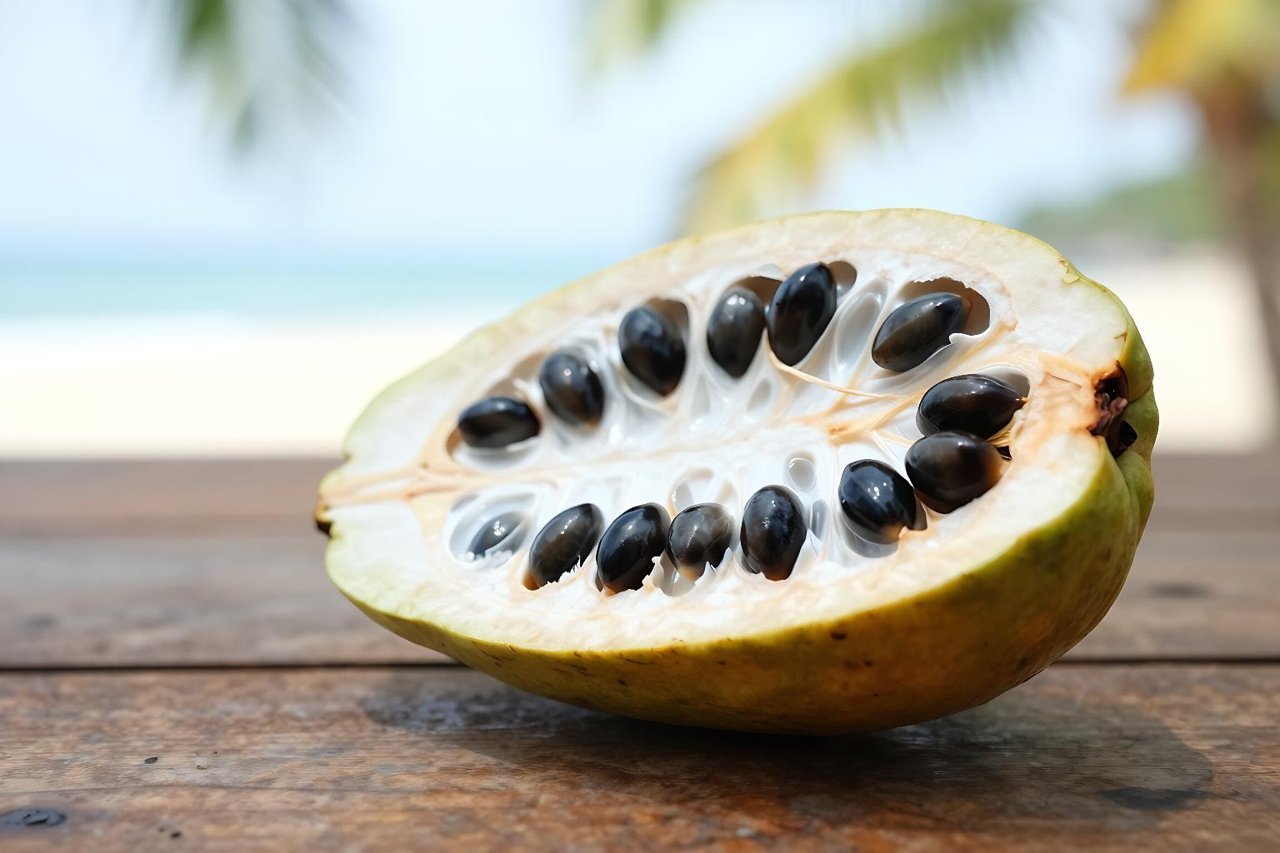
Guanabana, often called soursop or graviola, is one of those fruits that looks like it came from another planet. Its dark green, spiky exterior hides a soft, white flesh that tastes like a cross between strawberry, pineapple, and coconut. Native to the Caribbean, Central America, and parts of South America, this tropical fruit has been a staple in traditional medicine for centuries. Now, researchers are taking a closer look at the guanabana benefits that go beyond its unique flavor.
The Nutritional Profile of Guanabana
Before we get into specific benefits, it helps to know what’s inside. A 100-gram serving of raw guanabana provides about 66 calories, 3.3 grams of fiber, and 20.6 grams of carbohydrates. It’s also a decent source of vitamin C, providing around 20% of your daily needs. You’ll find potassium, magnesium, and thiamine in there too. But the real story is in the plant compounds: acetogenins, alkaloids, and phenolic acids that give guanabana its medicinal punch.
Key Guanabana Benefits Backed by Research
A Powerful Antioxidant Boost
Guanabana is loaded with antioxidants, which help neutralize harmful free radicals in your body. Free radicals are linked to chronic diseases like heart disease, diabetes, and cancer. A study published in Molecules found that guanabana pulp and leaves contain significant amounts of flavonoids and phenolic compounds. These antioxidants can reduce oxidative stress and protect your cells from damage.
May Help Fight Inflammation
Chronic inflammation is at the root of many health issues. The acetogenins in guanabana have demonstrated anti-inflammatory effects in test-tube and animal studies. One study on rats with induced arthritis found that guanabana leaf extract reduced swelling and inflammatory markers. While human studies are lacking, the traditional use of guanabana for inflammatory conditions like arthritis and gout supports these findings.
Supports Digestive Health
The fiber in guanabana is great for your gut. A single cup of pulp gives you about 7 grams of fiber, which is roughly a quarter of your daily requirement. Fiber helps prevent constipation, feeds beneficial gut bacteria, and keeps your digestive system running smoothly. Guanabana also has antimicrobial properties that may help combat harmful bacteria like Helicobacter pylori and E. coli, according to a study in the Journal of Ethnopharmacology.
Potential Anti-Cancer Properties
This is the most researched, and most controversial, area. Lab studies have shown that guanabana extracts can kill various cancer cells, including breast, colon, prostate, and lung cancer cells. The acetogenins appear to block ATP production in cancer cells, effectively starving them. However, it’s crucial to note that these are test-tube and animal studies. No clinical trials have confirmed that guanabana can treat cancer in humans. In fact, the FDA has warned against claims that guanabana supplements cure cancer. If you’re interested in the broader picture of this fruit’s therapeutic potential, our article on soursop benefits covers more of the research.
May Help Regulate Blood Sugar
Several animal studies suggest that guanabana can lower blood sugar levels. In one study, diabetic rats given guanabana extract experienced a significant drop in blood glucose. The fiber content also helps slow the absorption of sugar into the bloodstream. That said, if you have diabetes, don’t ditch your medication. Guanabana can be part of a balanced diet, but monitor your levels and talk to your doctor.
Boosts Your Immune System
Vitamin C is a well-known immune booster, and guanabana has plenty. A single serving provides about 20% of your daily vitamin C needs, which supports the production of white blood cells and helps them function more effectively. The antioxidants in guanabana also protect immune cells from oxidative damage, keeping your defenses strong.
Promotes Healthy Skin
That same vitamin C is essential for collagen production, which keeps your skin firm and youthful. Antioxidants in guanabana fight free radicals caused by UV exposure and pollution, which can lead to wrinkles and age spots. Some traditional beauty remedies use guanabana pulp as a face mask to soothe inflammation and brighten skin.
May Improve Sleep and Relaxation
In the Caribbean and South America, guanabana leaves are brewed into a tea to promote relaxation and sleep. Animal studies have shown that guanabana extracts can have a sedative effect on the central nervous system. While there’s no human data yet, a cup of guanabana leaf tea might be worth trying if you struggle to unwind at night.
How to Add Guanabana to Your Diet
Fresh guanabana is available in tropical regions and increasingly in Latin American markets abroad. If you can get your hands on one, here are some ways to enjoy it:
- Eat it raw: Slice the fruit open, scoop out the white flesh, and remove the black seeds. The seeds are toxic, so spit them out.
- Blend it: Guanabana makes a creamy, tropical smoothie. Combine the flesh with coconut water, lime, and a bit of honey.
- Juice it: In many countries, guanabana juice is a popular street drink. Blend the flesh with water and strain.
- Make tea: Dried guanabana leaves are sold for tea. Steep them in hot water for 5-10 minutes.
- Try supplements: Capsules and powders are available, but quality varies widely. Look for products tested by third parties.
Safety and Precautions
Guanabana is generally safe when eaten as a fruit. But there are some important cautions. The seeds and bark contain annonacin, a neurotoxin linked to atypical Parkinson’s disease in some studies. Never eat the seeds, and avoid consuming large amounts of the bark or leaves. Pregnant women should avoid guanabana, as it has been used traditionally to induce abortion. If you take medication for blood pressure or diabetes, guanabana may amplify the effects, so talk to your doctor. Finally, guanabana supplements are not regulated, and some have been found to contain contaminants.
Choosing Quality Guanabana Products
If you’re buying guanabana supplements, look for brands that provide a certificate of analysis and use third-party testing. Fresh fruit is always preferable when available. Dried leaves for tea should be organic and free of additives. As with any herbal product, start with a small dose to see how your body reacts. And remember, no fruit or supplement can replace a balanced diet and medical care.
