 1-800-656-4211




Blog
Echinacea Supplement: Does It Really Shorten Your Cold?

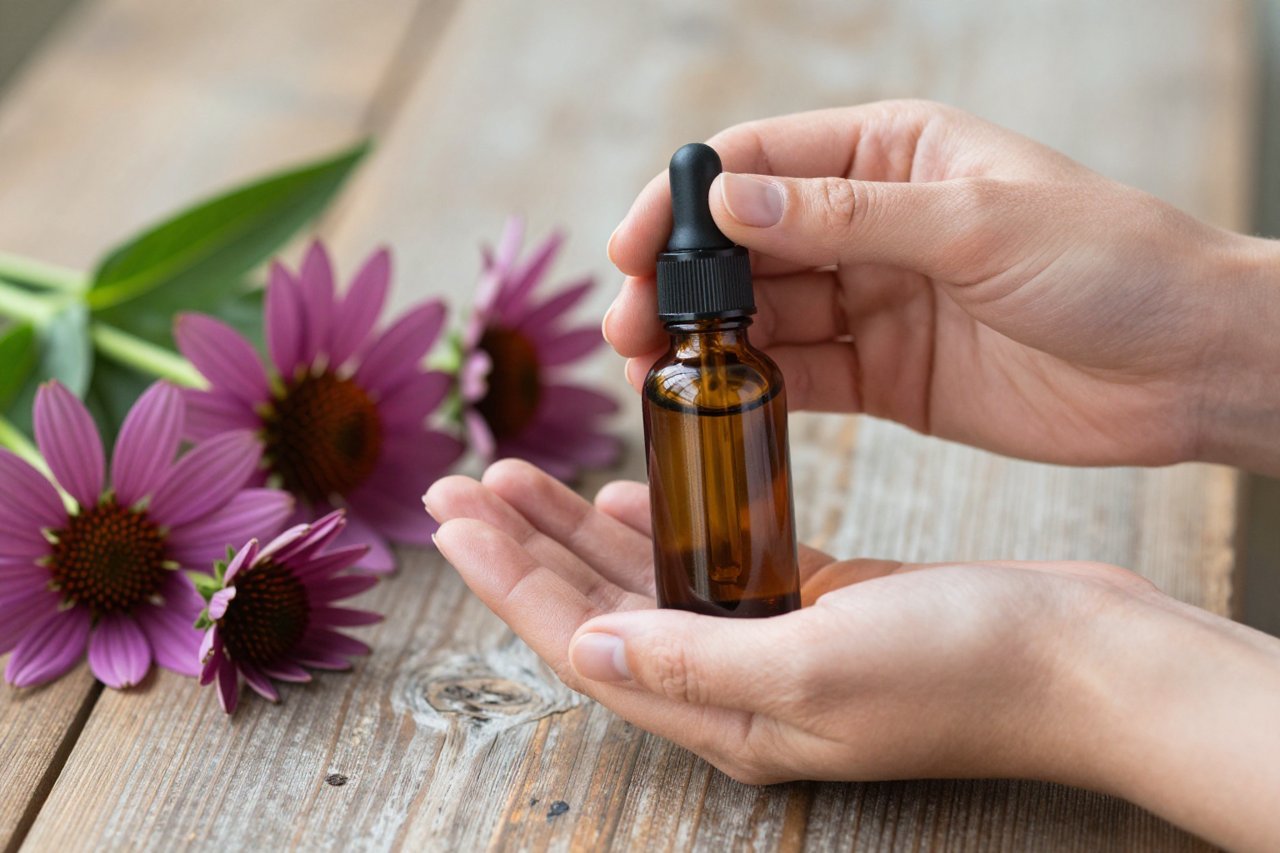
Your throat feels like you swallowed a rasp. Your nose is running, and you’ve got a presentation in two days. You’ve heard that an echinacea supplement might help. But does it actually do anything, or is it just a pretty purple cone flower with a good PR team?
Echinacea has been used for centuries, and today it’s one of the best-selling herbal supplements in the United States. Yet the science is messier than the marketing suggests. Here’s what you need to know before you spend your money.
What echinacea actually is
Echinacea is a genus of flowering plants in the daisy family. Three species show up in supplements: Echinacea purpurea, Echinacea angustifolia, and Echinacea pallida. The purple coneflower you see in gardens is usually purpurea. Native American tribes used the root and aerial parts to treat infections, wounds, and snakebites. Today, manufacturers use different parts—roots, leaves, flowers—and extract them with alcohol, water, or glycerin.
That variation matters. A capsule of dried root from one brand may have a completely different chemical profile than a tincture made from fresh juice of another. The active compounds include alkylamides, polysaccharides, and caffeic acid derivatives. No one has pinned down exactly which one does the heavy lifting, which is one reason studies disagree.
Does an echinacea supplement prevent or shorten colds?
The short answer: maybe a little, if you take the right product at the right time. The long answer involves a lot of conflicting research.
A widely cited 2007 meta-analysis in The Lancet Infectious Diseases looked at 14 studies and found that echinacea reduced the odds of catching a cold by 58% and shortened colds by 1.4 days. Those numbers made headlines. But later reviews were less enthusiastic. A 2014 Cochrane review concluded that echinacea might slightly reduce cold duration, but the evidence was weak and inconsistent. Some trials showed no benefit at all.
Part of the problem is that colds are caused by hundreds of different viruses, and people’s immune responses vary. A 2012 study in Evidence-Based Complementary and Alternative Medicine gave volunteers either echinacea or a placebo and then infected them with rhinovirus. The echinacea group had fewer symptoms, but the difference wasn’t statistically significant.
What does this mean for you? If echinacea works, it’s not a cure. It might shave half a day to a day off your cold, and it might make your symptoms feel milder. That’s not nothing, but it’s also not a guarantee. Think of it as a nudge to your immune system, not a switch.
How to pick a quality echinacea supplement
The supplement aisle is a wild west. Because the FDA doesn’t review herbal products for effectiveness before they hit shelves, you have to do your own homework. Here’s what to look for:
- Species and plant part. Most research uses Echinacea purpurea or a blend. Check the label for the exact species. Root and aerial parts have different compounds, so choose a product that tells you what’s inside.
- Standardization. A quality extract will list a standardized percentage of active compounds—often 4% phenolics or 2-3% alkylamides. That doesn’t guarantee it works, but it means the manufacturer is trying to deliver consistent doses.
- Third-party testing. Look for seals from USP, NSF International, or ConsumerLab. These verify that the product contains what it claims and isn’t contaminated with heavy metals or microbes.
- No junk fillers. Avoid capsules with hydrogenated oils, artificial colors, or added sugar. Simple is better.
- Freshness. Echinacea loses potency over time. Check the expiration date and buy from a store with high turnover.
Tinctures and liquid extracts tend to absorb faster than tablets, but they often contain alcohol. Glycerin-based tinctures are an option for people who want to avoid alcohol. Capsules are convenient and taste-free. Tea made from dried echinacea root is another route, though the dose is harder to control.
Dosage: how much should you take?
There’s no official recommended daily allowance for echinacea. Doses vary by product and by what you’re trying to do. For cold prevention, some studies use 300 mg of dried extract three times a day. For treating a cold at the first sign, many herbalists suggest 500 mg every two to four hours for the first day, then taper off. Tinctures are often dosed at 2.5 mL three times daily.
The key is timing. If you’re going to try echinacea, start it within 24 hours of feeling that first tickle. Once a cold is in full swing, it’s probably too late for much benefit. Also, follow the label—more isn’t better. High doses can cause nausea, dizziness, or upset stomach.
Some people cycle echinacea: two weeks on, one week off, to avoid overstimulating the immune system. There’s no solid evidence that cycling is necessary, but it’s a common practice among herbalists. If you plan to take it for more than eight weeks, talk to a healthcare provider.
Who should be cautious with echinacea
Echinacea is generally safe for short-term use in healthy adults. But it’s not for everyone.
If you’re allergic to plants in the daisy family—ragweed, chrysanthemums, marigolds—you might react to echinacea. Symptoms can include rash, itching, or in rare cases, anaphylaxis. Start with a small dose to test your tolerance.
People with autoimmune conditions like rheumatoid arthritis, lupus, or multiple sclerosis should be careful. Echinacea stimulates the immune system, which could theoretically make these conditions worse. The same goes for anyone taking immunosuppressant drugs, such as organ transplant recipients or people on certain cancer treatments. Check with your doctor first.
Pregnant and nursing women have limited safety data. Some studies suggest it’s low-risk, but the safest bet is to avoid it unless your doctor says otherwise. Children can take echinacea, but dosing should be based on weight and guided by a pediatrician.
Drug interactions are possible. Echinacea may affect how your liver breaks down certain medications, including some antiarrhythmics, antifungals, and anti-anxiety drugs. If you take prescription meds, ask your pharmacist before adding echinacea to your routine.
Other potential benefits (and why they’re not proven)
Colds get most of the attention, but researchers have looked at echinacea for other things. Small studies have explored its use for anxiety, eczema, and even cancer-related fatigue. A 2010 trial found that echinacea reduced anxiety in people with a history of panic attacks, but the sample was tiny. Another study suggested it might help with skin hydration and wrinkles when applied topically. These are interesting leads, not reasons to buy a supplement.
What about immune support in general? Echinacea does seem to increase the activity of certain immune cells, like macrophages and natural killer cells, in lab dishes. Whether that translates to fewer sick days in real life is still up for debate.
A realistic way to use echinacea supplements
If you want to try echinacea, treat it as one small piece of a bigger strategy. Keep a bottle of capsules or tincture in your medicine cabinet. At the first sign of a cold—scratchy throat, sneezing, that heavy feeling behind your eyes—start taking it according to the label. Get extra sleep, drink plenty of fluids, and don’t push through your workout.
Don’t expect a miracle. The best-case scenario is that you feel a little less miserable and bounce back a day sooner. The worst-case scenario is that you waste $15 and get a stomach ache. For most healthy people, the risk is low. But if you’re pregnant, nursing, on immunosuppressants, or have an autoimmune disease, skip it unless your doctor gives the green light.
And remember: a supplement is not a substitute for medical care. If your symptoms are severe, last more than 10 days, or come with a high fever, see a doctor. Echinacea won’t fix a sinus infection or the flu. It’s just a purple flower that might give your immune system a gentle nudge—nothing more, nothing less.
