 1-800-656-4211




Blog
Goji Benefits: What These Red Berries Can Really Do for Your Health

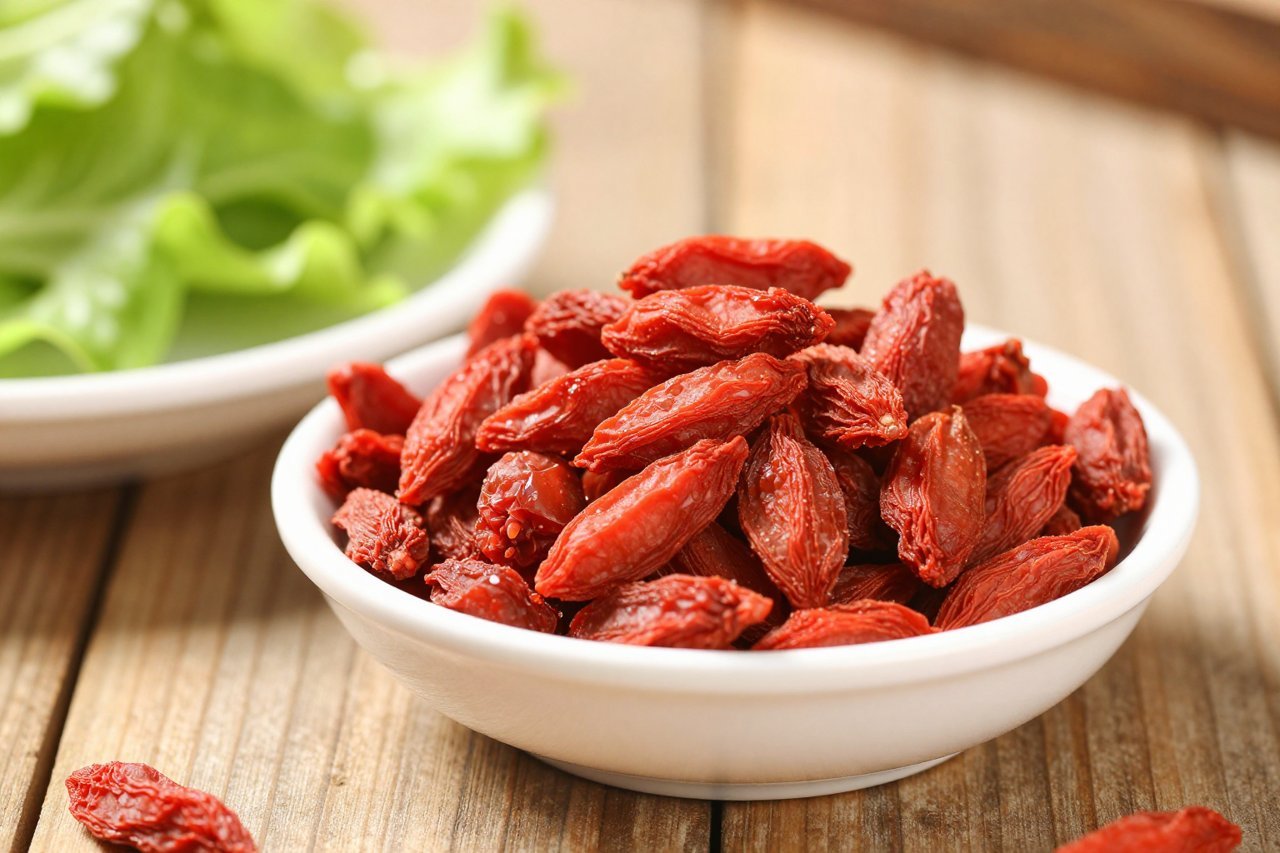
At first glance, dried goji berries don’t look like much. They’re small, wrinkled, reddish-orange ovals sitting in the bulk bin, more like shrivelled cranberries than a “superfood”. But these unassuming fruits have been used in Traditional Chinese Medicine for centuries, valued for supporting vision and immunity. These days, goji berries appear in smoothie bowls, trail mixes, and even juice blends. The question is simple: do the goji benefits actually live up to the hype?
What Are Goji Berries, Exactly?
Goji berries come from Lycium barbarum, a shrub native to the grasslands of China, Mongolia, and the foothills of the Himalayas. The bright red-orange fruits grow in clusters and are incredibly perishable when fresh. So most of the time, you’ll encounter them dried, with a texture similar to raisins and a taste that falls somewhere between a cranberry and a sour cherry.
In Traditional Chinese Medicine, goji berries were often simmered into soups or steeped as tea to nourish the blood, eyes, and kidneys. Modern science has started to investigate these uses over the past twenty years. While research is still emerging, the results are intriguing enough to make goji berries one of the few wellness staples with genuine potential.
Goji Nutrition: A Small Serving With a Serious Punch
One of the main reasons goji berries stand out is their unusually high concentration of bioactive compounds for such a lightweight fruit. A typical 20–30 gram handful of dried berries provides:
- Antioxidant carotenoids, especially zeaxanthin, which is rare in fruit.
- Polysaccharides that act as prebiotics and may modulate the immune system.
- Vitamin C, with some studies showing levels several times higher than oranges by dry weight.
- Iron, zinc, selenium, and small amounts of B vitamins.
- All nine essential amino acids, which is unusual for a fruit.
This combination makes goji berries more than just a low-calorie snack. But nutrients on paper don’t automatically translate to health benefits in the body. You need to look at what human studies have found.
Goji Benefits With Real Research Behind Them
Many of the claims circulating online about goji berries are exaggerated, but some have a solid evidence base. For a meticulous look at the clinical literature, check out this deep dive into goji berries health benefits and what the science really says. Here are the areas where research is most promising.
Eye Health: Zeaxanthin Makes the Difference
Your eyes are exposed to constant oxidative stress from UV light and high-energy visible blue light. The retina naturally concentrates a pigment called zeaxanthin in the macula, where it acts like internal sunglasses. Goji berries happen to be one of the best food sources of zeaxanthin around.
A small but notable clinical trial from the University of California, Davis found that older adults who consumed a serving of goji berries five times per week for 90 days significantly increased their macular pigment density compared to a placebo group taking a lutein supplement. Higher pigment density is linked to a lower risk of age-related macular degeneration, the leading cause of vision loss in people over 60. You don’t need to eat a mountain of berries either. Around 20 grams a day appears enough.
Immune Support and Inflammation
Goji berries are rich in unique polysaccharides called Lycium barbarum polysaccharides (LBPs). These compounds appear to influence immune cell activity. Several human trials have looked at short-term immune function after regular goji berry consumption.
In one randomised controlled trial, healthy adults aged 55–72 drank goji juice daily for 30 days. At the end of the study, they had higher numbers of lymphocytes and better overall immune response measures than those drinking a placebo. Another study in young, healthy adults found that goji juice improved subjective feelings of energy and reduced fatigue. While this doesn’t mean goji berries can prevent colds or turbo-charge immunity overnight, they do seem to give the immune system a modest nudge.
Blood Sugar and Insulin Balance
Keeping your blood sugar steady is one of the smartest things you can do for long-term health. Some animal studies show that goji berry extracts can improve insulin sensitivity and help cells absorb glucose more efficiently. Human evidence is thinner, but a few small trials suggest that consuming goji berries alongside a carbohydrate-rich meal can blunt the post-meal spike in blood sugar.
The likely mechanism is twofold. The carbohydrates in goji berries are released slowly because of the fibrous skin, and LBPs may slow down the digestion of other starchy foods you eat at the same meal. That makes them a sensible addition to yoghurt or oatmeal if you are watching your glucose levels. Always keep the portion moderate, since dried fruit is still a concentrated source of natural sugar.
Skin Defences and Collagen Protection
Do goji benefits extend to your skin? Some early research suggests they might. The combination of zeaxanthin and vitamin C in goji berries can help protect skin cells from UV-induced oxidative damage. A small Chinese study over 30 days found that women who drank goji juice had reduced skin reactivity to UV light and a slight increase in skin tolerance.
Polysaccharides in goji berries may also support the skin’s extracellular matrix, the structural framework that keeps skin firm. While more research is needed, replacing a sugary snack with a handful of goji berries is certainly unlikely to hurt your complexion.
Simple Ways to Add Goji Berries to Your Day
If you’ve only seen goji berries languishing in the baking aisle, you might wonder how to eat them. The dried berries don’t soften well if you chew them out of the bag, but cooking or soaking helps bring out their flavour. Here are some easy, no-fuss ideas:
- Steep a tablespoon of dried gojis in hot water for five minutes and drink the tea, or add the softened berries to your muesli.
- Blend them into smoothies with banana, spinach, and almond butter for a naturally sweet kick.
- Chop them and add to muffin or pancake batter in place of half the raisins.
- Simmer into soups, especially hearty chicken or miso-based broths, a classic way to use them in China.
- Roll a handful into energy balls with oats, dates, and cacao powder.
If you prefer a faster breakfast option, goji berries pair beautifully with yoghurt and granola. Many people also wonder about the liquid form. Juice retains a lot of the nutrients and clinical trials have used juice, but it is easier to overdo the sugar. If you’re curious about the differences, this piece on goji juice benefits explains the research behind the ruby-red drink.
Are There Any Side Effects or Risks?
For most people, goji berries are safe when eaten as food. That said, a few precautions matter. Goji berries contain natural compounds that can thin the blood, so if you take warfarin or other anticoagulant medication, speak with your doctor before making them a daily habit. They can also lower blood sugar; if you are on diabetes medication, monitor your levels closely. Because goji berries may stimulate the immune system, people with autoimmune conditions or those taking immunosuppressive drugs should be cautious and consult a healthcare provider.
One other thing: quality matters. Because goji berries are dried and stored for long periods, some commercial products may be treated with sulfur dioxide to preserve their bright colour. If you have asthma or a sensitivity to sulfites, choose unsulphured berries. You can usually find them at health food stores or online from reputable sellers. If you want even more inspiration for getting these berries into your routine, take a look at these surprising goji berry benefits and easy ways to eat more. From supporting eye health to adding a subtle tartness to dinner bowls, goji berries are a genuinely useful addition to a varied diet. And, unlike many trendy supplements, they taste good too.
