 1-800-656-4211




Blog
Benefits of Raspberries: What Science Says About This Tiny Superfruit

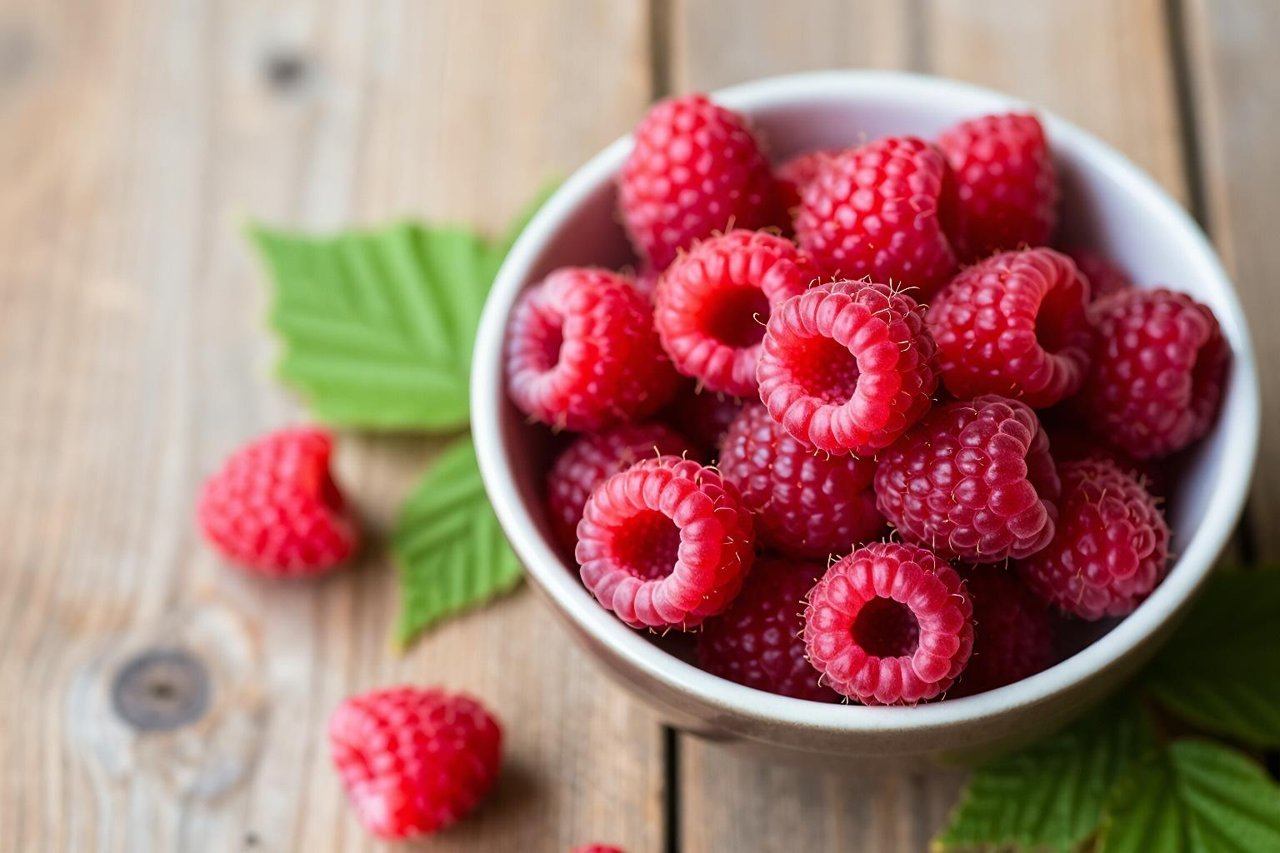
Raspberries are easy to dismiss. They look fragile and they have a short shelf life, but every little drupelet is packed with compounds that help your body run smoothly. One cup has just 64 calories and yet supplies 8 grams of fiber, over a third of your daily vitamin C, and an antioxidant lineup that holds up against any exotic superfood. The benefits of raspberries go far beyond simple hunger satisfaction. Once you understand how each component works, you will find yourself adding them to more than just summer desserts.
Why Raspberries Are a Nutritional Overachiever
One cup of whole raspberries contains eight grams of dietary fiber. If you are trying to hit 25 to 30 grams per day, that single cup gets you a third of the way there in one go. It also delivers about 32 mg of vitamin C, more than a third of the recommended amount for most adults. Alongside those you get manganese, magnesium, folate and small amounts of omega-3 from the seeds.
Raspberries are low in sugar compared with other fruit. A cup contains about 5.4 grams of sugar, while a cup of chopped pineapple can pack more than 16 grams. That balance of high fiber and modest sugar makes raspberries a smart way to deal with a sweet craving.
Blueberries usually get the headlines. This guide to blueberry nutrition covers the many ways that berry supports health. Raspberries share many of those benefits and their fiber-to-sugar ratios are even better.
Antioxidants: The Compounds Behind the Ruby Red Color
The red color of raspberries comes from anthocyanins. These compounds act as antioxidants within your bloodstream and in your tissues. They also give the berry a mildly tart taste that most people associate with freshness. Alongside anthocyanins, raspberries are one of the best sources of ellagic acid. Ellagic acid is a plant polyphenol that certain gut bacteria convert to urolithins, compounds known for their anti-inflammatory properties.
Laboratory studies show that raspberry extracts reduce DNA damage in cells exposed to peroxides. Whole fresh raspberries and freeze-dried raspberry powder both display this effect in cellular models. While that doesn’t translate directly to humans, it explains why epidemiologists keep linking berry intake to lower rates of chronic disease.
Heart Health: Keeping Your Arteries Happy
Heart health relies on keeping arteries flexible and free of plaque. Raspberries help through three distinct routes. Soluble fiber binds cholesterol and bile acids in the intestine, lowering LDL levels. Potassium helps your blood vessels handle sodium. And the ellagitannins in raspberries promote nitric oxide release, something that relaxes the artery lining.
Clinical trials focused on raspberries are fewer than those on blueberries, but the mechanisms are shared. For a deeper summary of how berry anthocyanins influence cardiovascular function and the brain, take a look at this post on blueberry benefits for heart health and brain power. Even with fewer formal trials, the available research on raspberry supplementation shows lower oxidative stress markers and better flow mediated dilation.
Blood Sugar Balance Without the Sugar Spike
Raspberries have a low glycemic index and glycemic load, so they don’t push blood sugar upward the way processed grains can. Their fiber works like a sponge, slowing digestion and the release of glucose into the blood.
Human feeding trials point to additional benefits from the polyphenols. When researchers gave overweight adults a breakfast with added berry extracts, insulin responses dropped by 15 to 20 percent compared with the no berry breakfast, even though the carbohydrate amounts were the same. Raspberries also contain natural compounds that may interfere with the enzymes that break down starch into sugar.
Feed Your Gut: Raspberries and the Microbiome
Fiber is only half of the gut story. Raspberries contain it both as insoluble material from the tiny seeds and as soluble gel forming pectin from the flesh. While you cannot digest this fiber, your gut bacteria love it.
After the microbes ferment the fiber, they release short-chain fatty acids. One of these, butyrate, keeps the intestinal wall strong and moderates inflammation. Including raspberries in your regular diet creates a microenvironment that supports a healthier gut lining and less bloating.
Weight Management: A Low Calorie Food That Still Satisfies
If there was ever a food that deserves the label of volume eater, it’s raspberries. They contain around 83 percent water and a huge amount of structural fiber, so they take up room in your stomach without loading up your calorie intake. You can eat two cups and consume about 130 calories.
That quantity would fill a cereal bowl. Compare it with a blueberry muffin, which offers a similar number of calories but far less fiber. Fresh raspberries make you feel like you got a treat, not a diet food.
Pairing raspberries with protein rich food such as Greek yogurt is one of the smartest snack moves you can make. We highlight berries at the top of our list of healthy snacks for weight loss because they keep cravings under control without adding many calories to your day.
Easy Ways to Include More Raspberries
Meal and Snack Ideas
You don’t need an elaborate recipe to enjoy these berries. Try a few of these low effort but delicious approaches:
- Mash half a cup of raspberries on plain Greek yogurt with a sprinkle of chia seeds for breakfast.
- Blend frozen raspberries with unsweetened almond milk and a spoonful of almond butter for a smoothie that tastes like dessert.
- Add raspberries to a spinach salad with goat cheese and walnuts. The tart fruit balances the creamy cheese beautifully.
- Simmer raspberries with a teaspoon of lemon juice and a little water to make a quick compote for pancakes or oatmeal.
- Eat them straight from the container. When they’re fresh, they rarely need anything else.
What to Know About Buying and Storing
Raspberries spoil quickly, so purchase them from a refrigerated case and let your nose guide you. A ripe raspberry should smell sweet and floral. If the container looks wet or stained, move on, those berries are already turning.
At home, pat the bottom and top of the container dry with a paper towel if you see condensation. Store them in the original clamshell, but make sure they aren’t piled higher than two inches. Refrigerate them uncovered or with only a light perforated cover to keep air circulating. Wash them right before eating, never before storing, because moisture triggers mold growth.
To freeze raspberries, spread them in one layer on a baking sheet. Freeze until firm, then transfer to a zip top bag. Frozen berries keep their nutritional value for up to a year and stay individually separated, making them perfect for smoothies and baking. No recipe required, just a habit worth keeping.
