 1-800-656-4211




Blog
Goji Berries Health Benefits: What the Science Really Says

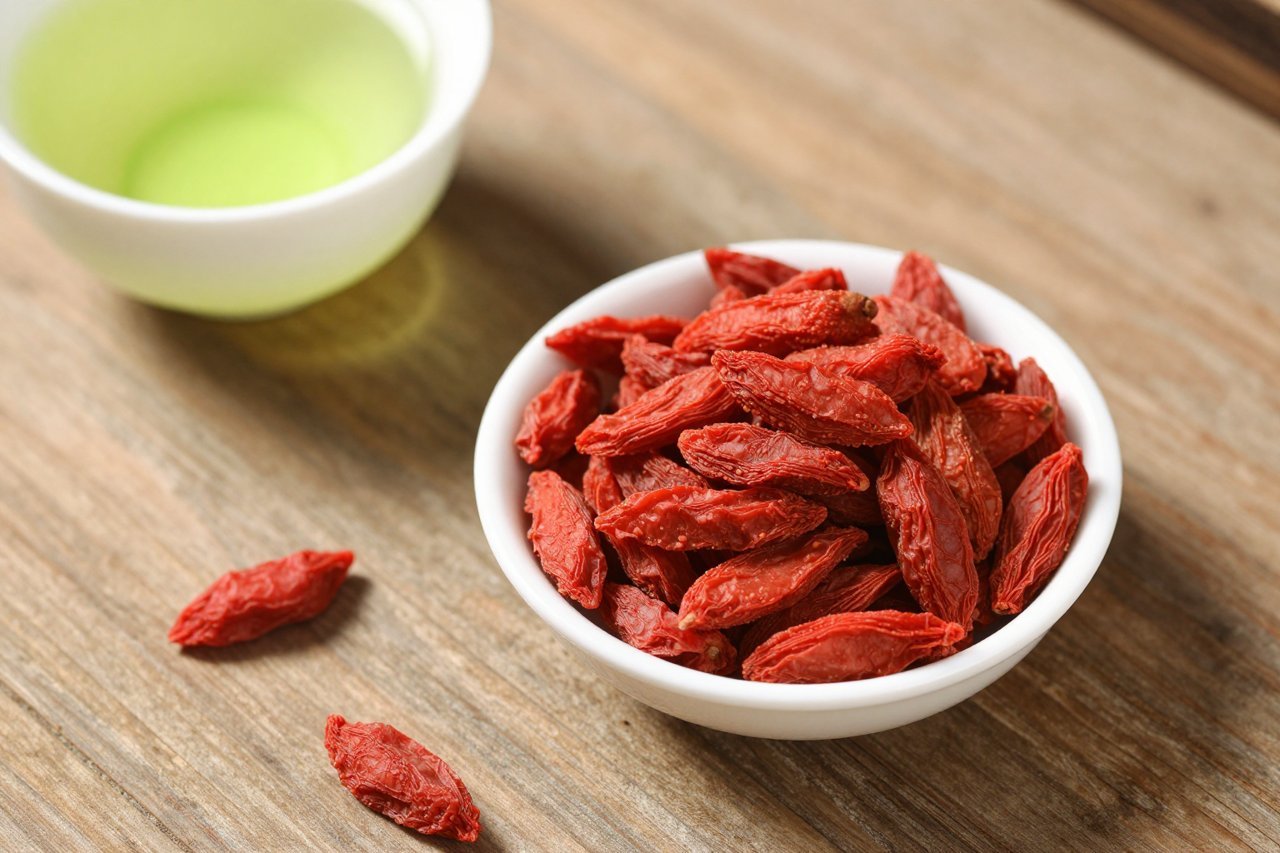
The little orange-red berry that has moved from ancient Chinese tonic to modern smoothie bowls isn’t just decorative. Goji berries, also called wolfberries, have a faintly sweet taste somewhere between cranberry and cherry, and their chewy texture makes them easy to snack on. Long before they were sold as “superfoods,” goji berries were used in traditional Chinese medicine to support vision, protect the liver, and fight fatigue. The question is whether those modern health claims survive contact with peer-reviewed research. Spoiler: some of them do, and a handful a day may help in ways you can actually notice.
What a handful of goji berries gives you
A 30-gram portion of dried goji berries is small enough to fit in your palm, but it is surprisingly nutrient-dense. Unlike raisins, dates, or most other dried fruits, gojis provide a little protein and fiber along with their natural sugar. That single serving roughs out to about three grams of protein, two grams of fiber, and measurable amounts of vitamin C, vitamin A, iron, and zinc.
There is also zeaxanthin, an antioxidant carotenoid that concentrates in the retina of your eye and acts like internal sunglasses by filtering damaging blue light. Cooked or dried, goji berries are plant-based nutrition you can keep in your backpack for weeks.
More than vitamin C: the polysaccharides
Beyond vitamin C, gojis contain complex sugar molecules called Lycium barbarum polysaccharides, or LBPs. These large antioxidant compounds are responsible for many of the immune-modulating effects scientists study. They also give goji berries that slightly sticky, glossy texture once you soak them in water. While LBPs have been examined in labs for decades, controlled human trials have only picked up speed in recent years.
Eye health is their strongest documented benefit
Adding goji berries to your breakfast may not give you eagle vision overnight, but it could protect the sharpness you still have. Zeaxanthin is one of two major carotenoids that make up the macular pigment at the center of the retina. Your body cannot synthesize it, so you need a regular dietary supply. Goji berries are one of the best food sources known, with higher zeaxanthin content than spinach or corn.
In one small clinical study, healthy adults ate 28 grams of dried goji berries five days per week for three months. Researchers found significant increases in both blood zeaxanthin levels and the density of macular pigment, a key marker linked to lower risk of age-related macular degeneration. Other studies using goji berry juice have shown similar shifts in retinal protection, although the effect tends to fade once you stop eating them regularly. This goji berry guide digs deeper into the studies and how to make them a lasting habit.
What we know about immune support and inflammation
In laboratory dishes, goji polysaccharides activate macrophages and T lymphocytes, two white blood cell types that hunt down pathogens. Small human trials also suggest that daily goji consumption can improve measures of immune function, especially in older adults who tend to have weaker responses to vaccination and infection.
A study of healthy people over 60 found that drinking a goji polysaccharide preparation for one month led to a more robust immune response compared with a placebo group. That doesn’t mean a handful of berries will stop you catching a cold, but it adds weight to the idea that goji supports your body’s first line of defence. The effect is probably stronger when goji is part of a diverse diet rich in other fruits and vegetables.
Making peace with goji’s sugar content for blood sugar concerns
Because dried goji berries contain natural sugars, people sometimes assume they’re bad for glycemic control. But goji’s fiber, antioxidant compounds, and unique polysaccharides may help blunt glucose spikes. In one small trial, healthy volunteers who ate a portion of goji berries alongside a carbohydrate-heavy meal had a lower blood sugar response than those who skipped the berries. Separate research in people with type 2 diabetes linked daily goji consumption to modest improvements in insulin sensitivity over ten weeks.
That doesn’t give you permission to eat them by the bowlful, but it suggests gojis don’t behave like a bag of sugary dried mango. If you are watching your blood sugar, stick to a small serving with some protein, such as a tablespoon of goji folded into Greek yogurt.
Could goji berries improve your skin?
Antioxidants in goji, especially the carotenoids, may protect skin cells from ultraviolet damage and support the production of collagen. Preliminary human research has also tied daily supplementation with goji polysaccharides to better skin elasticity and moisture retention after eight weeks. In one study, women who drank a concentrated goji beverage saw visible improvements in the evenness of their skin tone compared with the placebo group.
This research is still early, but it aligns with the traditional Chinese claim that goji feeds the skin from within. The hydration effect of soaked goji berries may help, too, since dried fruit fibres and polyphenols can support healthy digestion and a more resilient skin barrier.
Are there risks or downsides to goji berries?
Goji berries are generally safe, but they aren’t for everyone. Their vitamin K content can interfere with blood-thinning medications like warfarin, so if you take anticoagulants, check with your doctor before making goji a daily habit. Goji also belongs to the nightshade plant family, which means people who react to tomatoes, potatoes, or paprika could occasionally experience an allergic response.
Remember that dried goji berries are often sprayed with pesticides and may contain traces of sulfur dioxide to preserve their color. Buying organic goji berries and rinsing them well is a simple way to reduce those exposures. Because they are sweet and chewy, it’s easy to eat too many. Keep portions around 20 to 30 grams you know, a small closed fist and you’ll get benefits without a sugar crash.
Easy ways to eat more goji berries every day
Goji berries are too often treated as an exotic add-in reserved for expensive smoothie bars. In reality, they are as simple to use as raisins or dried cranberries.
- Soak before snacking. Pour a little hot water over a handful and let them sit for five minutes. The berries soften to a sweet-tart texture that’s easier to eat and gentler on the gut. Add the goji soaking water to tea for extra flavor.
- Stir into porridge. Fold a tablespoon into oatmeal or rice porridge while it’s still hot. The warmth plumps the berries and infuses the whole bowl with color.
- Blend into smoothies. Dried goji can be gritty if added dry, so soak for two minutes first or use a high-power blender. The berries pair well with banana and coconut milk.
- Sprinkle over salads. Their chewiness works like cranberries in a quinoa salad. Add feta, roasted pumpkin, and a sage maple dressing.
- Make goji tea. Simmer goji berries with warm water and a little honey, then drink both broth and berries for the full fiber reward.
If you’re ready to be more ambitious, these easy ways to eat more goji berries include smoothie recipes, energy bites, and overnight oat combinations that make going beyond the soup bowl simple.
One simple routine I return to: soak two teaspoons of goji berries in warm water while your green tea steeps. After five minutes, drink the tea and chew the softened berries like a little tonic. It is not an elaborate ritual, but taken daily it becomes an easy way to keep these ancient red fruits in your life without overthinking them.
