 1-800-656-4211




Blog
The Surprising Goji Berry Benefits (Plus Easy Ways to Eat More)

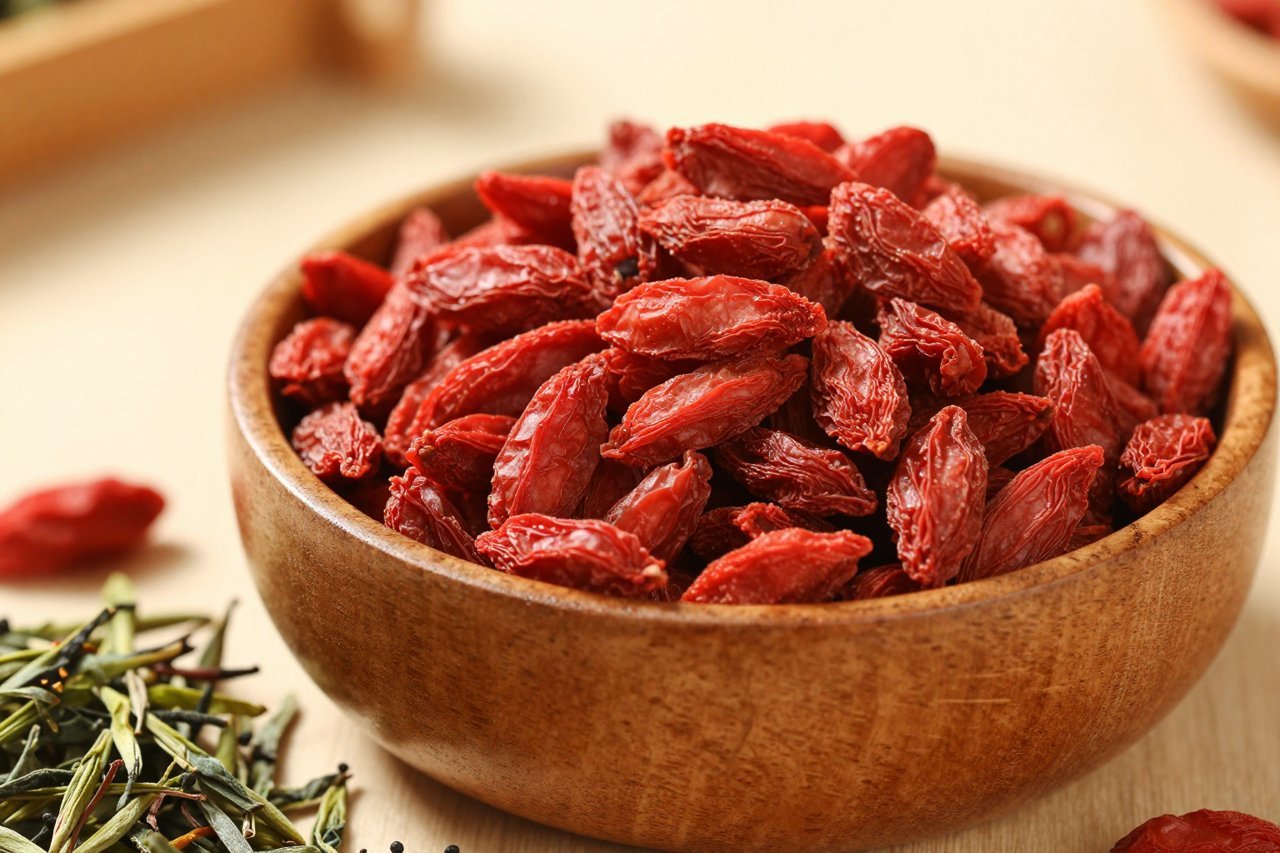
Goji berries look like tiny crimson raisins, but their story is much older than your latest wellness feed. They have been part of traditional Chinese medicine for more than 2,000 years, usually dried and brewed into soups or teas. Today, they sit on grocery store shelves next to goji juice, powdered extract, and bags of chewy dried fruit.
The goji berry benefits are not just marketing spin. These small red fruits produce antioxidants and plant compounds that are difficult to find elsewhere. To understand them fully, it helps to take a closer look at what is actually in a dried goji berry.
Goji Berry Benefits at a Glance
Regularly eating goji berries has been linked to everything from tired eyes to a slower-recovering immune system. Here is a quick look at the areas researchers are most excited about:
- Eye protection: Goji berries are one of the richest food sources of zeaxanthin, a carotenoid that collects in the retina.
- Immune support: Their unique polysaccharides appear to support white blood cell activity.
- Skin resilience: The antioxidants help neutralise free radicals caused by sunlight and pollution.
- Blood sugar balance: Early studies suggest goji may blunt post-meal glucose spikes.
- Steadier energy: Some clinical trials report less fatigue and better overall week.
What Makes the Goji Berry So Different?
Most berries shine because of anthocyanins, the dark purple compounds in blueberries and blackberries. Goji berries are different. Instead, they lean on a set of yellow-orange carotenoids, including zeaxanthin and its close cousin lutein. They also contain a family of complex carbohydrates called Lycium barbarum polysaccharides, or LBPs, which are rarely found in other fruits.
A small handful of dried goji berries delivers decent amounts of vitamin C, iron, copper, selenium and fibre. You also get vitamin A in the form of beta-carotene. This gives the berries their bright red-orange colour and much of their reputation as a beauty food.
Goji Berry Benefits in Action
1. Eyes that stay sharp
Zeaxanthin and lutein act like built-in sunglasses for the macula, the central part of your retina. They filter high-energy blue light and help prevent oxidative damage. Goji is unusual because it contains a form of zeaxanthin called dipalmitate that appears to be efficiently absorbed when you eat the whole berry.
Human trials have shown that eating 30 grams of dried goji berries each day can increase plasma zeaxanthin and macular pigment density over a few months. That matters for anyone who stares at screens for hours or worries about age-related vision loss.
2. A more resilient immune system
The immune-modulating effects of goji have fascinated researchers for decades. In test-tube and animal studies, LBPs seem to activate macrophages, natural killer cells and T-lymphocytes. These cells are your immune system’s early responders.
One small placebo-controlled study with healthy older adults found that those who drank goji juice for two weeks showed stronger lymphocyte responses and less fatigue. The results are promising, though not enough to claim that goji can cure colds or fight serious infections. It simply appears to give your immune system an extra layer of support.
3. Skin that looks less stressed
Goji carries more than just a lovely glow. The combination of carotenoids, vitamin C and polysaccharides can help protect skin from environmental stressors. Ultraviolet light triggers free radicals that break down collagen and lead to premature wrinkles. Eating foods high in antioxidants is one way to keep that process in check.
A handful of studies, mostly conducted in China, reports that drinking goji juice may reduce skin sensitivity and improve how skin responds to UV damage. Of course, goji is not a substitute for sunscreen. Think of it as an inside-out defence that works best when you also use SPF and keep your skin hydrated.
4. Blood sugar that doesn’t swing
Goji berries taste pleasantly sweet, yet their effects on blood sugar may be beneficial. In one small human study, drinking goji juice reduced post-meal glucose levels and improved insulin sensitivity in a group at risk of diabetes. Animal research has found similar effects with concentrated goji extracts.
Because goji berries are whole fruits, they still contain natural carbohydrates, so portion control matters. A handful after your meal is fine, but a whole bag is not. The fiber helps slow down sugar absorption, but only when you treat goji as a condiment rather than a snack basket.
5. Brighter energy and mood
Traditional Chinese healers used goji to reduce fatigue and strengthen vitality. Modern research is beginning to line up with that belief. A widely cited study involving healthy adults found that daily consumption of goji juice for two weeks led to higher ratings of energy, improved athletic performance, and fewer feelings of strain or fatigue.
Those results have not been replicated as many times as researchers would like. Still, the evidence points to a berry that supports the adrenal system and stabilises energy better than a sugar-laced energy bar.
How to Buy Goji Berries and What to Look For
Fresh goji berries are delicate and rarely seen outside China. Most of the goji you will find in the West is dried. Look for berries that are bright red-orange and slightly glossy. Dull brown berries may be older and have less nutritional value.
If you buy goji in bulk, store it in an airtight glass jar away from sunlight and heat. Dried goji keeps for about a year under the right conditions. Check with a gentle squeeze; they should be pliable like raisins, not rock hard.
Goji juice can also be helpful, but many commercial versions add unnecessary sweetness. If you buy juice, choose 100% goji juice or one that lists goji as the only ingredient. Supplements are another option, though whole berries provide fiber and more consistent nutrition.
Easy Ways to Eat Goji Berries Every Day
A reasonable daily serving is about 20 to 30 grams, which is roughly two heaped tablespoons. If you eat them plain, their flavour can be a little tart with a hint of celery. Soaking them for ten minutes in warm water plumps them up and makes them sweeter, turning the water into a slightly herbal tea.
- Goji trail mix: Combine one part goji berries, two parts raw almonds, one part sunflower seeds and a few dark chocolate chips for a classroom-safe snack.
- Make regular tea: Add one tablespoon of goji to hot water with grated ginger and a squeeze of lime. After ten minutes, you have a rich red brew.
- Blend into smoothies: Soak goji in warm water first, then blend with frozen mango, banana and any nut milk.
- Swap them into oatmeal: Stir a handful into porridge or muesli. They soften nicely during cooking.
- Goji overnight oats: Combine oats, chia seeds, almond milk and goji berries the night before. By breakfast, the rest of the jar is dotted with soft bursts of orange.
If you want to experiment in the kitchen, rehydrated goji berries also work well in rustic bakes, couscous salads and even pan sauces for roasted chicken. Their unique balance of sweet and savoury lets them slide into dishes that would never welcome a blueberry or raspberry.
Before you make goji a daily habit, a quick note: these berries can interact with blood thinners such as warfarin and with some blood pressure medications. If you take prescription medication, it is always a good idea to run the change by your doctor or pharmacist.
Small, red and unassuming, goji berries have earned their place in the wellness world. Whether you eat them soaked in tea, tossed through yogurt or simply by the handful, their unique combination of zeaxanthin, polysaccharides and everyday nutrients makes them an easy addition to a diet that values longevity.
