 1-800-656-4211




Blog
The Health Benefits of Cherries: More Than Just a Summer Treat

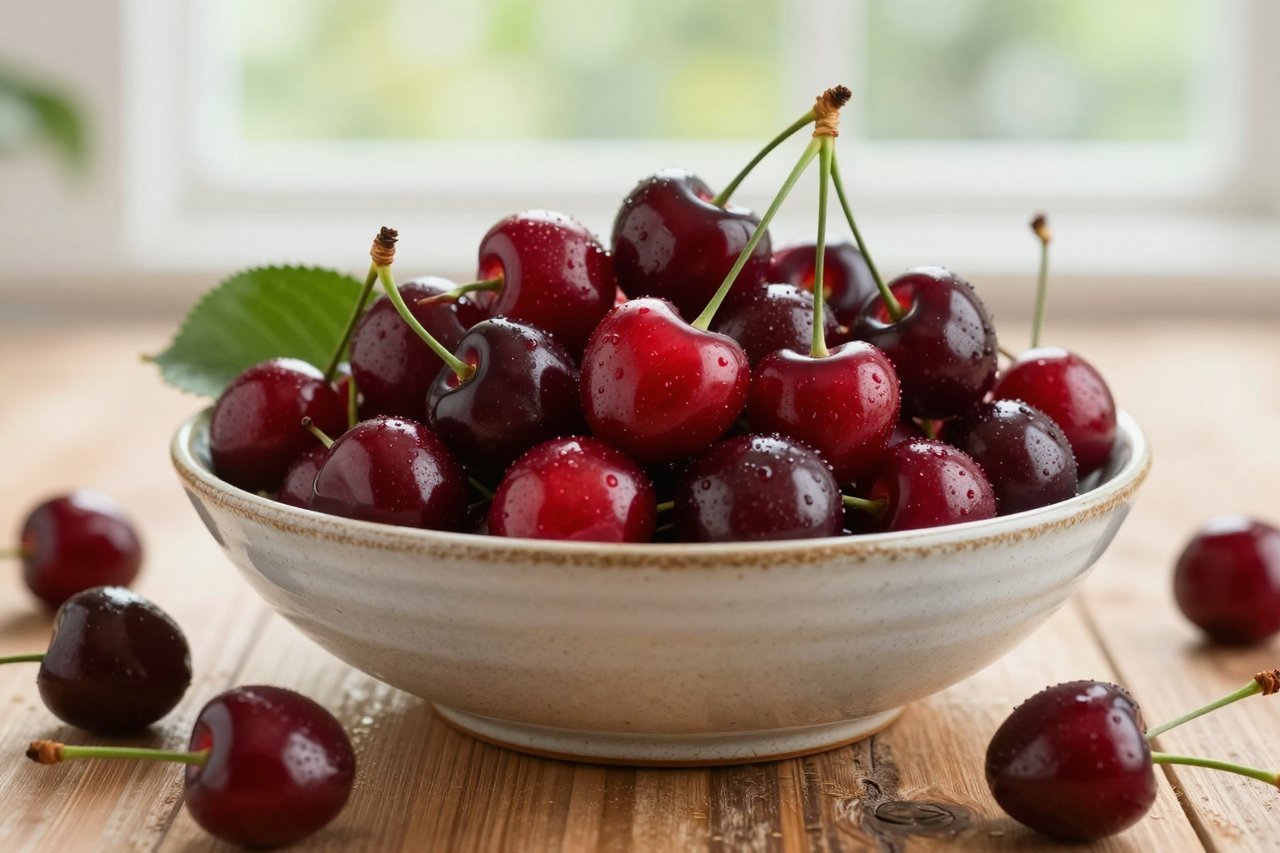
Cherries are having a moment. Not just as the star of summer pies and ice cream sundaes, but as one of the most studied fruits in nutritional science. You’ve probably seen tart cherry juice in the wellness aisle or heard athletes swear by it for muscle recovery. The truth is, both sweet and tart cherries bring a lot to the table — and we’re not just talking about flavor.
Whether you prefer them fresh, frozen, dried, or juiced, cherries pack a serious nutrient punch. They’re loaded with vitamins, plant compounds, and fiber that can influence everything from how well you sleep to how quickly your muscles recover after a workout. Here’s a close look at the health benefits of cherries, and why you might want to keep a bag in your freezer long after summer ends.
What’s Actually in a Cherry?
Before diving into the benefits, it helps to know what makes cherries so special. One cup of pitted sweet cherries (around 150 grams) gives you roughly:
- 90 calories and about 3 grams of fiber
- 18% of your daily vitamin C needs
- 10% of your daily potassium needs
- Smaller amounts of vitamin B6, vitamin K, and magnesium
That’s a solid foundation, but the real magic lies in the pigments. Cherries are one of the richest food sources of anthocyanins, the compounds that give them their deep red and purple colour. These natural antioxidants have been linked to everything from reduced inflammation to better brain function.
Tart cherries, with their sharp, tangy flavour, are a different beast entirely. If you’re curious about how they stack up nutritionally, this closer look at tart cherries explains why the sour version holds some unique benefits, especially for sleep and recovery.
Fighting Inflammation From the Inside Out
Inflammation is a natural response to injury or infection, but when it becomes chronic, it can contribute to a host of conditions like arthritis, heart disease, and Type 2 diabetes. Cherries contain powerful anti-inflammatory compounds that may help keep that fire in check.
A study from Oregon Health & Science University found that a daily dose of tart cherry juice significantly reduced blood markers of inflammation in individuals with mild to moderate arthritis. Another study on gout, a condition caused by uric acid crystals in the joints, showed that cherry consumption reduced gout flares by up to 35%. While more research is needed, the evidence is promising.
Why Anthocyanins Matter
Anthocyanins work by scavenging free radicals and reducing the production of inflammatory cytokines. In other words, they help your body keep stress at the cellular level. You don’t need to eat pounds of cherries to get the effect — just a cup a day seems to make a measurable difference.
Better Sleep, Thanks to a Handful of Cherries
If you’ve struggled with restless nights, tart cherries might be the low-tech solution you’ve been looking for. They’re one of the only foods that naturally contain melatonin, the hormone that regulates your sleep-wake cycle. They also contain tryptophan, an amino acid your body converts into serotonin and then melatonin.
In a randomised trial published in the European Journal of Nutrition, adults with insomnia who drank tart cherry juice concentrate for two weeks slept 34 minutes longer and reported better sleep efficiency. The researchers attributed the effects to both the melatonin and the anti-inflammatory compounds.
For a deeper dive into the connection, check out this detailed guide on how tart cherries influence sleep. And if you’re wondering whether supplements work as well as the whole fruit, this research roundup on what the science says about tart cherry for sleep breaks it down.
A Healthy Heart Loves Cherries
Heart disease is the leading cause of death worldwide, so anything that supports cardiovascular health deserves attention. Cherries offer a few different angles here.
First, their potassium content helps regulate blood pressure by counterbalancing sodium. Second, the polyphenols in cherries may improve the health of your blood vessels and reduce levels of LDL, the so-called ‘bad’ cholesterol. Animal studies have shown that cherry-enriched diets lower total cholesterol and triglycerides, while reducing markers of oxidative stress in the heart.
Given that oxidative stress is a major driver of atherosclerosis, adding cherries to your routine is a simple, enjoyable way to show your heart some love.
Sore Muscles? Grab Some Cherries
This one is especially popular with athletes. Research suggests that cherries, particularly tart cherries, can reduce muscle soreness and speed up recovery after strenuous exercise.
A classic study from the University of Vermont had a group of long-distance runners drink tart cherry juice before and after running a relay race. The cherry juice drinkers reported significantly less muscle pain than those in the placebo group. Another study found that tart cherry concentrate reduced post-exercise markers of muscle damage by 20–24%.
The theory is that the anthocyanins neutralise the free radicals produced during exercise, which helps muscle fibres heal faster. If you’re training hard or just want to ease those post-hike aches, a glass of tart cherry juice or a handful of dried cherries could be your new go-to snack.
Sweet Fruit That Won’t Spike Your Blood Sugar
You might assume a fruit as sweet as a cherry would be off-limits for anyone watching their blood sugar. But cherries actually have a low glycemic index — around 20 to 25, which is lower than many other fruits like bananas or grapes. That’s because the fiber and polyphenols slow down sugar absorption.
Studies on people with Type 2 diabetes have shown that regular consumption of anthocyanin-rich foods can improve insulin sensitivity and help regulate glucose levels. Of course, portion control still matters. A serving is about one cup of fresh cherries or half a cup of dried ones, which has a concentrated sugar load.
Keeping Your Brain Sharp as You Age
The antioxidants in cherries may also protect your noggin. Oxidative stress is one of the key drivers of age-related cognitive decline, including Alzheimer’s disease.
Animal research has found that cherry-enriched diets improved memory and learning in older rats. While human studies are limited, the anti-inflammatory and antioxidant effects of cherries are plausibly protective. So eating them regularly might be a small, tasty step toward a healthier brain down the road.
Quick Ways to Enjoy More Cherries
Here are some easy ways to weave cherries into your diet beyond just snacking out of the bowl:
- Add frozen cherries to your morning smoothie.
- Chop dried cherries into your oatmeal or granola.
- Make a quick cherry compote and spoon it over Greek yogurt.
- Swap out sugary sports drinks for a small glass of tart cherry juice.
- Throw fresh cherries into a salad with goat cheese and walnuts.
Fresh, Frozen, or Dried: Which Is Best?
All forms of cherries offer health benefits, but there are small differences. Fresh cherries are higher in vitamin C, which degrades with processing. Frozen ones are usually picked at peak ripeness, so they maintain most of their antioxidants. Dried cherries are convenient, but watch out for added sugar — look for unsweetened versions if you can.
Tart cherry juice is the most concentrated option, but it’s also higher in natural sugar and lower in fiber. The best approach is to mix it up. Eat fresh cherries when they’re in season, keep frozen ones on hand for year-round use, and reserve juice for recovery days or bedtime.
Cherries are one of the rare foods that taste like a treat while quietly doing a lot of heavy lifting for your health. Whether you’re after better sleep, faster recovery, or simply a way to get more antioxidants into your day, this small stone fruit earns its reputation.
