 1-800-656-4211




Blog
Blueberry Benefits: From Heart Health to Brain Power, Here’s Why You Should Eat Them Daily

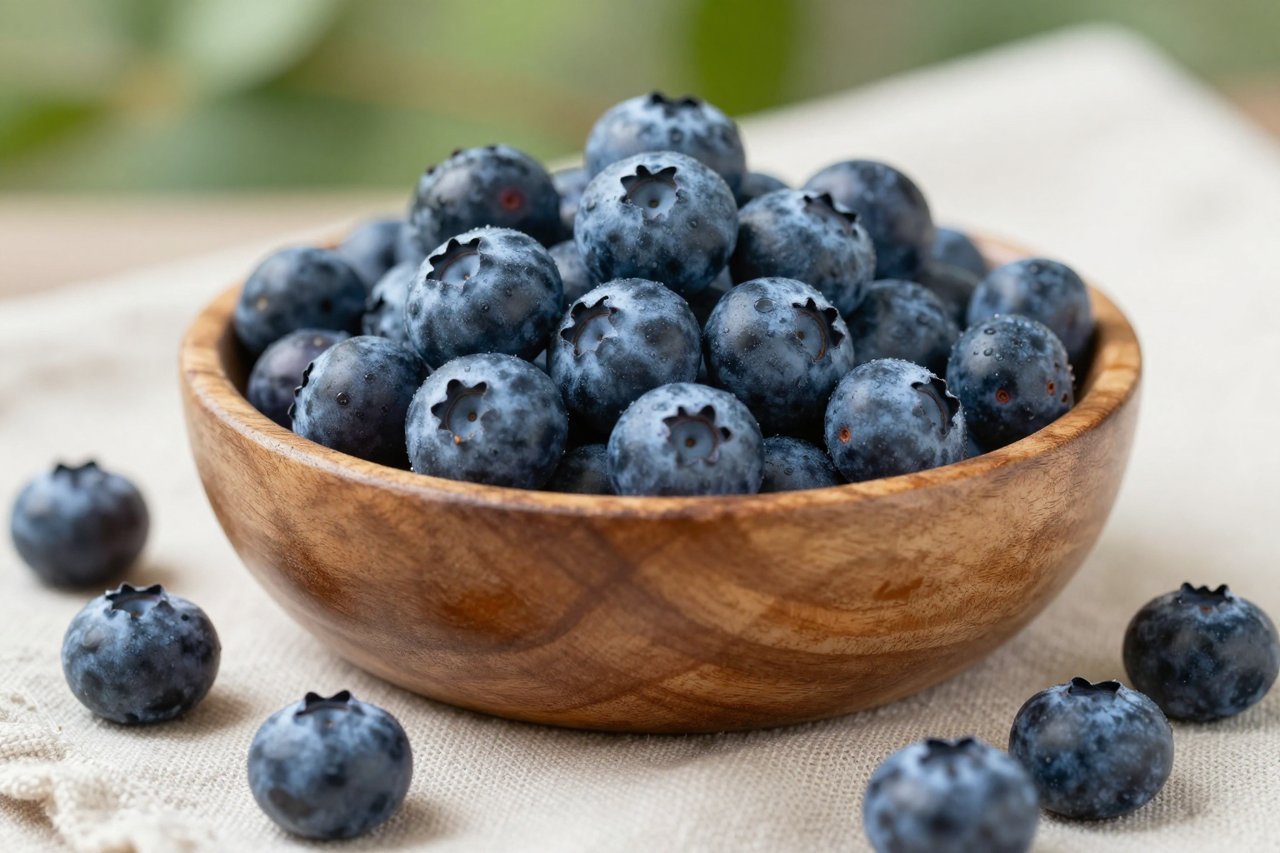
When you bite into a fresh, plump blueberry, it’s easy to underestimate what’s inside. These little blue spheres are packed with more than just sweet-tart flavor — they’re loaded with vitamins, fiber, and a group of antioxidants that have made them a staple in health research for decades. While other fruits get their moment in the sun, blueberries have quietly built a reputation as one of the most consistently beneficial foods you can eat.
In this post, we’ll look at what blueberries actually do in your body, why those deep blue pigments matter, and how to work more of them into your meals without overthinking it.
What’s Actually in a Blueberry?
A single cup of raw blueberries (about 148 grams) delivers only 84 calories, yet it supplies roughly 24% of your daily vitamin C, 36% of vitamin K, and 25% of manganese. You also get around 3.6 grams of fiber, which is impressive for a fruit that tastes like dessert.
But the real story is in the pigments. Blueberries get their deep blue–purple color from anthocyanins, a type of flavonoid antioxidant. Unlike some nutrients that degrade quickly, anthocyanins have been shown to survive digestion in meaningful amounts, meaning your cells actually get to use them.
That antioxidant activity is what separates blueberries from, say, a banana or an apple in terms of health research. It’s also why you’ll see blueberries measuring extremely high on the ORAC scale, which ranks foods by their ability to neutralize free radicals.
The Antioxidant Advantage of Anthocyanins
Every day, your body produces free radicals — unstable molecules that can damage cells and contribute to aging and chronic disease. Antioxidants are like tiny repair crews that step in and neutralize them. Blueberries are one of the most concentrated sources of these helpers.
According to a widely cited study from the USDA, blueberries have one of the highest antioxidant capacities of any common fruit, even higher than strawberries, raspberries, and most other berries. The anthocyanins in blueberries are also unique because they appear to be especially good at protecting cell membranes and supporting the body’s own antioxidant enzymes.
This doesn’t mean blueberries are a magic shield against every health issue, but it does explain why they keep popping up in research on aging, cognition, and inflammation.
Blueberry Benefits for Heart Health
Few fruits have as much cardiovascular research behind them as blueberries. In a 2013 study published in the American Journal of Clinical Nutrition, women who ate at least three servings of blueberries and strawberries per week had a 32% lower risk of heart attack compared to those who ate them less often. The researchers credited the anthocyanins, which have been shown to lower blood pressure, reduce LDL (bad) cholesterol oxidation, and improve the function of the endothelium — the lining of your blood vessels.
Another study found that eating about two-thirds of a cup of blueberries daily improved blood vessel function in people with metabolic syndrome, a cluster of conditions that increase heart disease risk.
If you want a thorough rundown of all the ways blueberries can support your body, this guide to the 15 blueberry health benefits and uses covers everything from heart health to skin benefits. But when it comes specifically to your cardiovascular system, the evidence is hard to ignore.
Blueberries and Your Brain: Memory and Focus
The anthocyanins in blueberries don’t just help your heart — they also cross the blood-brain barrier, one of the reasons researchers are so interested in their effects on cognition.
A well-known 2008 study from Tufts University gave older adults with mild cognitive impairment blueberry juice every day for 12 weeks. The participants showed significant improvements in memory and even some measures of mood compared to a placebo group.
More recent research from the University of Cincinnati found that consuming a concentrated blueberry supplement improved performance on memory and attention tests in older adults after just 12 weeks. Even younger adults have seen benefits — one study from Connecticut showed that a blueberry drink helped improve reaction times during a demanding mental task.
For a shorter read on why blueberries deserve a spot on your grocery list, check out these five science-backed reasons to eat blueberries every day — it’s a digestible summary of the brain and heart evidence.
Blueberries and Blood Sugar Control
You’d expect a sweet, juicy fruit to spike your blood sugar, but blueberries have a surprisingly low glycemic index of around 53. That puts them in the moderate-to-low range, but their fiber and polyphenols help blunt how quickly sugar enters your bloodstream.
Several small studies have found that eating blueberries alongside a high-carbohydrate meal can reduce the body’s insulin response and improve blood sugar control afterward. One study from 2010 showed that drinking a blueberry smoothie before a starchy meal lowered post-meal blood sugar spikes in individuals with type 2 diabetes.
It’s not a license to eat unlimited quantities — sugar is still sugar — but compared to other fruits and processed snacks, blueberries are a smart choice for anyone keeping an eye on glucose.
Why Blueberries Matter for Your Gut
Your gut microbiome is home to trillions of bacteria that influence everything from digestion to immunity. Blueberries contain two things those bacteria love: soluble fiber and polyphenols.
When you eat blueberries, the undigested polyphenols travel down to your colon, where they’re fermented by beneficial bacteria. This fermentation process produces short-chain fatty acids, which nourish your gut lining and help reduce inflammation.
A study from Louisiana State University found that eating blueberries every day increased the levels of Bifidobacterium, a type of bacteria associated with better digestion and reduced inflammation. So when you look at that second cup of blueberries, it’s not just you eating — it’s your microbiome too.
Blueberries for Skin, Vision, and Recovery
Beyond the headline benefits, blueberries are a solid source of vitamin C, which is essential for collagen production — the protein that keeps your skin firm and your joints cushioned. They also contain lutein and zeaxanthin, two carotenoids that accumulate in the retina and may help filter harmful blue light.
Some athletes eat blueberries after workouts because the antioxidants appear to reduce muscle soreness and speed up recovery. A small study showed that participants who consumed a blueberry smoothie before a long run reported less leg muscle soreness a few days later than those who drank a placebo.
It’s not a recovery supplement in a packet, but it’s a good reason to add a handful to your post-workout routine.
Easy Ways to Eat More Blueberries
You don’t need to blend a complicated smoothie to get the benefits. Here are some simple, low-effort ways to build blueberries into your day:
- Toss them into oatmeal or cold cereal — add frozen berries directly to hot oats and they’ll defrost in a minute.
- Blend into a smoothie — frozen blueberries thicken any smoothie without needing ice.
- Stir into plain Greek yogurt — a few handfuls make it taste like dessert without added sugar.
- Make a quick compote — simmer them with a little water and lemon juice for a sauce that’s great on pancakes or desserts.
- Add them to salads — blueberries pair well with goat cheese, walnuts, and a balsamic vinaigrette.
- Bake them into muffins or breads — just fold them into your batter for a healthier twist.
Fresh or frozen, the nutrient profile is largely the same, so don’t let the produce aisle dictate your budget. Frozen blueberries are often cheaper, harvested at peak ripeness, and available year-round.
The takeaway isn’t that blueberries are a miracle berry. It’s that they’re a simple, affordable, and genuinely delicious food with a long list of ways to help your body function better. Whether you eat a handful on your morning commute or stir them into a dinner sauce, you’re giving your cells what they need to keep up with you.
